
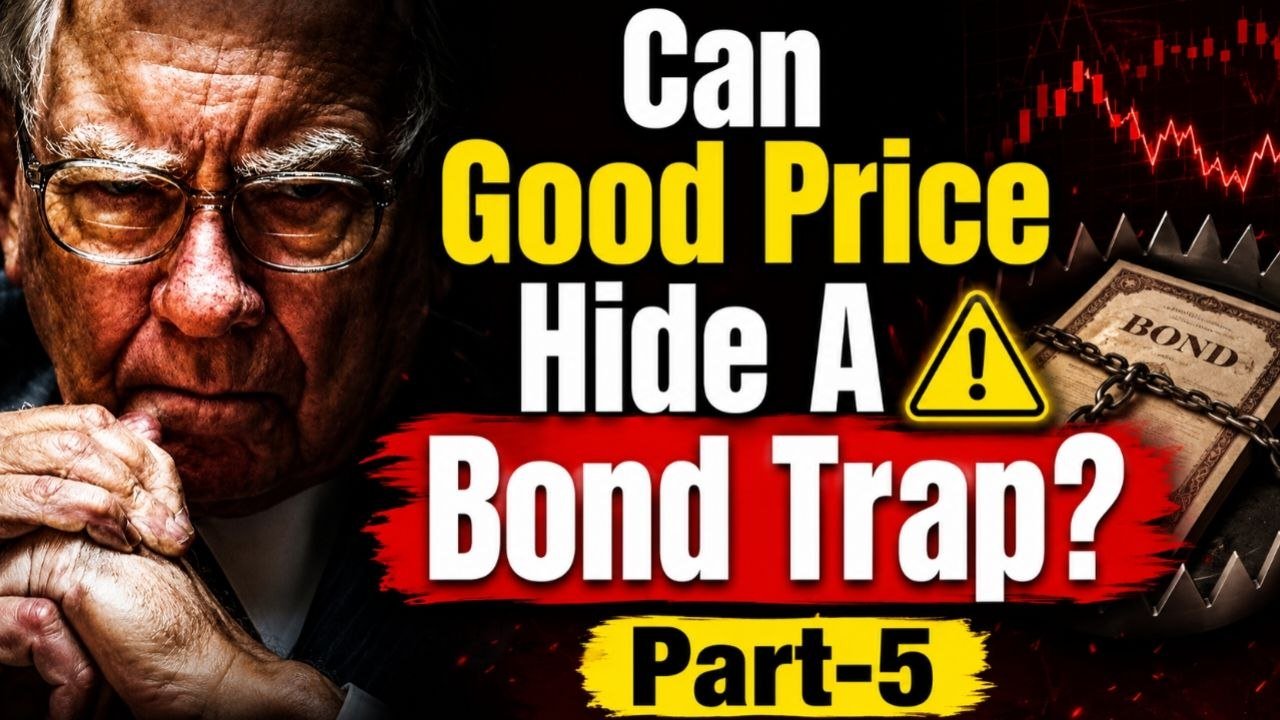
Part 1: The Intelligent Investor Part-5: Convertible Bonds और Good Price का Hidden Trap

Part-4 में हमने देखा था कि earnings कभी-कभी सच नहीं, सिर्फ एक polished कहानी होती हैं। Headline profit चमकता है, लेकिन असली risk footnotes में छिपा रहता है।
Graham ने हमें सिखाया था कि defensive investor को numbers पढ़ने नहीं, numbers पर शक करना सीखना चाहिए। क्योंकि safe stock दिखने और सच में safe होने में फर्क होता है।
लेकिन Part-4 ने आखिरी सवाल छोड़ा था। अगर earnings trap से बच गए, तो क्या कोई ऐसा investment होता है जिसमें bond की safety और stock का upside दोनों मिल जाएं?
Dream Deal या Financial Illusion?
Imagine कीजिए, कोई आपको कहे, पैसा bond की तरह safe रहेगा, interest भी मिलेगा, और अगर company उड़ गई तो stock जैसा profit भी मिलेगा।
सुनने में यह dream deal लगती है। जैसे market ने finally ऐसा रास्ता दे दिया हो जहां downside कम और upside बड़ा हो।
लेकिन Graham ऐसे moments पर सबसे ज्यादा सावधान हो जाते हैं। क्योंकि finance में जब कोई चीज बहुत perfect लगती है, तो अक्सर कहानी का दूसरा पन्ना छिपा होता है।
यहीं Part-5 की mystery शुरू होती है। Convertible bonds सच में smart opportunity हैं, या एक सुंदर packaging में छिपा हुआ compromise?
Convertible Bonds की असलियत और Hidden Costs
Convertible bond एक bond होता है जिसे कुछ conditions पर company के common stock में convert किया जा सकता है। यानी investor के पास दो रास्ते दिखते हैं।
अगर stock नहीं चला, तो bond रखो और interest लो। अगर stock भाग गया, तो उसे shares में बदलकर growth पकड़ो। बाहर से यह बहुत balanced लगता है।
लेकिन यह balance free में नहीं आता। Convertible bond में interest rate अक्सर ordinary bond से कम होता है, क्योंकि conversion option की कीमत आपको वहीं चुकानी पड़ती है।
Part 2: Warrants, Overvalued Giants और Market Risks
दूसरा hidden risk यह है कि convertibles अक्सर वही companies issue करती हैं जिन्हें capital चाहिए, लेकिन straight debt या equity महंगा पड़ रहा होता है।
मतलब company भी smart है। वह investor को sweetener देती है, और बदले में cheaper financing लेती है। सवाल है, sweetener कितना महंगा है?
Graham investor से पूछते हैं, आप bond खरीद रहे हैं, stock खरीद रहे हैं, या बस दोनों नाम सुनकर comfort खरीद रहे हैं?
Warrants का भ्रम और Underlying Business का सच
अगर underlying company कमजोर है, तो bond side भी कमजोर हो सकती है। और अगर stock overpriced है, तो conversion feature सिर्फ illusion बन सकता है।
Warrants भी इसी तरह excitement पैदा करते हैं। वे future में fixed price पर stock खरीदने का right देते हैं, लेकिन right और real value same नहीं होते।
अगर stock price कभी exercise price से ऊपर नहीं गया, तो warrant धीरे-धीरे worthless हो सकता है। यानी सपना paper पर था, payoff reality में नहीं आया।
इसलिए Graham का message clear है। Instrument fancy हो सकता है, लेकिन investor को वही basic सवाल पूछना है, business कैसा है और price कैसा है?
Corporate Growth Trap के 4 खतरनाक चेहरे
अब कहानी companies की तरफ मुड़ती है। Graham हमें चार तरह की situations से सावधान करते हैं, जहां बाहर growth दिखती है, लेकिन अंदर risk फैल रहा होता है।
पहली है overvalued giant company। बड़ी company देखकर लोग safe feel करते हैं, लेकिन giant भी overpriced हो जाए तो investor को protect नहीं करती।
दूसरी है acquisition empire। एक company लगातार दूसरी companies खरीदती जाती है, revenue बढ़ता दिखता है, लेकिन integration और debt का सच छिप सकता है।
तीसरी situation है, छोटी company बड़ी company को takeover कर ले। यह bold move लग सकता है, लेकिन कई बार यह ambition balance sheet से बड़ा हो जाता है।
चौथी है weak company का IPO। Public listing glamour दे सकती है, लेकिन कमजोर business को सिर्फ ticker symbol मिल जाने से strength नहीं मिलती।
Part 3: Lucent Technologies और Acquisitions का कड़वा सच

अब Lucent Technologies की कहानी देखिए। एक समय यह technology दुनिया की सबसे valuable companies में गिनी जाती थी, और investors को भविष्य चमकदार दिखता था।
लेकिन फिर उसने Chromatis Networks को अरबों dollars की deal में खरीद लिया। Problem यह थी कि उस startup के पास meaningful revenue नहीं था।
कर्मचारी कम थे, sales proof कमजोर था, लेकिन valuation sky-high थी। यह सिर्फ acquisition नहीं था, यह market optimism का expensive certificate था।
Growth Story या Financial Disaster?
कुछ समय बाद Chromatis division बंद कर दी गई। यानी जिस growth story को investor ने premium दिया था, वह reality में टिक नहीं पाई।
Lucent की कहानी एक बड़ा lesson देती है। जब company अपनी growth खरीदती है, तो investor को पूछना चाहिए, यह growth cash पैदा करेगी या goodwill लिखवाएगी?Tyco International की कहानी भी इसी zone में आती है। बाहर से यह powerful conglomerate था, acquisitions की machine जैसा दिखता था।
लेकिन जब company बहुत सारी deals करती है, तो numbers समझना मुश्किल हो जाता है। कौन सा profit real है, कौन सा accounting effect, यह धुंधला पड़ सकता है।
Accounting Scandals और Restructuring Charges
Tyco पर later accounting scandal और भारी losses की खबरें आईं। यह वही जगह थी जहां Graham का footnote वाला warning फिर से जिंदा हो गया।
अगर management बहुत complicated structure बना रहा है, लगातार restructuring charges दिखा रहा है, और story हमेशा बदल रही है, तो investor को रुकना चाहिए।
Part-4 में हमने सीखा था कि one-time item repeated हो जाए, तो वह one-time नहीं रहता। Part-5 में वही बात acquisitions पर लागू होती है।
कंपनी अगर हर quarter नया explanation दे रही है, तो शायद business simple नहीं, story management चल रही है।
Part 4: Great Business vs Great Price: Cisco vs Sysco

अब आते हैं Graham के सबसे powerful idea पर। अच्छी stock जैसी कोई चीज नहीं होती, सिर्फ अच्छा stock price होता है।
यह line सुनने में harsh है, क्योंकि हम brands से प्यार कर लेते हैं। हमें लगता है अच्छी company मतलब अच्छा investment।
लेकिन market में यह dangerous shortcut है। क्योंकि great business भी terrible investment बन सकता है, अगर आप उसके लिए absurd price pay करें।
Glamour vs Practicality: Cisco और Sysco की तुलना
Cisco और Sysco की comparison यही दिखाती है। नाम मिलते-जुलते, लेकिन businesses बिल्कुल अलग, और investor psychology उनसे भी ज्यादा अलग।
Cisco internet infrastructure और networking की चमकदार कहानी थी। Dot-com era में उसे future का backbone माना जा रहा था।
दूसरी तरफ Sysco food distribution company थी। Restaurants, kitchens, food supply, daily operations, boring लेकिन real demand वाला business।
अगर investor से पूछा जाता, कौन exciting है, तो Cisco जीतता। लेकिन Graham-style investor excitement नहीं, earning power और price देखता।
Expectations का खेल और Margin of Safety
Cisco की growth में acquisitions का role था, और market ने future को बहुत generous तरीके से price कर दिया था।
Sysco भी acquisitions करती थी, लेकिन उसका business cash और operations से जुड़ा था। Glamour कम था, लेकिन practicality ज्यादा थी।
यहां twist यह है कि boring company कभी-कभी बेहतर investment इसलिए बनती है, क्योंकि market उससे unrealistic expectations नहीं रखता।
जब expectations low हों और business decent हो, investor को margin मिल सकता है। जब expectations sky-high हों, छोटा disappointment भी crash बना सकता है।
Part 5: Investor Mindset और Owner की तरह सोचना
अब Yahoo और Yum की कहानी सोचिए। Yahoo internet age का symbol था, एक ऐसा नाम जिसे सुनते ही future, traffic और digital growth याद आती थी।
Yum Brands pizza, chicken और fast food जैसी ground-level consumer demand से जुड़ा business था। उतना glamorous नहीं, लेकिन खाने की habit technology hype से अलग चलती है।
Short-term contest में Yahoo ने attention जीता। लेकिन investment contest attention से नहीं, durable earnings और paid price से तय होता है।
Story vs Durable Earnings
अगर कोई company seventeen times ज्यादा earnings कर रही है, लेकिन market उसे ignore कर रहा है, तो Graham investor वहीं curiosity लेकर रुकता है।
क्योंकि market अक्सर story को earnings से ज्यादा reward करता है। और यही जगह intelligent investor के लिए opportunity बन सकती है।
CMGI और CGI की comparison भी same human weakness दिखाती है। एक नाम hot internet investing से जुड़ा था, दूसरा ठंडा, boring, ignored business जैसा लगता था।
Hot stock में लोग future खरीदते हैं। Cold stock में लोग past देख कर ऊब जाते हैं। लेकिन कभी-कभी future already overpriced होता है और past underrated।
Real Ownership और Management का Truth
Graham investor crowd की imagination नहीं खरीदता। वह पूछता है, cash कहां है, debt कितना है, management कैसा है, और price क्या मांग रहा है?
यही Part-5 का deeper shift है। अब हम stock को product की तरह नहीं, claim on business की तरह देख रहे हैं।
Shareholder होना सिर्फ price movement देखना नहीं है। आप company के छोटे owner हैं, और company की honesty आपके capital की safety से जुड़ी है।
अगर management shareholders से सच छिपाता है, language को confuse करता है, या weak decisions को optimistic words में cover करता है, तो trust टूटना शुरू हो जाता है।
एक shareholder को annual report पढ़ते समय outsider नहीं, owner की तरह सोचना चाहिए। अगर यह मेरा पूरा business होता, तो क्या मैं ये deal करता?Would I buy a no-revenue company for billions? Would I trust never-ending mergers? Would I ignore repeated charges? यही सवाल filter बनते हैं।
Part 6: Disguised Risk, Price Logic और Next Part की झलक
Risk stock में नहीं, investor के behavior में भी होता है। Same stock किसी के लिए safe हो सकता है, किसी के लिए disaster।
अगर आपने strong business को reasonable price पर खरीदा और patience रखा, risk अलग है। अगर आपने hype में महंगा खरीदा, risk आपके decision में है।
इसलिए Graham कहते हैं, price paid matters. Return सिर्फ company की quality से नहीं, आपकी entry price से भी बनता है।
Price Paid Matters और Time का सच
बहुत लोग कहते हैं, मैं long-term investor हूं। लेकिन अगर purchase price foolish है, तो long-term भी गलती को तुरंत ठीक नहीं कर सकता।
Time powerful है, लेकिन time overvaluation का पूरा इलाज नहीं है। Time good business को compound करता है, bad price को justify नहीं करता।
Convertible bonds, warrants, IPOs, acquisition stories, hot tech names, सबका एक common test है। क्या आप instrument देख रहे हैं या underlying reality?
अगर reality weak है, तो smart structure भी rescue नहीं करेगा। अगर price crazy है, तो great story भी protection नहीं देगी।
Conclusion और Part-6 का Suspense
Part-5 का satisfying payoff यही है। Intelligent investor का काम exciting opportunities पकड़ना नहीं, disguised risk पहचानना है।
Graham हमें सिखाते हैं कि investment में clever होना काफी नहीं। हमें suspicious, patient और price-conscious भी होना पड़ता है।
असली discipline तब दिखती है जब crowd कहे, यह future है, और आप शांत होकर पूछें, future की कीमत कितनी लग चुकी है?
लेकिन अभी कहानी खत्म नहीं हुई। क्योंकि अगर price इतना important है, तो क्या market में सच में ऐसी companies मिलती हैं जो अपने real value से नीचे बिक रही हों?
क्या bargain stock hidden treasure होता है, या कभी-कभी वह टूटे हुए business का warning signal होता है?
Part-6 में Graham हमें margin of safety और bargain issues की गहराई में ले जाएंगे, जहां सस्ता price investor को बचा भी सकता है और फंसा भी सकता है।
Summary Note & Video Callout
एक investment दिखने में safe bond जैसी लगती है, लेकिन अंदर stock जैसा लालच छिपा होता है। सवाल है, क्या convertible bond सच में मौका है या धीरे-धीरे खुलने वाला trap?
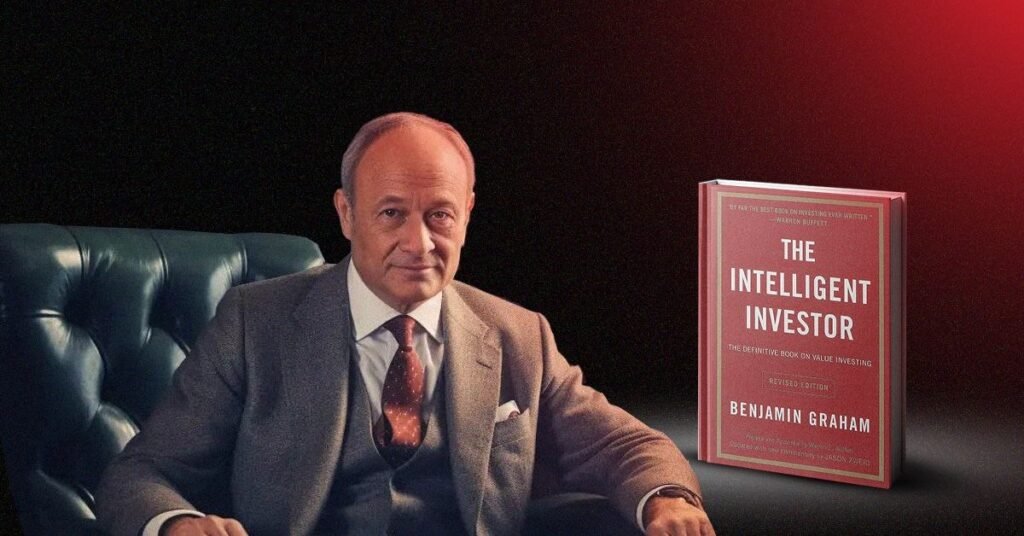
Benjamin Graham कहते हैं, convertible bond में interest भी मिलता है और जरूरत पड़े तो उसे stock में बदला भी जा सकता है। लेकिन कम interest के पीछे hidden condition समझनी पड़ती है।
फिर Lucent Technology जैसी कहानी आती है। कंपनी $193 billion की दिख रही थी, लेकिन उसने बिना revenue वाली Chromatis Networks को $4.8 billion में खरीद लिया।
Tyco International की value $114 billion थी, फिर भी mergers और restructuring में भारी खर्च हुआ। 2002 में उसे $9.4 billion loss झेलना पड़ा।
और यहीं Graham का डर शुरू होता है, stock अच्छा नहीं होता, price अच्छा होता है। तो Cisco, Sysco, Yahoo और Yum में असली winner कौन था? पूरी सच्चाई जानने के लिए discription में दिए लिंक पर क्लिक कर अभी पूरी वीडियो देखें।!
अगर हमारे आर्टिकल ने आपको कुछ नया सिखाया हो, तो इसे शेयर करना न भूलें, ताकि यह महत्वपूर्ण जानकारी और लोगों तक पहुँच सके। आपके सुझाव और सवाल हमारे लिए बेहद अहम हैं, इसलिए उन्हें कमेंट सेक्शन में जरूर साझा करें। आपकी प्रतिक्रियाएं हमें बेहतर बनाने में मदद करती हैं।
GRT Business विभिन्न समाचार एजेंसियों, जनमत और सार्वजनिक स्रोतों से जानकारी लेकर आपके लिए सटीक और सत्यापित कंटेंट प्रस्तुत करने का प्रयास करता है। हालांकि, किसी भी त्रुटि या विवाद के लिए हम जिम्मेदार नहीं हैं। हमारा उद्देश्य आपके ज्ञान को बढ़ाना और आपको सही तथ्यों से अवगत कराना है।
अधिक जानकारी के लिए आप हमारे GRT Business Youtube चैनल पर भी विजिट कर सकते हैं।
धन्यवाद!