
Part 1
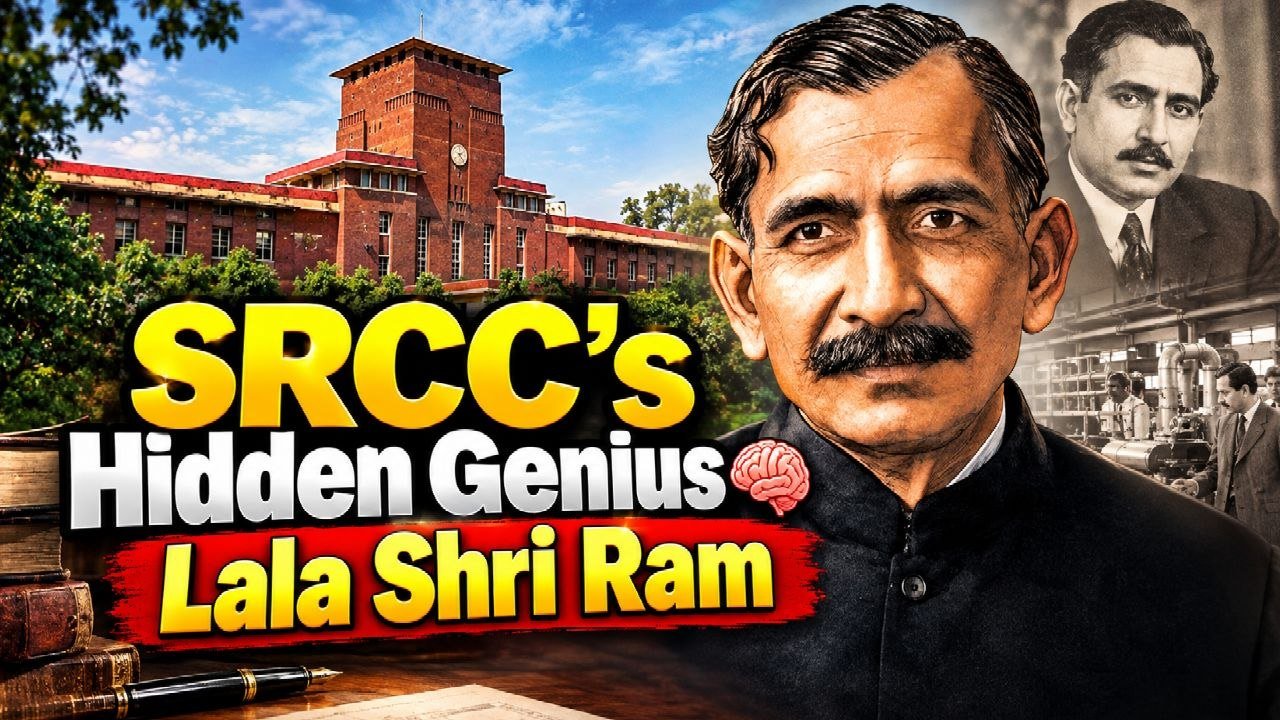
SRCC के पीछे का असली Business Genius: Lala Shri Ram की कहानी।
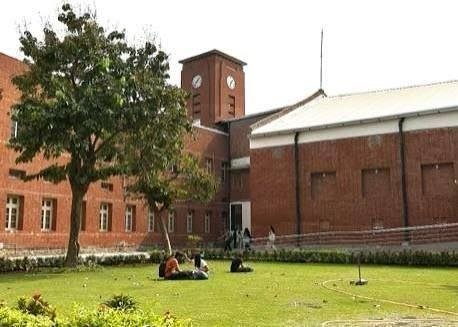
दिल्ली यूनिवर्सिटी के North Campus में जब Shri Ram College of Commerce की centenary celebration चल रही थी, माहौल सिर्फ एक college event जैसा नहीं था। यह 100 साल की legacy का moment था।
Prime Minister Narendra Modi ने students और alumni के बीच Gen Z language में SRCC alumni को “OGs” कहा। और तभी एक पुराना सवाल फिर से fresh हो गया।
यह college इतना बड़ा brand कैसे बना? Commerce पढ़ाने वाला एक institution ऐसा कैसे बन गया कि उसका नाम बोलना ही अपने आप में “flex” माना जाने लगा?
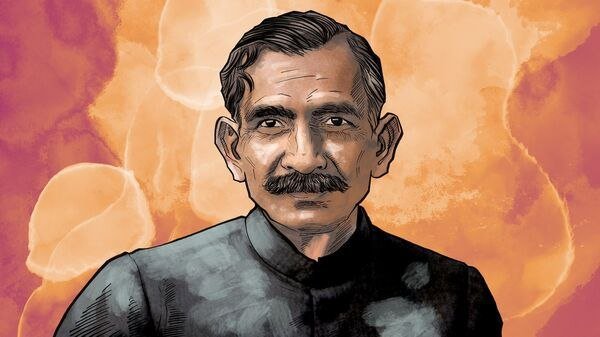
लेकिन असली कहानी campus की buildings से बहुत पहले शुरू होती है। यह कहानी एक ऐसे businessman की है, जिसने सिर्फ factories नहीं बनाईं, बल्कि India के future managers भी तैयार किए। Lala Shri Ram
नाम था Lala Shri Ram। एक industrialist, philanthropist, और ऐसा builder, जिसकी शुरुआत success से नहीं, बल्कि failures से हुई थी।
अब जरा सोचिए, जो इंसान stationery shop और cotton-ginning जैसे शुरुआती business attempts में ठोकर खा चुका हो, वही आगे चलकर DCM empire और SRCC जैसी institution की नींव कैसे रखता है?
यही कहानी interesting है। क्योंकि Lala Shri Ram ने business को सिर्फ profit कमाने का साधन नहीं माना। उनके लिए business thinking, dreaming, imagining और working का पूरा जीवन था। Lala Shri Ram
अगर आपको Indian Business History और ऐसे founders की deep stories पसंद हैं, तो video को Like कर दीजिए और channel Subscribe कर लीजिए। क्योंकि यह कहानी सिर्फ एक college की नहीं, एक सोच की है।
Lala Shri Ram का जन्म 27 April 1884 को Delhi में हुआ। उनका परिवार business background से जुड़ा था, लेकिन उनकी early life कोई polished corporate grooming वाली कहानी नहीं थी। Lala Shri Ram
उन्होंने Bazaar Sita Ram के municipal primary school से पढ़ाई शुरू की। March 1900 में matriculation किया और फिर Hindu College में Intermediate Arts के लिए enrollment लिया।
लेकिन classroom से ज्यादा उन्हें business की दुनिया खींच रही थी। पढ़ाई के बाद उन्होंने कुछ छोटे business attempts किए, पर शुरुआत आसान नहीं रही।
Stationery की दुकान और cotton-ginning factory जैसे experiments उन्हें expected success नहीं दे पाए।
कुछ समय उन्होंने Rawalpindi में एक contractor के यहां munim, यानी accountant, की तरह भी काम किया।
यह phase उनकी कहानी का hidden foundation था। क्योंकि failure ने उन्हें दो चीजें सिखाईं, पैसा कैसे बचता है और ground reality paper planning से अलग क्यों होती है।
DCM में Entry और Ground Level Reality
1909 में, 25 साल की उम्र में, Lala Shri Ram Delhi Cloth and General Mills, यानी DCM, से जुड़े। SRCC की official founder page भी इस milestone को उनके जीवन का बड़ा turn मानती है।
लेकिन DCM में उनकी entry भी कोई dramatic CEO appointment नहीं थी। परिवार की company थी, फिर भी उन्हें शुरुआत में clear salary या grand title वाली comfort नहीं मिली।
यहीं से उनका real training शुरू हुआ। वह सिर्फ office में बैठकर files नहीं देखते थे। वह business को जमीन पर जाकर पढ़ते थे।
सुबह mill gate पर पहुंचना, accounts department में जाना, factory floor देखना, और फिर market में जाकर कपड़ों की दुकानों पर demand पूछना, यह उनका routine बन गया।
आज हम इसे consumer research, market intelligence और operational audit जैसे fancy words में बोलते हैं। लेकिन Lala Shri Ram इसे रोजमर्रा के discipline की तरह करते थे।
First World War और Capital Allocation Magic
वह समझते थे कि balance sheet में जो number दिखता है, उसकी जड़ factory की machine, worker की skill और customer की पसंद में होती है।
Business उनके लिए दूर से देखने की चीज नहीं था। वह उसे छूकर, सुनकर, smell करके और market की आवाज से समझते थे।
फिर आया First World War का दौर। Crisis कई लोगों के लिए डर होता है, लेकिन sharp business minds के लिए वही turning point भी बन सकता है।
DCM को army tents बनाने का बड़ा opportunity मिला। Lala Shri Ram ने अपने पिता को इस direction में convince किया और business ने strong cash generation देखी।
अब यहां सिर्फ contract लेना important नहीं था। असली genius था, उस profit का इस्तेमाल आगे कैसे किया गया।
जब छोटे investors का भरोसा DCM से कमजोर हो रहा था, Lala Shri Ram ने धीरे-धीरे company के shares accumulate करने शुरू किए।
यह कोई noisy takeover नहीं था। यह patience, conviction और capital allocation का खेल था।
उनकी stake time के साथ बढ़ती गई, और परिवार कंपनी में ज्यादा मजबूत position में आने लगा। यह बताता है कि उन्हें business के साथ finance की नब्ज भी समझ आती थी।यहां एक बड़ा lesson छिपा है। Great entrepreneurs सिर्फ product नहीं बेचते, वे ownership structure भी समझते हैं।
DCM धीरे-धीरे उनके लिए सिर्फ नौकरी की जगह नहीं रहा। यह वह platform बन गया, जहां से वह North India के industrial map को बदलने वाले थे।
Part 2
National Recognition और Business Diversification
1930 में Lala Shri Ram FICCI के fourth President बने। SRCC page के अनुसार, उस event में Mahatma Gandhi भी उनके साथ मौजूद थे।
यह सिर्फ personal achievement नहीं थी। यह signal था कि Lala Shri Ram अब सिर्फ Delhi के businessman नहीं, national industrial voice बन चुके थे।
1935 में वह Reserve Bank of India के first Central Board of Directors में भी nominated हुए। यानी उनका role factories से बाहर economic institution-building तक पहुंच चुका था।
अब 1930 में उन्होंने business diversification पर जोर दिया। Textiles से आगे DCM sugar, chemicals, vanaspati, electric motors, capacitors और sewing machines जैसे क्षेत्रों में गया।
यह random diversification नहीं था। वह उन products पर focus कर रहे थे, जिन्हें India को खुद बनाना था।
Usha Sewing Machine और Local Adaptability
यहीं Usha sewing machine की कहानी खास हो जाती है। Sewing machine सिर्फ एक product नहीं थी, वह self-reliance और household productivity की symbol बन गई।
कहा जाता है कि उन्होंने engineers को foreign models खोलकर समझने और India के conditions के हिसाब से दोबारा बनाने को कहा।
क्यों? क्योंकि India की धूल, humidity और usage pattern foreign markets से अलग थे। Product को सिर्फ copy नहीं, local reality के हिसाब से adapt करना था।
आज हम इसे localisation बोलते हैं। लेकिन Lala Shri Ram ने यह बहुत पहले समझ लिया था कि Indian consumer के लिए Indian conditions में reliable product बनाना पड़ेगा।
उनकी सोच में manufacturing का मतलब सिर्फ machine लगाना नहीं था। Manufacturing का मतलब था, देश की जरूरत को समझकर durable product देना।
Worker Welfare और Company Culture
लेकिन उनकी सबसे अलग बात workers को लेकर थी। उस दौर में industrial relations अक्सर tough होते थे, फिर भी वह people को business की real asset मानते थे।
उनसे जुड़ी accounts में बताया जाता है कि 1920 में employees के लिए provident fund और 1931 में profit-sharing bonus जैसी initiatives शुरू हुईं।
इसका बड़ा मतलब था। वह समझते थे कि plant उतना ही reliable होगा, जितने reliable और secure उसे चलाने वाले लोग होंगे।
किसी भी factory में machine expensive हो सकती है, लेकिन culture उससे भी expensive होता है। अगर worker का भरोसा टूटे, तो production भी कमजोर होता है।
अब यही philosophy education में भी दिखाई देती है। Lala Shri Ram ने समझ लिया था कि modern India को सिर्फ mills नहीं, trained commercial minds की भी जरूरत है।
Part 3
Commercial Education Trust और SRCC का जन्म
1920 में उन्होंने Commercial Education Trust की स्थापना की। DCM Shriram की website के अनुसार, इसे Rs 2 lakh fund के साथ शुरू किया गया था।
उस समय commerce education कोई mass aspiration नहीं थी। Colonial economy में education अक्सर clerical jobs या limited professions के हिसाब से देखी जाती थी।
लेकिन Lala Shri Ram wanted something deeper। उन्हें ऐसे young Indians चाहिए थे जो accounts, trade, management और economics को practical world से जोड़कर समझें।
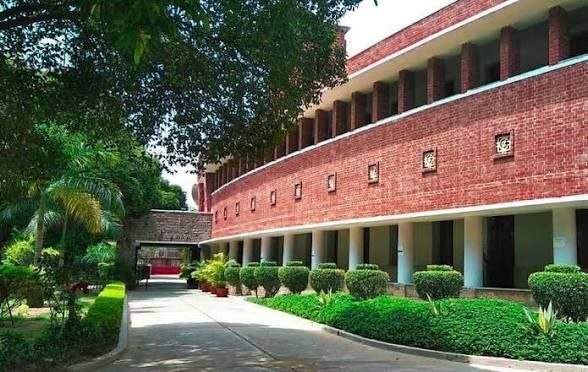
Commercial Education Trust की पहली initiative Commercial High School थी। यही seed बाद में Shri Ram College of Commerce बनने वाली थी।
1926 में यह institution Intermediate College level तक उठा। 1930 में degree college बना और 1934 में post-graduate college के रूप में आगे बढ़ा।
1942 में Lala Shri Ram college की governing body के chairman बने। उनका connection सिर्फ नाम भर का नहीं था, वह institution को direction देने में personally जुड़े रहे।
Commerce Education को Respectability दिलाना
1948 तक Commercial College Delhi University के young colleges में होते हुए भी maximum permitted enrolment तक पहुंच चुका था। Demand खुद बता रही थी कि idea सही था।
Late 1940 में इसे Shri Ram College of Commerce नाम देने का proposal आया। बाद में यह नाम India के commerce education का सबसे बड़ा brand बन गया।
अब यहां समझिए, यह सिर्फ एक college का नाम बदलना नहीं था। यह commerce को एक सम्मानित academic discipline बनाने की journey थी।
Lala Shri Ram ने यह पहले देख लिया था कि India को सिर्फ lawyers और administrators नहीं, business thinkers भी चाहिए होंगे।
अगर देश को industrialise करना है, तो factories के साथ managers, accountants, economists और entrepreneurs भी चाहिए। SRCC इसी vision की product था।
Part 4
Centenary Celebration, LSR और Industrial Research
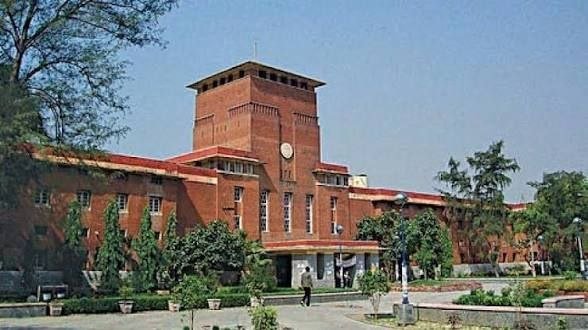
2026 में जब SRCC ने 100 साल पूरे किए, तो Prime Minister Modi ने centenary event में college की legacy को याद किया।
लेकिन PM की speech का सबसे बड़ा symbolic point यही था कि एक institution 100 साल बाद भी relevant है। यह कोई छोटी बात नहीं।
क्योंकि education institutions तभी टिकते हैं, जब founder की सोच building से बड़ी हो। SRCC में वही हुआ।
Lala Shri Ram ने सिर्फ commerce education नहीं बनाई। उन्होंने women’s education को भी priority दी।
1956 में उन्होंने अपनी पत्नी Phoolan Devi की memory में Lady Shri Ram College for Women की स्थापना की। LSR की official history इसे women’s education के बड़े vision से जोड़ती है।
उस समय women’s higher education आज जितनी common नहीं थी। ऐसे माहौल में LSR बनाना एक social statement था।
Legacy and Real Capacity Building
यानी Lala Shri Ram की philanthropy charity जैसी नहीं थी। वह future capacity build कर रही थी, business leaders, women graduates और research minds।
1947 में उन्होंने Shriram Institute for Industrial Research भी शुरू किया। यह India के early independent industrial research institutions में गिना जाता है।
इसका मतलब साफ था। अगर India को आगे जाना है, तो सिर्फ imported technology से काम नहीं चलेगा। Research और innovation की अपनी backbone चाहिए।
यहीं Lala Shri Ram की पूरी philosophy एक frame में आती है। Factory बनाओ, product बनाओ, people build करो, और institutions खड़ी करो।
DCM उनके leadership में textiles से आगे बढ़कर sugar, chemicals, fertilisers और consumer products तक फैल गया। यह Delhi और North India के industrial growth की बड़ी कहानी बनी।
Part 5
Life Lessons from Lala Shri Ram’s Success Journey

लेकिन January 1963 में जब Lala Shri Ram का निधन हुआ, तो वह सिर्फ business empire पीछे छोड़कर नहीं गए।
वह ऐसे institutions छोड़ गए जो आज भी students, entrepreneurs, professionals और women leaders को shape कर रहे हैं।
यह उनकी legacy का सबसे powerful हिस्सा है। Factories बदल सकती हैं, companies split हो सकती हैं, markets बदल सकते हैं, लेकिन institutions generations बनाते रहते हैं।
इस कहानी की सबसे बड़ी contradiction यही है। शुरुआत में जो व्यक्ति failed entrepreneur कहा जा सकता था, वही आगे चलकर Indian industry और education दोनों का institution-builder बना।
आज के startup world में failure को बहुत glamorise किया जाता है। लेकिन Lala Shri Ram की story बताती है कि failure useful तभी है, जब आप उससे operating wisdom निकालते हैं।
उन्होंने सिर्फ ambition नहीं दिखाई। उन्होंने patience, observation और detail पर काम किया।
Mill gate से market shop तक जाने वाला founder ही समझ सकता था कि product कहाँ fail हो रहा है और customer क्या चाहता है।
An Institution-First Mindset
Army tent contract से share accumulation तक जाने वाला businessman ही समझ सकता था कि profit को ownership power में कैसे बदला जाता है।
Usha sewing machine को local conditions के हिसाब से adapt करने वाला industrialist ही समझ सकता था कि Make in India slogan से पहले mindset में आता है।
और SRCC, LSR, research institute बनाने वाला philanthropist ही समझ सकता था कि देश सिर्फ factories से नहीं, trained minds से बनता है।
Balanced view में यह भी सच है कि British-era industry और labour relations अपने आप में complex थे। उस दौर की हर चीज को perfect नहीं कहा जा सकता।
लेकिन अपने समय के हिसाब से Lala Shri Ram का worker welfare, technical education और women’s education पर जोर काफी forward-looking था।
यही वजह है कि उनकी कहानी आज भी relevant है। वह सिर्फ पुराने zamane के industrialist नहीं लगते, बल्कि institution-first entrepreneur लगते हैं।
SRCC की centenary हमें यह याद दिलाती है कि एक founder की सोच कितनी लंबी चल सकती है। वह खुद 1963 में चले गए, लेकिन उनका education model 2026 में भी headline बना रहा।
Part 6
Teaser and Summary Script
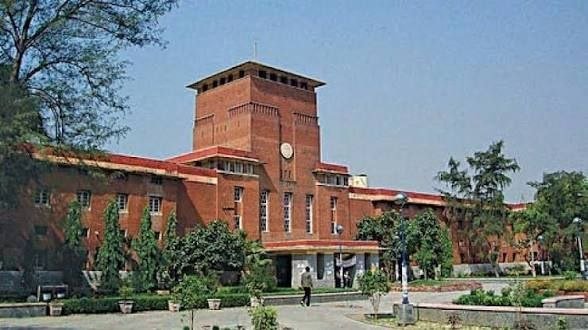
जब PM Modi ने SRCC के students को OG कहा, तो असली सवाल ये उठा… इस top college के पीछे वो businessman कौन था, जिसकी अपनी शुरुआत failure से हुई थी?
लाला श्री राम का जन्म 27 अप्रैल 1884, राम नवमी के दिन हुआ। पढ़ाई साधारण रही, stationerry दुकान और cotton-ginning factory में उन्हें असफलता भी मिली।
फिर 25 साल की उम्र में वे DCM से जुड़े, वो भी बिना किसी खास role और बिना salary के। लेकिन उनका तरीका अलग था, mill gate से लेकर factory floor तक हर चीज खुद देखते थे।
War Time Success and Share Accumulation
पहले World War के दौरान कहानी पलटी। जब British directors आराम में थे, श्री राम छोटे investors से DCM के shares चुपचाप खरीद रहे थे।इसी दौर में army tents का contract आया, profit आया, और परिवार company का सबसे बड़ा shareholder बनने लगा…
फिर इसी सोच से SRCC और LSR जैसी institutions की नींव पड़ी। पूरी सच्चाई जानने के लिए discription में दिए लिंक पर क्लिक कर अभी पूरी वीडियो देखें।!
अगर हमारे आर्टिकल ने आपको कुछ नया सिखाया हो, तो इसे शेयर करना न भूलें, ताकि यह महत्वपूर्ण जानकारी और लोगों तक पहुँच सके। आपके सुझाव और सवाल हमारे लिए बेहद अहम हैं, इसलिए उन्हें कमेंट सेक्शन में जरूर साझा करें। आपकी प्रतिक्रियाएं हमें बेहतर बनाने में मदद करती हैं।
GRT Business विभिन्न समाचार एजेंसियों, जनमत और सार्वजनिक स्रोतों से जानकारी लेकर आपके लिए सटीक और सत्यापित कंटेंट प्रस्तुत करने का प्रयास करता है। हालांकि, किसी भी त्रुटि या विवाद के लिए हम जिम्मेदार नहीं हैं। हमारा उद्देश्य आपके ज्ञान को बढ़ाना और आपको सही तथ्यों से अवगत कराना है।
अधिक जानकारी के लिए आप हमारे GRT Business Youtube चैनल पर भी विजिट कर सकते हैं।
धन्यवाद!