
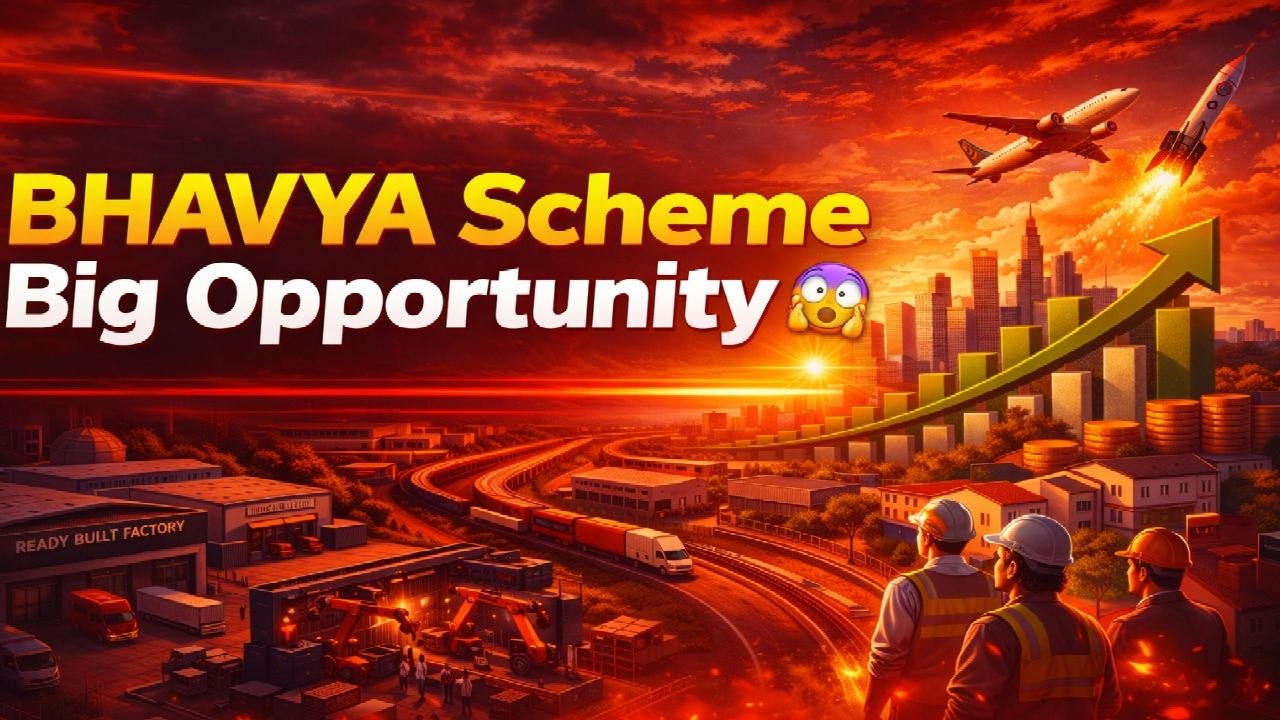
भाग 1: एक उद्यमी का सपना और कागज़ों का पहाड़
रात के दो बजे हैं। एक छोटा उद्यमी अपनी मेज पर फैली फाइलों को घूर रहा है। सामने calculator रखा है, बगल में project report पड़ी है, laptop पर loan eligibility खुली है, और दिमाग में सिर्फ एक सवाल घूम रहा है—क्या भारत में factory लगाना सच में business का सपना है, या paperwork, approvals, land cost और uncertainty का एक लंबा दलदल? वह जानता है कि मशीन खरीदना मुश्किल है, लेकिन उससे भी ज्यादा मुश्किल है जमीन ढूंढना, बिजली का भरोसा लेना, पानी की व्यवस्था करना, approach road देखना, environment clearance समझना, और फिर अलग-अलग दफ्तरों के चक्कर काटना। कई सपने यहीं दम तोड़ देते हैं, production शुरू होने से पहले। यही वह दर्द है जिसने भारत में manufacturing की शुरुआत को कई बार investment challenge से ज्यादा execution challenge बना दिया है। और इसी backdrop में BHAVYA योजना सामने आती है, जो कम-से-कम दावे के स्तर पर यही कहती है कि अगर आप manufacturing करना चाहते हैं, तो आपको शुरुआत से पूरा पहाड़ अकेले नहीं चढ़ना पड़ेगा। यही promise इस scheme को खास बनाता है—यह entrepreneur को सिर्फ plot नहीं, बल्कि एक ready industrial base देने की बात करती है। BHAVYA
भाग 2: BHAVYA योजना क्या है और सरकार क्या बदलना चाहती है
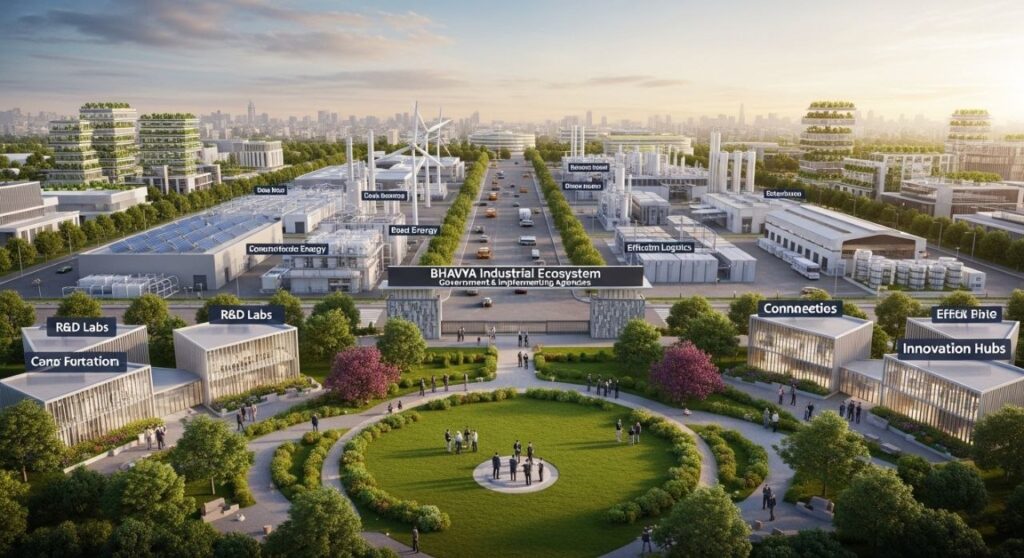
BHAVYA यानी Bharat Audyogik Vikas Yojna कोई छोटी administrative announcement नहीं है। यह एक बड़े industrial push का हिस्सा है, जिसे सरकार ने manufacturing capacity, investment readiness और faster industrial setup के लिए approve किया है। इस scheme का मूल विचार है कि देशभर में 100 plug-and-play industrial parks विकसित किए जाएँ, ताकि factory setup का सबसे कठिन pre-production phase आसान हो सके। सामान्य भाषा में कहें तो entrepreneur को zero se industrial township खड़ी करने की बजाय, एक ऐसे ecosystem में entry मिले जहाँ land, infrastructure, approvals framework और integrated services काफी हद तक पहले से तैयार हों। सरकार का दावा यही है कि “intent to production” की यात्रा speed और certainty के साथ तय हो सके। भारत में अक्सर factory लगाने की सबसे painful stage मशीन खरीदना नहीं, बल्कि machine लगाने लायक ecosystem तैयार करना होता है। title clarity, land conversion, drainage, underground utilities, effluent treatment, logistics, power supply, permissions और compliance—यही वह stage है जहाँ time, money और patience सबसे ज्यादा टूटते हैं। BHAVYA इसी friction को कम करने का promise करती है। यही वजह है कि यह scheme उन entrepreneurs, MSMEs और mid-sized manufacturers के लिए खास तौर पर आकर्षक दिखती है, जो उत्पादन शुरू करना चाहते हैं लेकिन infrastructure complexity से डरते हैं। BHAVYA
भाग 3: Plug-and-Play Model का असली मतलब और इसमें मिलने वाली सुविधाएँ
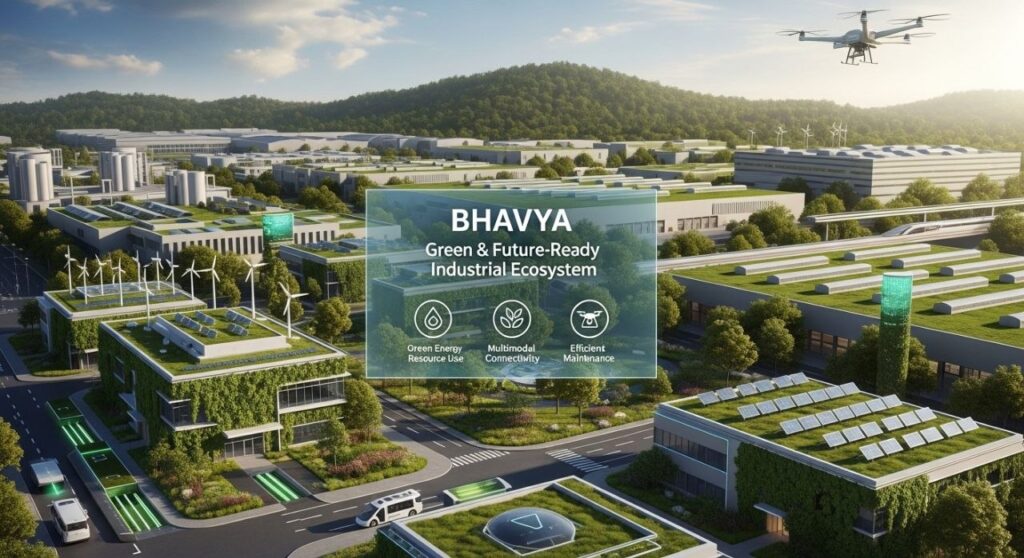
यहाँ “plug-and-play” शब्द को समझना बहुत जरूरी है, क्योंकि पूरी योजना का वजन इसी पर टिका है। Plug-and-play का मतलब यह नहीं कि entrepreneur आएगा और बिना किसी प्रक्रिया के अगले दिन production शुरू कर देगा। इसका असली अर्थ है कि उसे factory setup से पहले की बुनियादी लड़ाई कम लड़नी पड़ेगी। यानी pre-approved land, ready infrastructure, integrated utilities, internal roads, drainage, underground services, common treatment facilities, ICT systems, warehousing support, testing labs, ready-built factory sheds, built-to-suit units और worker amenities जैसी सुविधाएँ park ecosystem के भीतर उपलब्ध कराई जाएँगी। यही उस businessman के लिए सबसे बड़ा फर्क ला सकता है, जिसकी वास्तविक expertise manufacturing, product quality, engineering या processing में है, लेकिन जिसे भारत में factory लगाने से पहले township developer बनना पड़ता था। इस model की खासियत यह है कि entrepreneur का capital non-productive groundwork में कम फँसे और वह अपनी energy production, scale-up और market strategy पर लगा सके। यही वजह है कि BHAVYA को सिर्फ land-allotment scheme की तरह नहीं, बल्कि industrial ecosystem scheme की तरह समझना चाहिए। अगर यह सही ढंग से लागू होती है, तो business owner को internal infrastructure, support utilities और common services खुद खड़ी करने की जरूरत काफी कम हो सकती है। इससे project delays घट सकते हैं, शुरुआती लागत shared infrastructure model में बदल सकती है, और entry barrier खासकर छोटे तथा मध्यम उद्योगों के लिए नीचे आ सकता है। BHAVYA
भाग 4: Scale, Connectivity और Industrial Growth की बड़ी रणनीति
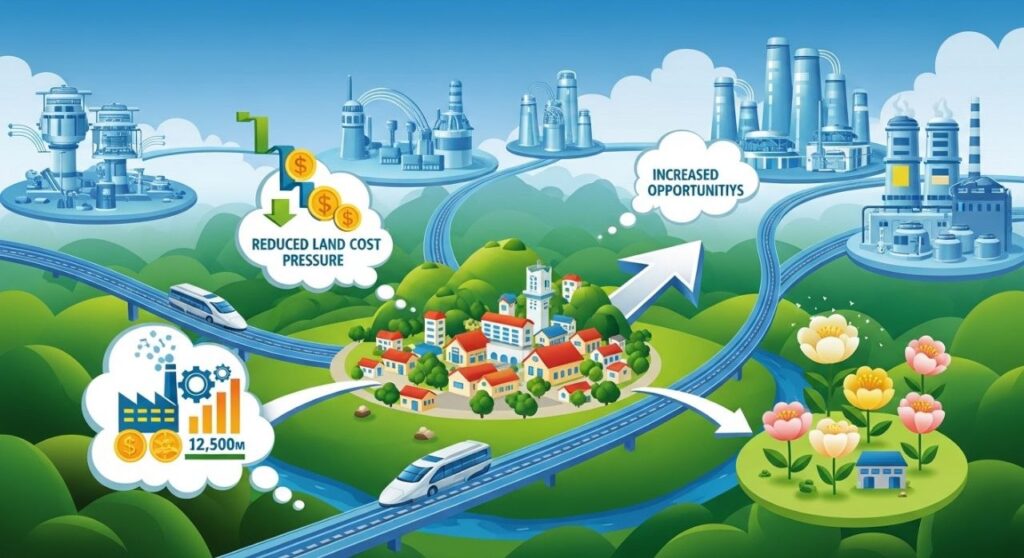
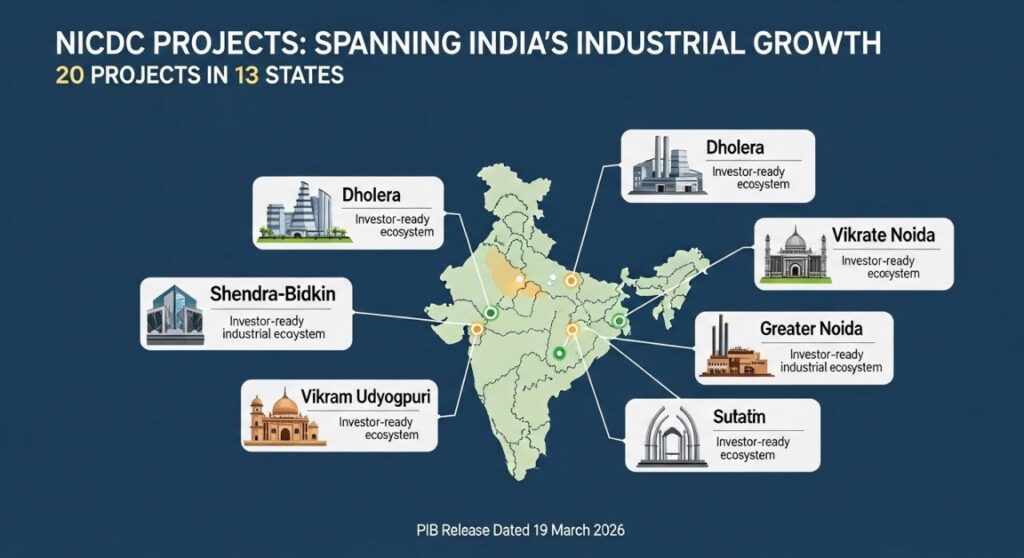
BHAVYA का scale भी छोटा नहीं रखा गया है। योजना के तहत 100 से 1000 acre तक के industrial parks का विचार रखा गया है, यानी यह छोटे-छोटे scattered sheds का मॉडल नहीं, बल्कि planned industrial ecosystems का मॉडल है। इस तरह के parks तभी meaningful बनते हैं जब उनके पास सिर्फ plot न हो, बल्कि connectivity भी हो। Factory सिर्फ इमारत नहीं होती; उसे raw material inflow चाहिए, finished goods dispatch चाहिए, trucks की movement चाहिए, कभी rail link चाहिए, कभी port access चाहिए, और कई बार export ecosystem भी चाहिए। इसलिए इस योजना में external infrastructure support की बात भी महत्वपूर्ण है। अगर industrial park internal roads के साथ-साथ broader transport network से smoothly नहीं जुड़ता, तो उसकी plug-and-play promise अधूरी रह जाती है। यही वजह है कि इस योजना को multimodal connectivity और wider industrial corridor thinking से जोड़ा गया है। इसे broader National Industrial Corridor Development Programme के अनुभव से भी linked बताया गया है, ताकि यह blank-slate promise न लगे, बल्कि existing industrial development capability का extension दिखाई दे। अगर parks सही locations पर, सही logistics support के साथ, और वास्तविक investor demand को ध्यान में रखकर बनाए गए, तो यह scheme tier-2 और tier-3 geographies तक industrialisation का नया रास्ता खोल सकती है। इससे regional employment, local economic activity, warehousing demand, ancillary industries और support services का पूरा chain effect पैदा हो सकता है। यही वह बिंदु है जहाँ BHAVYA सिर्फ factory plot योजना नहीं, बल्कि broader industrial geography reshaping project की तरह दिखने लगती है।
भाग 5: उद्यमियों के लिए असली फायदे—time, cost, compliance और opportunity
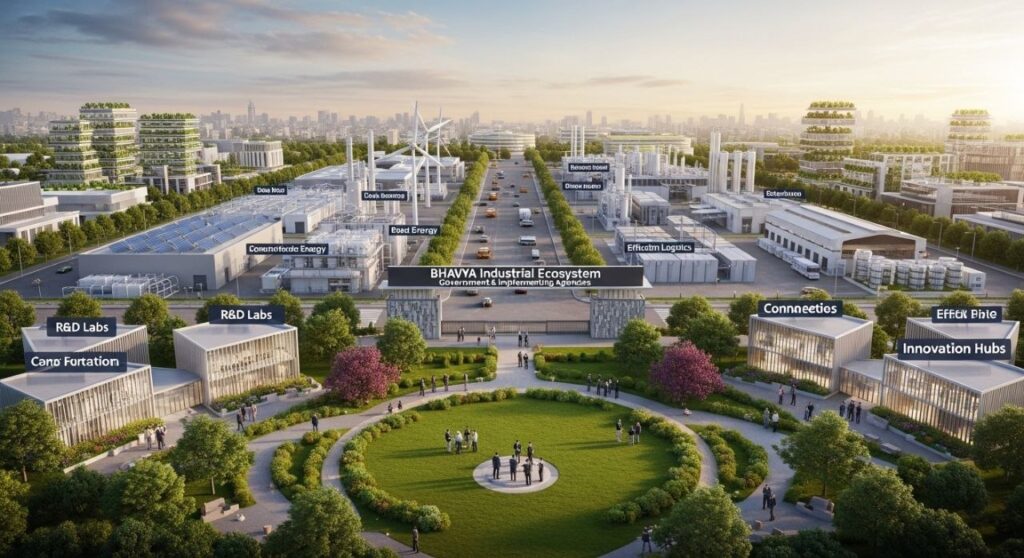
अगर आप entrepreneur की नजर से देखें, तो BHAVYA के सबसे बड़े फायदे चार स्तरों पर दिखते हैं। पहला फायदा time का है। भारत में industry लगाने की सबसे costly चीज कई बार पैसा नहीं, बल्कि delay होती है। interest meter चलता रहता है, market window निकल जाती है, project planning पुरानी हो जाती है, और competitor आगे बढ़ जाता है। अगर pre-approved land, ready utilities और smooth approval mechanism सचमुच काम करते हैं, तो intent से production तक का समय काफी घट सकता है। दूसरा फायदा cost optimisation का है। अभी कई entrepreneurs को internal roads, drainage, utility lines, worker support, warehousing tie-ups, testing support और basic infrastructure पर अलग-अलग खर्च करना पड़ता है। shared infrastructure model इस burden को हल्का कर सकता है। तीसरा फायदा compliance simplicity का हो सकता है, लेकिन यहीं सबसे ज्यादा सावधानी जरूरी है। इसका मतलब यह नहीं कि सारे licences और approvals magically खत्म हो जाएंगे। business-specific registrations, pollution norms, labour requirements, tax compliance और operational permissions project nature पर depend करते रहेंगे। इसलिए इस scheme को total shortcut नहीं, बल्कि friction-reduction model की तरह समझना चाहिए। चौथा फायदा location diversification का है। अगर parks wider geographies में विकसित होते हैं, तो manufacturing activity metro cities से बाहर भी जा सकती है। इससे land cost pressure कम हो सकता है, regional job creation बढ़ सकता है, और छोटे शहरों को भी industrial ecosystem का हिस्सा बनने का मौका मिल सकता है। यही वजह है कि BHAVYA jobs, investment and opportunity at scale जैसी language के साथ present की जा रही है। हाँ, actual impact इस बात पर depend करेगा कि parks कहाँ बनते हैं, कितनी तेजी से तैयार होते हैं, किस sector के investors आते हैं, MSME participation कितनी होती है और occupancy कितनी जल्दी भरती है। फिर भी, scheme की सबसे बड़ी ताकत यही है कि यह entrepreneur के डर—ज़मीन, delay, infra, approvals और uncertainty—को सीधे address करने की कोशिश करती है। BHAVYA
भाग 6: BHAVYA सच में game changer बनेगी या सिर्फ headline बनकर रह जाएगी
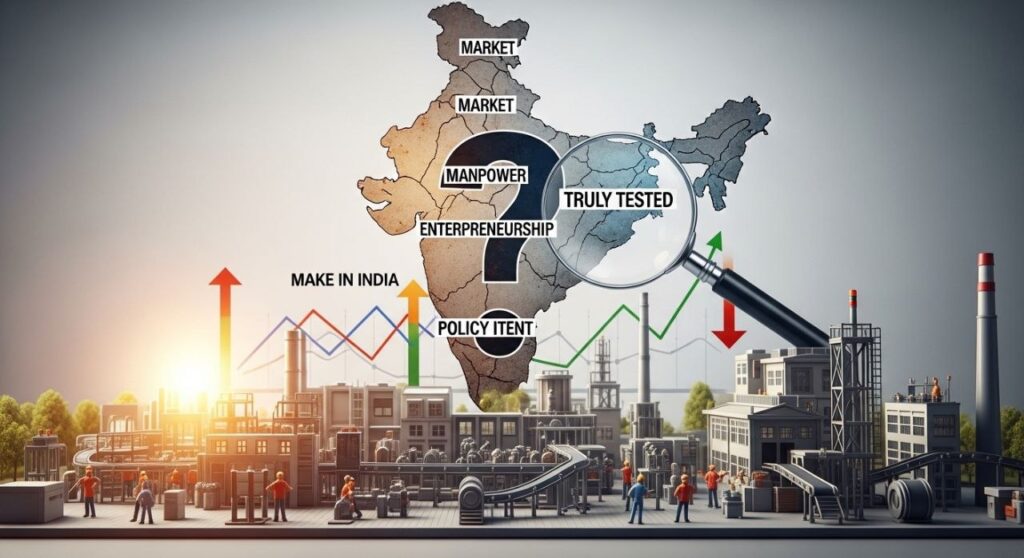
अब सबसे बड़ा और सबसे निर्णायक सवाल यही है—क्या BHAVYA सच में भारत में factory लगाने का तरीका बदल देगी, या यह भी एक ऐसी योजना बनकर रह जाएगी जिसकी announcement बड़ी थी लेकिन ground impact सीमित रहा? यही इस पूरी कहानी का सबसे अहम मोड़ है। क्योंकि policy document में जो चीजें बहुत attractive लगती हैं—plug-and-play parks, pre-approved land, ready infrastructure, single-window systems, common facilities, worker amenities, multimodal integration—उनकी असली credibility execution से आती है। एक entrepreneur के लिए scheme की सफलता इस बात से तय होगी कि उसे वास्तव में कितनी जल्दी allotment मिलता है, park किस location पर बनता है, infrastructure कितनी quality का है, utilities कितनी reliable हैं, approvals कितने smooth हैं, और park ecosystem में actual production कितनी तेजी से शुरू हो पाता है। अगर जमीन तो मिल जाए लेकिन power unstable हो, drainage अधूरी हो, connectivity कमजोर हो, occupancy कम हो, और park paper पर “ready” हो लेकिन field में आधा बना हो, तो entrepreneur की समस्या पूरी तरह खत्म नहीं होगी। इसलिए BHAVYA का असली test brochure language नहीं, on-ground readiness होगी। यहीं एक और महत्वपूर्ण बात आती है—selection और implementation discipline। challenge mode selection सुनने में अच्छा लगता है, क्योंकि इससे theoretically high-quality, reform-oriented और investment-ready proposals आगे आने चाहिए। लेकिन यही process transparency, state-level preparedness और strong monitoring भी माँगता है। अगर selection genuinely competitive हुआ, locations strategically चुनी गईं, और state governments ने execution को seriousness से लिया, तो यह scheme industrial federalism को भी मजबूत कर सकती है। states investor-friendly land readiness, logistics support और faster execution के जरिए industrial parks आकर्षित करने की कोशिश करेंगी, तो इसका broader benefit देश की manufacturing competitiveness को मिल सकता है। लेकिन अगर challenge mode सिर्फ policy phrase बनकर रह गया, तो scheme का confidence factor कमजोर हो सकता है। एक और layer इस योजना की future-readiness से जुड़ी है। आज global manufacturing सिर्फ सस्ती जमीन और labour का खेल नहीं है। अब energy efficiency, water security, sustainability, digital monitoring, testing support, warehousing integration, no-dig utility planning, worker housing और export connectivity जैसी चीजें भी competitiveness तय करती हैं। BHAVYA की language में green energy, sustainable resource use, underground utility corridors और integrated systems जैसी बातें इसलिए महत्वपूर्ण हैं, क्योंकि modern industrial base अब सिर्फ factory shell नहीं, बल्कि full ecosystem होता है। अगर parks इस integrated vision के साथ बने, तो वे केवल local production zones नहीं, बल्कि globally comparable industrial platforms बन सकते हैं। और यही भारत की long-term manufacturing ambition के लिए जरूरी है। BHAVYA
अगर हमारे आर्टिकल ने आपको कुछ नया सिखाया हो, तो इसे शेयर करना न भूलें, ताकि यह महत्वपूर्ण जानकारी और लोगों तक पहुँच सके। आपके सुझाव और सवाल हमारे लिए बेहद अहम हैं, इसलिए उन्हें कमेंट सेक्शन में जरूर साझा करें। आपकी प्रतिक्रियाएं हमें बेहतर बनाने में मदद करती हैं।
GRT Business विभिन्न समाचार एजेंसियों, जनमत और सार्वजनिक स्रोतों से जानकारी लेकर आपके लिए सटीक और सत्यापित कंटेंट प्रस्तुत करने का प्रयास करता है। हालांकि, किसी भी त्रुटि या विवाद के लिए हम जिम्मेदार नहीं हैं। हमारा उद्देश्य आपके ज्ञान को बढ़ाना और आपको सही तथ्यों से अवगत कराना है।
अधिक जानकारी के लिए आप हमारे GRT Business Youtube चैनल पर भी विजिट कर सकते हैं। धन्यवाद!