
Part 1: Industry का Hidden DNA और Foundation

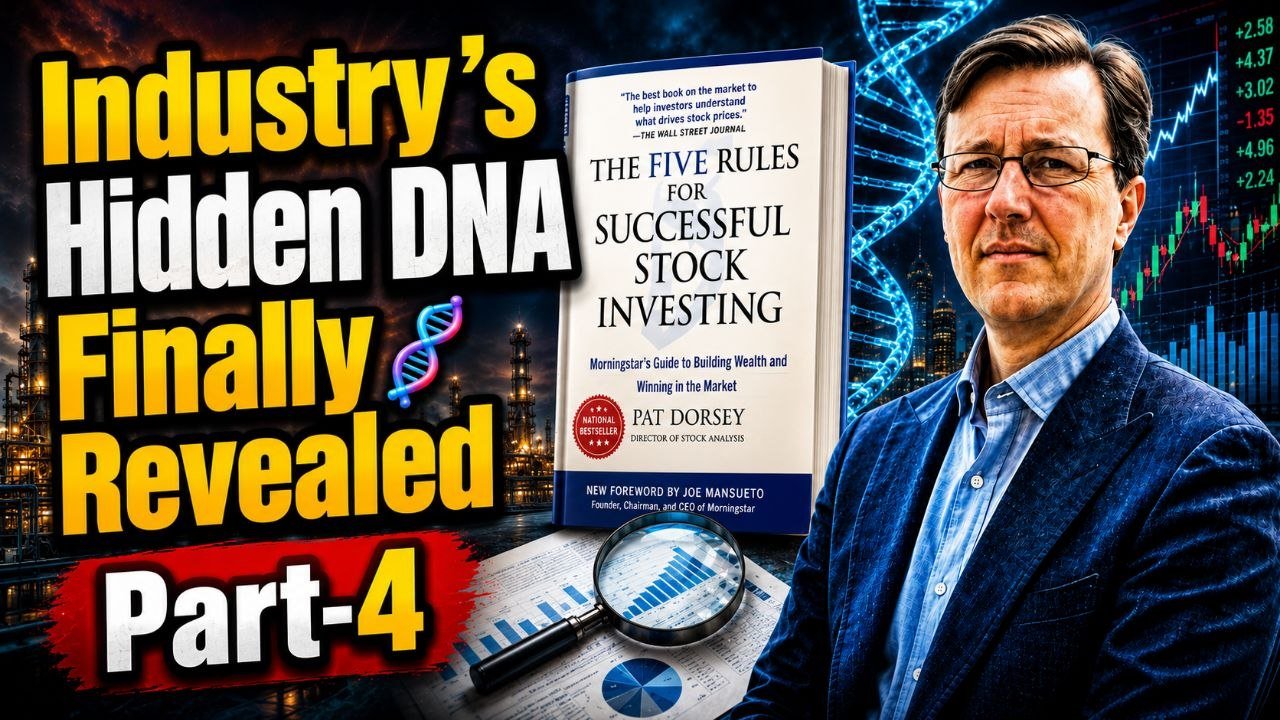
The Five Rules For Successful Stock Investing Part-4: Industry का Hidden DNA।
Part-3 में हमने देखा था कि numbers के पीछे लोग होते हैं, और price के पीछे value होती है। Management honest है या selfish, यह एक अच्छे business को भी बचा या डुबा सकता है।
AMD की case study ने हमें यह भी दिखाया कि cash flow, debt, management pay और intrinsic value को साथ देखकर ही investor picture साफ कर सकता है।
लेकिन Part-3 ने एक और सवाल अधूरा छोड़ा था। अगर हर company अलग है, तो क्या हर industry को same नजर से देखना सबसे बड़ी भूल हो सकती है?
Imagine कीजिए, दो companies हैं। दोनों profit दिखा रही हैं, दोनों के पास growth story है, और दोनों के stocks market में चर्चा में हैं। Industry
Capital Creation vs Capital Consumption
लेकिन एक कंपनी silently wealth बनाती है, दूसरी capital खाती जाती है।
पहली company healthcare device बेचती है, जहां doctors training के बाद product बदलना नहीं चाहते। Industry
दूसरी airline है, जहां fuel price, ticket war और empty seats profit खा सकते हैं।
अब सवाल बदल जाता है। क्या company अच्छी है, यह पूछना काफी नहीं है। असली सवाल है, जिस industry में company खेल रही है, उस game के rules क्या हैं?
Pat Dorsey की सोच यहां बहुत powerful हो जाती है। वह company analysis को industry analysis से जोड़ते हैं, क्योंकि हर sector का अपना hidden DNA होता है।
कहीं patent moat बनता है, कहीं customer trust। कहीं scale advantage देता है, तो कहीं scale के बावजूद profit vanish हो जाता है। यही mystery Part-4 में खुलती है। Industry
Part 2: Healthcare, Pharma और Biotech Sector Analysis

सबसे पहले healthcare को देखिए। यह sector इंसान की जिंदगी से direct जुड़ा है। बीमारी, treatment, medicines और devices की demand सिर्फ trend नहीं, real human need से आती है।
इसी वजह से healthcare companies average से बेहतर returns दे सकती हैं। लेकिन यहीं trap है। Stable demand का मतलब safe investment नहीं होता, और यही बात बहुत लोग miss करते हैं। Industry
Healthcare में economic moat अक्सर patents और high startup costs से बनता है। अगर किसी drug या device पर protection है, तो competitors आसानी से copy नहीं कर सकते।
Patent company को कुछ समय के लिए pricing power दे सकता है। लेकिन यह permanent shield नहीं होता। Patent खत्म होते ही generic competition अचानक profits पर pressure डाल सकता है।
Pharma vs Biotech Dynamics
Pharmaceutical companies बाहर से attractive लगती हैं। एक successful drug अरबों की sales बना सकता है, margins strong हो सकते हैं, और market company को premium valuation दे सकता है। Industry
लेकिन drug बनाना lottery ticket जैसा नहीं, लंबा scientific battle है। Research, trials, approvals और safety checks में सालों लग सकते हैं, और success guaranteed नहीं होती।
कई drugs development stage में ही fail हो जाते हैं। कुछ approval के बाद भी commercial success नहीं बन पाते। यानी lab की उम्मीद market की reality से टकरा सकती है।
Biotechnology startups इससे भी ज्यादा dramatic हो सकते हैं। अगर breakthrough मिला, stock उड़ सकता है। अगर trial fail हुआ, पूरी investment thesis एक दिन में टूट सकती है।
इसलिए biotech में बिना deep understanding invest करना dangerous हो सकता है। Investor को पता होना चाहिए company किस science पर काम कर रही है, cash runway कितना है, और approval risk क्या है।
Medical device industry कई बार pharma से ज्यादा predictable हो सकती है। Doctors और hospitals किसी device ecosystem में train हो जाएं, तो switching cost company के लिए moat बन सकती है। Industry
लेकिन healthcare में government policy को ignore करना गलती होगी। Pricing controls, reimbursement rules, approvals और insurance systems company की earnings को अचानक बदल सकते हैं।
यानी healthcare का lesson simple है। Demand जरूरी हो सकती है, margins high हो सकते हैं, पर science, regulation और patent expiry की clock हमेशा background में चलती रहती है।
Part 3: Consumer Services और Restaurant Industry Economics

अब camera healthcare lab से निकलकर daily life में आता है। Consumer services sector में वही brands दिखते हैं जिन्हें हम रोज देखते, खाते, पहनते और visit करते हैं।
McDonald’s, KFC, Target, Gap जैसे names investor को familiar लगते हैं। और familiar companies में invest करना comfortable लगता है, लेकिन comfort कभी-कभी analysis को कमजोर कर देता है।
यही consumer services का biggest trap है। आप store में भीड़ देखते हैं, product पसंद करते हैं, और मान लेते हैं कि business भी मजबूत होगा। लेकिन अंदर कहानी अलग हो सकती है।Restaurant industry को broadly दो parts में समझा जा सकता है। Quick Service Restaurant, यानी QSR, और Full Service Restaurant, यानी FSR। दोनों खाना बेचते हैं, पर economics अलग है।
QSR में customer counter पर order देता है, payment पहले करता है, और खाना standardized process से मिलता है। Speed, consistency और scale यहां बहुत important होते हैं।
Full Service Restaurant में waiter order लेता है, ambience matter करता है, service quality बदल सकती है, और labor cost ज्यादा sensitive हो जाती है।
Brand Building vs Unit Economics
यानी FSR में experience बड़ा factor है, लेकिन यही experience replicate करना मुश्किल बनाता है। एक location शानदार चल सकती है, दूसरी same magic create नहीं कर पाती।
आज बाहर का खाना popular है, delivery ने habits बदल दी हैं, और convenience बड़ी theme बन चुकी है। लेकिन हर popular food chain long-term winner नहीं बनती।
कई restaurants अपने peak पर बहुत famous होते हैं। फिर taste बदलता है, नए options आते हैं, rent बढ़ता है, और धीरे-धीरे वही brand खाली tables देखने लगता है।
McDonald’s और KFC जैसी scale बनाना आसान नहीं है। इनके पास brand, supply chain, franchise system और process discipline है, जिसे new chains जल्दी copy नहीं कर पातीं।
Consumer services companies तेज grow कर सकती हैं, लेकिन durability weak हो सकती है। Opening new stores growth दिखाता है, पर real question है, पुराने stores मजबूत हैं या नहीं?
Investor को उन companies को ढूंढना चाहिए जिन्होंने consumer trust जीता हो। Trust का मतलब सिर्फ popularity नहीं, repeat purchase, pricing power और habit formation है।
Competitors से comparison यहां बहुत जरूरी है। Same-store sales, margins, store economics और customer loyalty देखकर पता चलता है कि growth सच में healthy है या सिर्फ expansion की चमक।
एक full restaurant भी poor investment हो सकता है। अगर rent, wages, food cost और discounting profit खा रहे हैं, तो भीड़ देखकर investor गलत signal पकड़ सकता है।
कई chains fast expansion में गलती करती हैं। पहले कुछ stores profitable होते हैं, फिर management aggressively नए locations खोलता है, और growth के पीछे unit economics कमजोर होने लगती है।
Part 4: Business Services, Tech, People और Hard Asset Businesses

अब business services की दुनिया में चलते हैं। यह sector उतना glamorous नहीं दिखता, लेकिन companies और economy के पीछे ये services quietly काम करती रहती हैं।
Waste management, advertising, data processing, consulting और airlines जैसे businesses इसी बड़े universe में आते हैं। लेकिन इन सबको एक जैसी नजर से देखना गलत होगा।
Dorsey business services को तीन categories में देखते हैं। Technology-based, people-based और hard asset-based। यह classification investor को जल्दी समझाता है कि value कहां बन सकती है।
Technology-based companies में data processors और database providers आते हैं। इनके पास scale, software infrastructure और customer switching cost जैसी advantages हो सकती हैं।
जब कोई business अपने operations में किसी data provider पर depend हो जाता है, तो उसे बदलना painful हो सकता है। यही pain company के लिए pricing power बन सकता है।
अगर ऐसी technology-based company temporary fear के कारण cheap मिलती है, तो opportunity बन सकती है। लेकिन investor को cash flow और growth quality फिर भी verify करनी होगी।
People-based companies अलग होती हैं। Consultants, advisors और agencies में real asset अक्सर लोग होते हैं। और यही asset रोज शाम office से बाहर चला जाता है।
Hard Asset Businesses vs Service Models
अगर top talent company छोड़ दे, clients भी साथ जा सकते हैं। इसलिए people-based firms attractive दिख सकती हैं, लेकिन उनका moat अक्सर technology firms जितना मजबूत नहीं होता।
फिर भी कुछ advisory businesses strong brands, client relationships और specialized expertise से value बना सकते हैं। लेकिन investor को देखना होगा कि business system पर चलता है या कुछ star employees पर।
Hard asset-based businesses में airports, airlines, waste management और heavy infrastructure जैसी companies आती हैं। यहां capital investment बड़ी होती है, और mistakes महंगी पड़ती हैं।
Airlines इसका classic example हैं। Demand बहुत दिखती है, planes भरे दिखते हैं, लेकिन industry economics अक्सर tough रहती है। Revenue बड़ा, profit thin और risk constant हो सकता है।
Fuel price, competition, maintenance cost, debt, regulation और economic cycles मिलकर airlines को difficult business बना देते हैं। Ticket बेचने से पहले ही fixed cost भारी खड़ी होती है।Waste management में story थोड़ी अलग हो सकती है। Local scale, routes, permits और infrastructure कुछ companies को advantage दे सकते हैं। लेकिन यहां भी regulation और capital needs important हैं।
इसलिए business services में sector के अंदर sector समझना पड़ता है। सिर्फ यह जानना कि company service देती है, enough नहीं है। Service का type economics बदल देता है।
Investor को पहले category पहचाननी चाहिए, फिर scale और revenue quality देखनी चाहिए। उसके बाद cash flow और realistic growth chances को test करना चाहिए।
अगर management future growth बहुत aggressively दिखा रही है, लेकिन industry mature है, competition tough है और cash flow support नहीं कर रहा, तो stock avoid करना better हो सकता है।
Part 5: Banking Sector Risk, Valuation Framework और Industry Gravity

अब banks की तरफ आते हैं, जहां story और भी tricky हो जाती है। Bank बाहर से simple दिखता है, पैसे लेता है, loan देता है, interest कमाता है।
लेकिन bank का raw material ही पैसा है। और जब business का raw material trust हो, तो small mistake भी बड़ा crisis बना सकती है।
Bank analysis में तीन big risks important हैं। Credit risk, liquidity risk और interest rate risk। इन तीनों को समझे बिना bank stock सिर्फ dividend या P/E से नहीं समझा जा सकता।
Credit risk तब आता है जब borrower loan वापस नहीं कर पाता। Bank ने पैसा दिया, interest income expected थी, लेकिन borrower default कर गया, और profit सीधे चोट खा गया।
Fast loan growth हमेशा good sign नहीं होता। कभी-कभी aggressive lending future bad loans का seed बनती है। आज growth दिखती है, कल provisions earnings खा सकते हैं।
Liquidity risk तब आता है जब bank short-term obligations meet नहीं कर पाता। Balance sheet पर assets हो सकते हैं, लेकिन तुरंत cash available न हो तो panic बढ़ सकता है।
Banking में trust fragile होता है। अगर depositors या lenders confidence खो दें, तो problem सिर्फ accounting की नहीं रहती, survival की हो जाती है।
Valuation Multiples और Industry Context
Interest rate risk तीसरा बड़ा factor है। Interest rates बदलते हैं, तो bonds की value, loan yields, deposit costs और net interest margins पर असर पड़ सकता है।
अगर bank ने rates को गलत तरीके से manage किया, तो earning pressure अचानक दिख सकता है। बाहर से stable business अंदर से rate cycle के साथ vulnerable हो सकता है।
अच्छे banks आमतौर पर stable net income growth, disciplined lending और conservative risk management दिखाते हैं। लेकिन investor को सिर्फ growth नहीं, loan quality भी देखनी होती है।
Management यहां फिर वापस important हो जाता है। एक bank का CEO अगर reckless lending कर रहा है, तो short term में growth दिख सकती है, पर long term में damage छिपता रहता है।
अब Part-3 की valuation learning यहां नए रूप में आती है। Same P/E ratio healthcare, restaurant, airline और bank में same meaning नहीं रखता।
एक high-quality medical device company premium deserve कर सकती है, जबकि same multiple पर airline expensive हो सकती है। Industry economics valuation को context देती है।
यही Part-4 का major turning point है। Investor को universal checklist चाहिए, लेकिन market universal answers नहीं देता। हर industry का profit टिकने का तरीका अलग होता है।
Serious investor पहले पूछता है, यह industry wealth create करती है या capital consume करती है?
Competition कैसा है? Regulation कितना powerful है? Customer loyalty real है या temporary?
Part-4 का payoff यही है। Company analysis तब तक अधूरा है जब तक आप industry की gravity नहीं समझते। कुछ businesses ऊपर उड़ना चाहते हैं, लेकिन industry उन्हें नीचे खींचती रहती है।
Part 6: Summary, Future Traps और Outro

लेकिन कहानी अभी खत्म नहीं हुई। क्योंकि अब भी कई sectors बाकी हैं, जहां moat कभी brand में छिपती है, कभी distribution में, कभी technology में, और कभी balance sheet में।
Part-5 में सवाल और sharp होगा। अगर industry अच्छी है पर company weak है, या industry ugly है पर stock cheap है, तो intelligent investor किस तरफ जाएगा?
क्योंकि stock market में अगला trap यही है। कभी business अच्छा होता है पर price खराब, और कभी price attractive दिखता है लेकिन business अंदर से टूट रहा होता है।
Conclusion और Final Summary
कभी-कभी सबसे familiar sector ही सबसे बड़ा trap बन जाता है। Healthcare, restaurants, banks, airlines, सब रोज दिखते हैं, लेकिन हर दिखने वाला business invest करने लायक नहीं होता।Pat Dorsey कहते हैं, healthcare life से जुड़ा है, इसलिए returns attractive लगते हैं। पर drug companies और biotech startups में success guaranteed नहीं होती, क्योंकि दवा बनाना लंबा और risky process है।
Consumer services में McDonald’s, Target, Gap जैसे नाम दिखते हैं। लेकिन restaurant का craze हमेशा नहीं चलता। कई chains peak के बाद धीरे-धीरे कमजोर पड़ जाती हैं।
Business services में technology based, people based और hard asset based companies आती हैं। Airlines और waste management जैसे businesses में scale जरूरी है, पर cash flow और realistic growth देखे बिना फैसला खतरनाक हो सकता है।
और banks में असली खेल credit, liquidity और interest rate risk से शुरू होता है। कौन सा risk किस company को डुबा सकता है, कहानी यहीं पलटती है। पूरी सच्चाई जानने के लिए discription में दिए लिंक पर क्लिक कर अभी पूरी वीडियो देखें।!
अगर हमारे आर्टिकल ने आपको कुछ नया सिखाया हो, तो इसे शेयर करना न भूलें, ताकि यह महत्वपूर्ण जानकारी और लोगों तक पहुँच सके। आपके सुझाव और सवाल हमारे लिए बेहद अहम हैं, इसलिए उन्हें कमेंट सेक्शन में जरूर साझा करें। आपकी प्रतिक्रियाएं हमें बेहतर बनाने में मदद करती हैं।
GRT Business विभिन्न समाचार एजेंसियों, जनमत और सार्वजनिक स्रोतों से जानकारी लेकर आपके लिए सटीक और सत्यापित कंटेंट प्रस्तुत करने का प्रयास करता है। हालांकि, किसी भी त्रुटि या विवाद के लिए हम जिम्मेदार नहीं हैं। हमारा उद्देश्य आपके ज्ञान को बढ़ाना और आपको सही तथ्यों से अवगत कराना है।
अधिक जानकारी के लिए आप हमारे GRT Business Youtube चैनल पर भी विजिट कर सकते हैं।
धन्यवाद!