

Unacademy: YouTube चैनल से $200M Deal तक की पूरी कहानी
कल्पना कीजिए, एक student रात को phone screen पर free class देख रहा है। उसके घर में expensive coaching की capacity नहीं है, लेकिन internet पर teacher बिल्कुल सामने बैठा लगता है।
यही simple scene कभी India के edtech revolution का सपना था। एक phone, एक educator, एक exam, और लाखों students का भरोसा।
लेकिन कुछ साल बाद वही dream एक बहुत अलग headline में बदलता है: Unacademy अब upGrad के साथ जुड़ चुकी है।
Deal value just over $200 million बताई गई, यानी roughly ₹1,600 crore-plus की range। लेकिन असली shock deal value नहीं, उसके पीछे छुपा valuation gap है।
एक समय Unacademy की peak valuation $3.4 billion तक पहुंची थी। और फिर sale उस peak से 90% से ज्यादा नीचे हुई।
अब सवाल सिर्फ इतना नहीं है कि Unacademy बिकी क्यों। असली सवाल है, India का edtech dream इतना जल्दी boom से reset mode में कैसे आ गया?
वीडियो को Like कर दीजिए और Channel Subscribe कर लीजिए, क्योंकि यह कहानी सिर्फ एक startup की नहीं, पूरे online education market की reality check है।
YouTube से Startup बनने का सफ़र
Unacademy की कहानी किसी fancy corporate office से शुरू नहीं होती। यह शुरू होती है YouTube से, जहां एक young founder ने educational content डालना शुरू किया।
2010 के आसपास Gaurav Munjal ने YouTube पर tutorials upload करने शुरू किए। Forbes India ने भी लिखा कि engineering student रहते हुए उन्होंने computer graphics tutorial upload किया था।
शुरुआत में यह कोई billion-dollar plan नहीं था। लेकिन internet की सबसे बड़ी खूबी यही है कि small experiment भी सही audience मिलते ही movement बन सकता है।
India में competitive exams का pressure बहुत बड़ा था। UPSC, JEE, NEET, GATE और government jobs की तैयारी लाखों families का सपना भी थी और खर्च भी।
हर student Kota, Delhi या बड़े coaching hub नहीं जा सकता था।छोटे शहरों और गांवों में quality teachers तक पहुंच limited थी।
YouTube ने इस gap को तोड़ा। पहली बार student को लगा कि शायद अच्छी पढ़ाई के लिए हमेशा बड़े शहर जाना जरूरी नहीं है।
यहीं से idea बड़ा हुआ। सिर्फ videos क्यों? क्यों न एक ऐसा platform बनाया जाए जहां educators और learners दोनों को structured जगह मिले?
Core Team और EdTech Shockwave

फिर कहानी में Roman Saini आते हैं। Roman की profile अपने आप में viral story जैसी थी: AIIMS, doctor, UPSC, IAS, और फिर civil services छोड़कर education startup।
ऐसे founder का education platform से जुड़ना brand के लिए trust signal था। Students को लगा कि यह सिर्फ content नहीं, serious preparation ecosystem है।
Hemesh Singh ने tech backbone संभाला। क्योंकि online education में teacher जितना जरूरी है, उतना ही जरूरी है smooth app, live classes, payments और scale।
10 December 2015 के आसपास Unacademy को formal platform के रूप में shape मिला। एक YouTube channel अब full edtech company बनने की तरफ बढ़ रहा था।
Unacademy का शुरुआती promise बहुत powerful था: education को democratize करना। यानी अच्छे teachers और serious preparation को हर student तक पहुंचाना।
Free content इसका सबसे बड़ा weapon था। Students पहले free lectures देखते, trust बनता, फिर paid courses और subscriptions की तरफ move करते।
यह model बहुत smart था। Free videos ने attention बनाया, educators ने personality बनाई, और paid platform ने revenue का रास्ता बनाया।
धीरे-धीरे educators खुद celebrity बनने लगे। कई teachers की following ऐसी हो गई कि students platform से ज्यादा teacher के नाम पर जुड़ने लगे।
यह edtech का नया influencer economy moment था। पहले coaching institute brand होता था, अब individual educator भी brand बनने लगा।
Valuation Peak और Market Dynamics
Investors ने इसमें huge market देखा। India में exam prep emotional भी है, recurring भी, और families education पर पैसा खर्च करने को तैयार भी रहती हैं।
फिर आया pandemic। Schools, colleges और coaching centres बंद हुए, और online learning अचानक option नहीं, necessity बन गई।
Lockdown के दौरान edtech companies को वह growth मिली जो normal time में शायद कई साल लेती। हर घर classroom बन गया।
Unacademy ने भी इस wave पर aggressive expansion किया। Live classes, subscriptions, educators, marketing, acquisitions और new categories सब तेजी से बढ़े।
कंपनी ने PrepLadder जैसे medical test-prep platforms और Graphy जैसे creator-focused businesses के साथ अपनी reach बढ़ाने की कोशिश की।
2021 तक startup funding market अपने peak पर था। Growth को profitability से ज्यादा महत्व मिल रहा था, और edtech India का hottest sector था।
इसी phase में Unacademy की valuation $3.44 billion तक पहुंची। लेकिन valuation हमेशा permanent truth नहीं होती। कई बार यह future expectations का price होती है।
और जब future की speed बदलती है, तो valuation भी नीचे आती है। यही बात बाद में Unacademy के साथ हुई।
COVID Boom और Post-Pandemic Reality Check

जब classrooms खुले, तो online-only learning की urgency कम होने लगी। Parents और students फिर hybrid, offline और trusted local coaching options की तरफ लौटे।
Post-pandemic edtech में सबसे बड़ा challenge था retention। जो users emergency में आए थे, वे हमेशा paid subscribers बनकर नहीं रुके।
Marketing cost बढ़ी, discounts बढ़े, educator competition बढ़ा, और acquisition से बनी complexity भी सामने आने लगी।
Competition भी easy नहीं था। Byju’s, Vedantu, Physics Wallah, offline coaching chains और local institutes सब एक ही student wallet के लिए लड़ रहे थे।
Funding winter ने equation बदल दी। अब investors सिर्फ growth नहीं, profitability और cash discipline मांगने लगे।
Unacademy ने cost cuts, restructuring और business focus जैसे steps लिए। यानी कंपनी ने खुद को boom phase से survival-and-efficiency phase में shift करना शुरू किया।
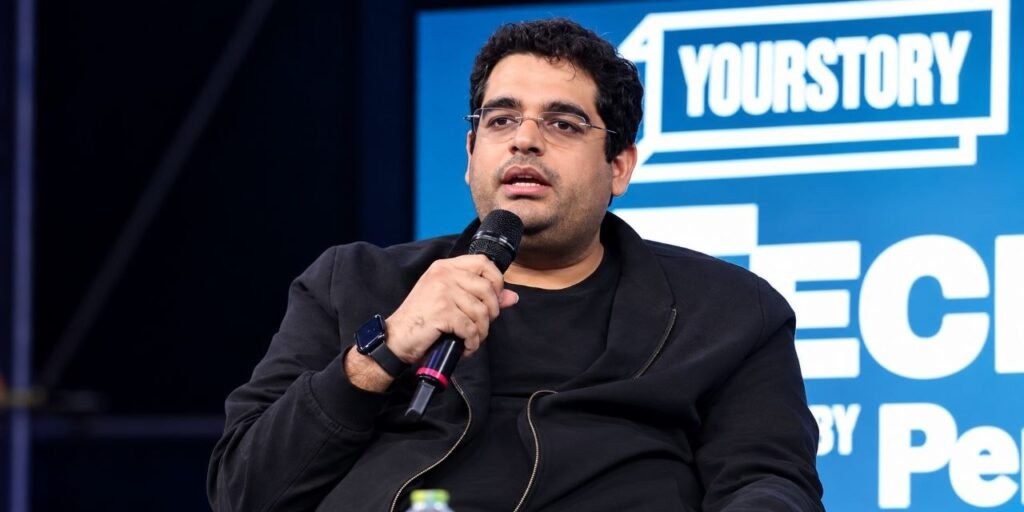
Gaurav Munjal ने अपने post में साफ लिखा कि Unacademy ने peak पर raise किया, लेकिन fraction पर sell किया, और उन्होंने facts को sugarcoat नहीं किया।
Moneycontrol के मुताबिक, transaction September 1, 2026 को close हुई और deal just over $200 million पर complete हुई।
अब यही number सबसे बड़ा contradiction पैदा करता है। $3.44 billion peak valuation से just over $200 million sale, यह सिर्फ discount नहीं, पूरा market reset है।
upGrad Deal और Strategic Consolidation
लेकिन कहानी में twist है। Munjal के मुताबिक Unacademy के पास लगभग ₹900 crore cash था और कई businesses profitable या near-profitable थे।
इसका मतलब यह deal desperation वाली fire sale की तरह present नहीं की गई। कंपनी के पास independent चलने का option था, ऐसा उनका कहना था।
फिर upGrad के साथ जाना क्यों चुना गया? इसका जवाब strategic scale में छिपा है।
TechCrunch के अनुसार deal all-stock थी, जिसमें Unacademy shareholders को upGrad shares मिले, और transaction value करीब $206 million बताई गई।
upGrad पहले से higher education, upskilling, study abroad, certifications और professional learning में strong position बना रहा था।
लेकिन online test prep में Unacademy की पहचान अलग थी। UPSC, JEE, NEET और GATE जैसी categories में इसका brand recall काफी गहरा था।
Financial Express के मुताबिक, deal में PrepLadder, Graphy और Airlearn जैसी Unacademy subsidiaries भी शामिल हैं, और brands अलग-अलग चलाए जाने की बात है।
Report के अनुसार Gaurav Munjal Unacademy को lead करते रहेंगे, जबकि Roman Saini advisory role में move करेंगे।
Business Ecosystem और Integrated Future

यह सिर्फ acquisition नहीं, consolidation है। Edtech sector में कई players समझ चुके हैं कि अकेले एक category से बड़ा public-market-ready business बनाना मुश्किल हो सकता है।
upGrad को test prep मिलता है। Unacademy को larger education ecosystem मिलता है। Investors को standalone markdown के बजाय combined entity में future upside की उम्मीद मिलती है।
Business logic simple है। अगर एक company school से career तक learner को serve कर सके, तो lifetime value बढ़ सकती है।
एक student पहले exam prep करे, फिर college courses, फिर upskilling, फिर career certification। यही integrated education funnel का dream है।
लेकिन यह dream execute करना easy नहीं होगा। क्योंकि education में trust बनाना मुश्किल है और trust खोना बहुत आसान।
Stakeholders पर Impact और Reality Check
Students के लिए impact mixed हो सकता है। अगर platform resources improve करता है, तो content, tech और support बेहतर हो सकते हैं।
लेकिन अगर integration messy हुआ, pricing बदली, या teachers shift हुए, तो students confusion भी feel कर सकते हैं।
Educators के लिए भी यह बड़ा moment है। Unacademy ने educators को celebrity बनाया, लेकिन अब larger corporate structure में incentives बदल सकते हैं।
Employees के लिए deal stability ला सकती है, लेकिन mergers में role duplication और restructuring का risk हमेशा रहता है।
Investors के लिए यह reminder है कि startup valuation paper wealth होती है। Exit price ही असली test होता है।
यहां public के लिए सबसे बड़ा lesson है: हर unicorn permanent winner नहीं होता। कई बार unicorn भी market cycle का product होता है।
Market Influence और Economic Value
लेकिन क्या Unacademy को failure कहना fair होगा? पूरी तरह नहीं।
इसने India में online education की language बदल दी। Free YouTube classes, live educators, subscription learning और exam prep communities को mainstream बनाने में इसका बड़ा role रहा।
Gaurav Munjal ने अपने post में कहा कि Unacademy videos ने YouTube पर 10 billion views cross किए। यह education influence का बहुत बड़ा scale है।
लेकिन influence और economic value capture दो अलग चीजें हैं। आप market बदल सकते हैं, फिर भी उस market का सबसे बड़ा profit capture न कर पाएं।
यही startup world की कठोर सच्चाई है। Mission सही हो सकता है, product useful हो सकता है, लेकिन business model फिर भी pressure में आ सकता है।
COVID ने edtech को rocket दिया, लेकिन reopening ने उसे runway पर वापस ला दिया। अब सिर्फ growth story नहीं, sustainable economics चाहिए।
Final Analysis और Industry Lessons

Unacademy की Airlearn story भी interesting है। Language learning app को global product बनाने की कोशिश दिखाती है कि founders अभी भी education में नया angle खोज रहे हैं।
आने वाले समय में देखने वाली चीज होगी कि upGrad-Unacademy combination students को बेहतर value देता है या सिर्फ balance sheet consolidation बनकर रह जाता है।
अगर merger successful हुआ, तो India में एक बड़ा integrated education company model बन सकता है, जो test prep से upskilling तक learner को पकड़कर रखे।
अगर execution weak रहा, तो यह deal Indian edtech के लिए एक और reminder होगी कि scale खरीदना आसान है, learning outcome बनाना मुश्किल।
अब आप बताइए, Unacademy की sale आपको smart strategic move लगती है या pandemic boom के बाद valuation reality check?
Video Conclusion / Summary
एक साधारण YouTube channel, कुछ education videos, और फिर करीब ₹1,600 करोड़ की deal। Unacademy की कहानी बाहर से dream लगती है, लेकिन असली सवाल है, इतनी बड़ी company अपनी peak valuation से काफी कम पर क्यों बिकी?
2010 में Gaurav Munjal ने YouTube पर graphic designing videos डालने शुरू किए। धीरे-धीरे वही channel competitive exams की पढ़ाई का ठिकाना बन गया, और students का response बढ़ने लगा।
10 दिसंबर 2015 को Unacademy formally शुरू हुई। साथ आए Roman Saini, जिन्होंने 16 साल में AIIMS और 21 साल में UPSC crack किया, फिर 1 साल 8 महीने बाद IAS छोड़ दी।
Hemesh Singh ने tech backbone संभाला, और तीन दोस्तों ने मिलकर online education को बड़ा brand बना दिया। लेकिन फिर edtech market बदलने लगा, और महीनों तक acquisition talks चलीं।
अब UpGrad ने Unacademy को करीब $200 million में खरीद लिया है। Deal हो गई, लेकिन सवाल अभी बाकी है कि यह success story है या Indian edtech का सबसे बड़ा turning point? पूरी सच्चाई जानने के लिए discription में दिए लिंक पर क्लिक कर अभी पूरी वीडियो देखें।!
अगर हमारे आर्टिकल ने आपको कुछ नया सिखाया हो, तो इसे शेयर करना न भूलें, ताकि यह महत्वपूर्ण जानकारी और लोगों तक पहुँच सके। आपके सुझाव और सवाल हमारे लिए बेहद अहम हैं, इसलिए उन्हें कमेंट सेक्शन में जरूर साझा करें। आपकी प्रतिक्रियाएं हमें बेहतर बनाने में मदद करती हैं।
GRT Business विभिन्न समाचार एजेंसियों, जनमत और सार्वजनिक स्रोतों से जानकारी लेकर आपके लिए सटीक और सत्यापित कंटेंट प्रस्तुत करने का प्रयास करता है। हालांकि, किसी भी त्रुटि या विवाद के लिए हम जिम्मेदार नहीं हैं। हमारा उद्देश्य आपके ज्ञान को बढ़ाना और आपको सही तथ्यों से अवगत कराना है।
अधिक जानकारी के लिए आप हमारे GRT Business Youtube चैनल पर भी विजिट कर सकते हैं।
धन्यवाद!