
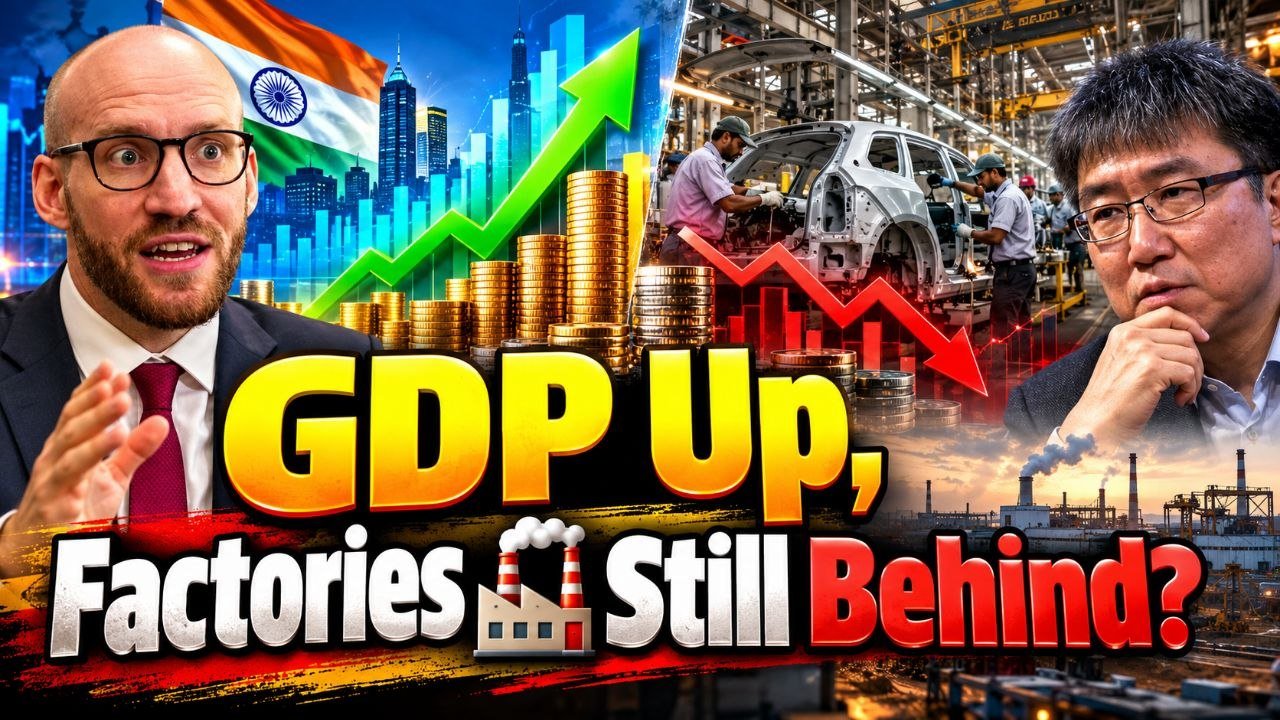
Part 1: GDP की रफ्तार बनाम Manufacturing की जमीनी हकीकत
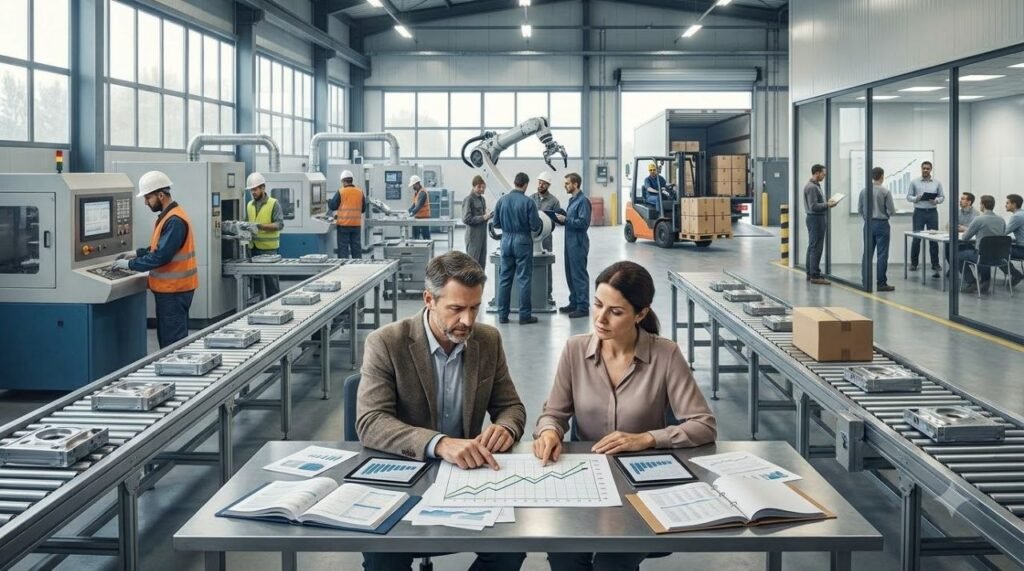
भारत की Manufacturing Mystery: GDP तेज, Factory क्यों पीछे?
कल्पना कीजिए, एक तरफ India की GDP तेजी से बढ़ रही है, stock market नए records छू रहा है, airports, highways और digital payments दुनिया को impress कर रहे हैं।
लेकिन दूसरी तरफ, जब बात आती है दुनिया की factory बनने की, तो भारत अभी भी China, South Korea और Vietnam जैसी manufacturing stories से पीछे दिखता है।
आपके हाथ में smartphone हो सकता है Indian brand का हो, लेकिन उसके अंदर chips, components, display और कई critical parts कहीं और से आए हों।
यही contradiction आज भारत की economy का सबसे बड़ा सवाल बन गया है। Factory
Growth दिख रही है, demand दिख रही है, talent दिख रहा है, फिर भी factory वाला engine पूरी speed क्यों नहीं पकड़ रहा?
GDP का उछाल और Factory Engine की धीमी रफ्तार
क्या कमी policy में है? क्या कमी capital में है? या Indian business class ने हमेशा fast profit को long-term industrial power से ऊपर रखा?
इसी बहस में Cambridge से जुड़े political economist Jostein Hauge और economist Ha-Joon Chang का argument दिलचस्प हो जाता है। उनकी बात simple है, लेकिन uncomfortable भी।
अगर आपको ऐसे Business और Economy explainers पसंद आते हैं, तो video को Like कर दीजिए और Channel Subscribe कर लीजिए, क्योंकि असली कहानी अभी शुरू हो रही है।
अब यहां एक बात समझिए। Manufacturing सिर्फ factory में मशीन चलाने का नाम नहीं है। यह पूरी economy का muscle होता है। Factory
जब कोई देश मजबूत manufacturing base बनाता है, तो उसके साथ suppliers, engineers, machine makers, logistics, design, testing labs और skilled workers का पूरा ecosystem खड़ा होता है।
Services sector भी बहुत जरूरी है, और India ने I T, finance, consulting और digital platforms में बड़ी success दिखाई है। Factory
Services की चमक और Manufacturing Base का ढहना
लेकिन problem तब आती है, जब services चमकती हैं और manufacturing economy की backbone बनने से पहले ही कमजोर पड़ने लगती है।
World Bank data में भारत की manufacturing value added share लंबे समय से लगभग 12 से 15% range में घूमती दिखती है। यानी economy बढ़ी, लेकिन factory share वैसा नहीं उछला।
Part 2: Infant Industry Trap और Protection का असर
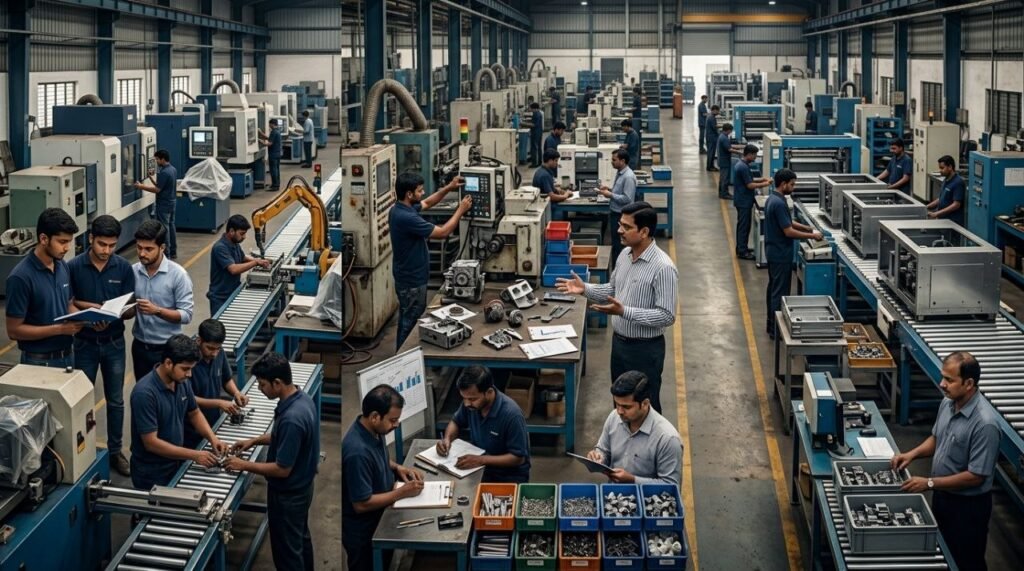
इसका मतलब यह नहीं कि भारत में factories नहीं हैं। मतलब यह है कि manufacturing अभी तक economy को उतना transform नहीं कर पाई, जितना Korea, China या Taiwan में हुआ।
यही वजह है कि Hauge और Chang जैसे economists manufacturing को सिर्फ एक sector नहीं, बल्कि development का accelerator मानते हैं।
Hauge और Chang ने manufacturing बनाम services पर अपने research में argue किया है कि sustained development के लिए internationally competitive manufacturing core बहुत important रहता है।
अब सवाल है, अगर भारत को यह बात पता थी, तो फिर हम पीछे कैसे रह गए?
Chang South Korea का example देते हैं। 1960 में South Korea कोई rich country नहीं था। वह भी गरीबी, कमजोर industry और limited technology से जूझ रहा था।
Support बनाम Performance का दबाव
लेकिन Korea ने अपनी infant industries को सिर्फ बचाया नहीं। उन्हें बड़ा होने, export करने और global competition से लड़ने के लिए discipline भी किया। Factory
यहां protection का मतलब आराम देना नहीं था। Protection का मतलब था training period, जहां company को support भी मिला और performance का pressure भी।
Chang का broader argument यही है कि developing countries को infant industries को nurture करना पड़ता है, लेकिन protection misuse हो सकती है अगर support के साथ discipline न हो।
भारत में कहानी अलग निकली। हमने कई industries को competition से बचाया, लेकिन उन्हें global champions बनाने की प्रक्रिया उतनी मजबूत नहीं रही। Factory
छोटे उद्योगों को protection मिला, reservation मिला, import competition से shield मिला,
लेकिन technology upgrade, scale, export discipline और productivity pressure उतना नहीं बना।
Protection से Preservation का हानिकारक सफर
शुरुआत में यह policy शायद employment और domestic business बचाने के लिए जरूरी लगती थी।
लेकिन जब protection लंबे समय तक बिना performance test के चलता है, तो business survival सीखता है, excellence नहीं।
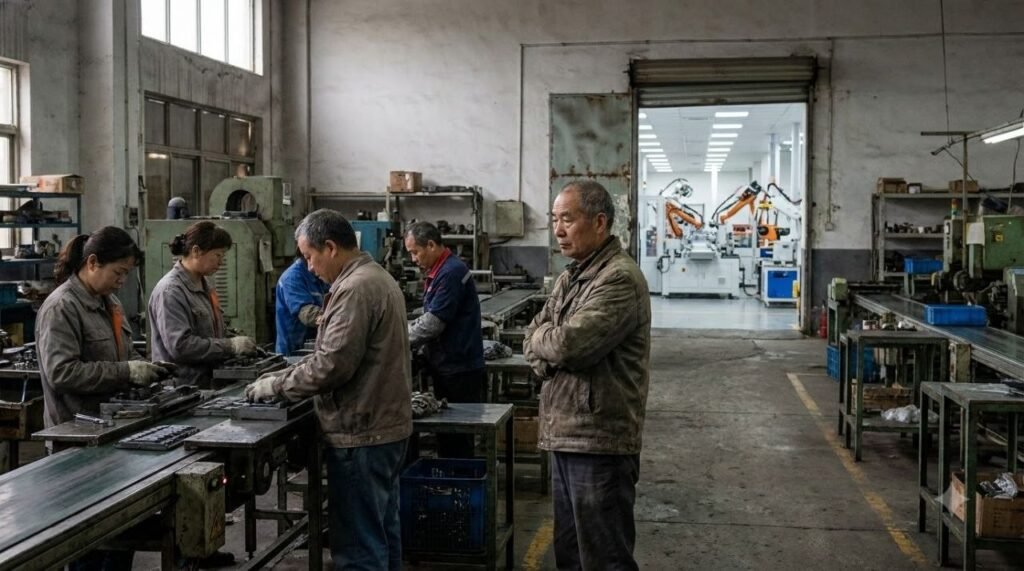
ऐसी firms local market में चलती रहती हैं, पर जैसे ही global player सामने आता है, cost, quality, design और speed में gap दिखने लगता है।
यही वह point है जहां Chang कहते हैं कि भारत ने infant industry protection को infant industry preservation बना दिया। Factory
Part 3: Capital का भटकाव और “Make” vs “Made” की जंग
एक आसान analogy से समझिए। अगर बच्चा चलना सीख रहा है, तो आप उसे पकड़ सकते हैं। लेकिन अगर आप हमेशा पकड़कर ही चलाएँगे, तो वह दौड़ना कैसे सीखेगा?
भारत की manufacturing policy कई बार इसी trap में फंस गई। सुरक्षा दी गई, लेकिन global race के लिए muscles बनाने की मजबूरी कम रही।अब कहानी का दूसरा layer capital से जुड़ा है। Hauge और Chang का सबसे uncomfortable सवाल यही है कि पैसा किस दिशा में जा रहा है?
अगर businessmen को real estate, trading, finance, import-distribution या short-term assets में जल्दी return दिखता है, तो वे 15 साल वाली factory bet क्यों लगाएंगे?
Long-term manufacturing में पहले जमीन, मशीन, engineers, suppliers, training, testing, quality control और R&D पर पैसा लगता है। Factory
Return जल्दी नहीं आता। कभी-कभी पहले 5 से 7 साल सिर्फ learning curve में निकल जाते हैं।
Fast Profit बनाम Long-Term Industrial Bets
यही वजह है कि strong industrial nations ने capital को केवल fast-return opportunities पर नहीं छोड़ा। उन्होंने उसे strategic sectors की तरफ push किया।
अब इसका मतलब यह नहीं कि profit कमाना गलत है। Business बिना profit के नहीं चलता।
लेकिन अगर national industrialization का goal है, तो capital को ऐसे projects में भी जाना होगा जहां return slow है, मगर impact बड़ा है।
Semiconductor fab, advanced batteries, machine tools, robotics, aerospace components, speciality chemicals और precision manufacturing ऐसे ही fields हैं।
इन sectors में पैसा लगाना किसी दुकान की inventory बढ़ाने जैसा नहीं है। यहां patience, talent और repeated failure tolerate करने की क्षमता चाहिए।
Make in India बनाम Made by India का अंतर
अगर capital हर बार short-term return देखकर direction बदल देगा, तो country assembly तक तो पहुंच सकती है, लेकिन deep manufacturing power नहीं बन पाएगी।
यहीं “Make in India” और “Made by India” का फर्क सामने आता है।
Make in India में product भारत में assemble हो सकता है।
लेकिन Made by India तब होगा जब design, technology, components, process knowledge और intellectual property भी भारत के control में आए। Factory
Part 4: License Raj की विरासत और Asian Giants का Model
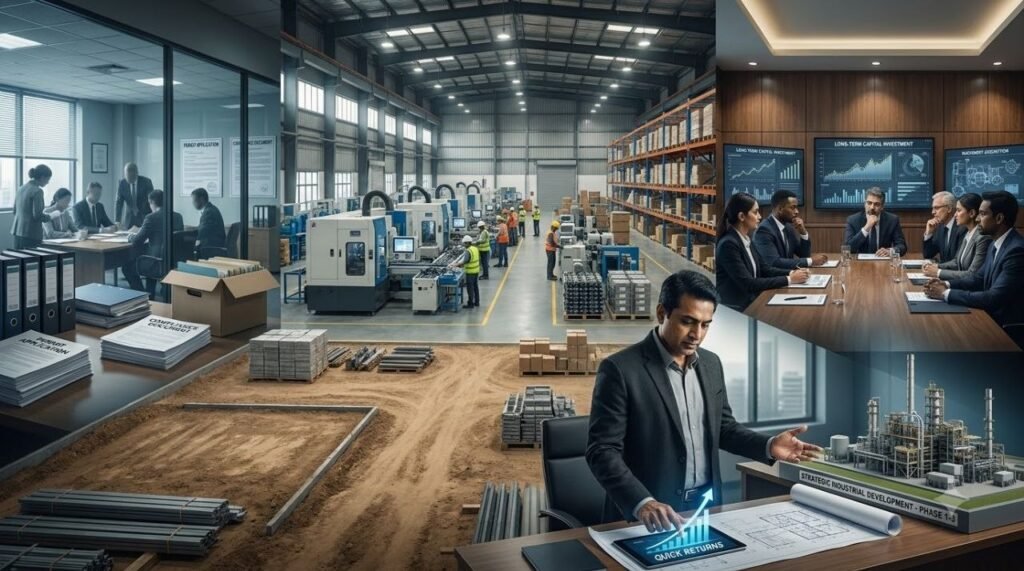
अब fair balance जरूरी है। पूरी गलती सिर्फ Indian businessmen पर डालना भी सही नहीं होगा।
1947 के बाद भारत ने central planning, import substitution, licensing और high tariffs का रास्ता चुना।
उस समय logic था कि foreign competition से domestic industry को बचाया जाए और self-reliance बनाई जाए।
लेकिन License Raj ने कई entrepreneurs को innovation से ज्यादा permission, quota और compliance में उलझा दिया।
Import controls ने foreign dependency कम करने की कोशिश की, लेकिन कई बार advanced machines और technology access भी मुश्किल बना दिया।
High tariffs ने local producers को breathing space दी, मगर consumers को महंगे और कई बार lower-quality products भी खरीदने पड़े।
1991 के बाद की चुनौतियाँ और East Asian Speed
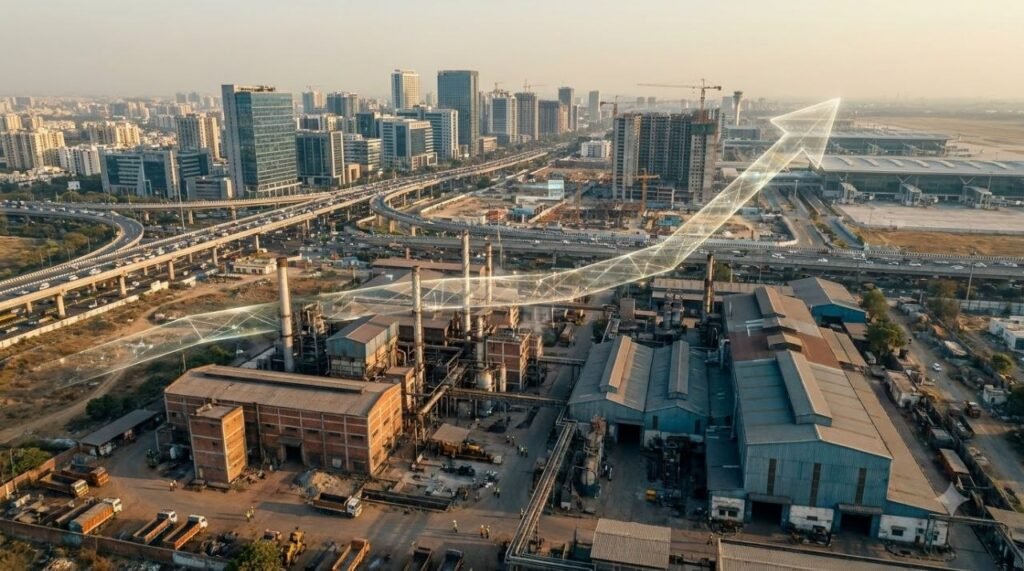
1991 के बाद economy खुली, competition आया, FDI आया, लेकिन तब तक East Asia के कई countries global supply chains में बहुत आगे निकल चुके थे। Factory
China ने इसी period में infrastructure, ports, power, industrial clusters, export zones और massive workforce training पर heavy push किया।
China का model perfect नहीं है। वहां state control, debt, overcapacity और geopolitical tensions जैसी गंभीर problems भी हैं।
लेकिन manufacturing के मामले में उसने एक बात समझ ली थी। Factory अकेली नहीं बनती, factory ecosystem बनता है।
South Korea की अनुशासन आधारित Industrial Policy
South Korea ने भी यही किया, लेकिन अलग तरीके से। वहां government support था, पर private companies को export और technology performance से लगातार judge किया गया। Factory
India के लिए lesson यह नहीं कि China या Korea को copy करो। Lesson यह है कि protection, finance और competition को एक साथ design करना पड़ता है।
अब R&D की तरफ आते हैं, क्योंकि यही भारत की manufacturing weakness को सबसे साफ दिखाता है।
R&D का मतलब सिर्फ lab में scientist बैठाना नहीं है। इसका मतलब है product को बेहतर बनाना, process को सस्ता करना, मशीन को तेज करना और technology को अपना बनाना।
Part 5: R&D की हकीकत और Demographics का सवाल
भारत का GERD, यानी Gross Expenditure on R&D, 2024 में GDP का 0.84% बताया गया है, जो पहले से बेहतर है लेकिन advanced industrial economies से अभी भी कम है।
अब सोचिए, अगर कोई country high-tech manufacturing superpower बनना चाहती है, लेकिन R&D में कम invest करती है, तो वह global technology ladder कैसे चढ़ेगी?
Private sector का R&D share बढ़ना positive signal है, लेकिन असली सवाल scale और direction का है।
क्या यह पैसा truly frontier technology, industrial design, new materials, process automation और indigenous components में जा रहा है?
या फिर बहुत सा innovation branding, software integration और incremental improvement तक सीमित है?
Technology Ownership और Value Chain में बढ़त
Manufacturing में real power तब आती है जब company सिर्फ product बेचती नहीं, बल्कि production knowledge भी own करती है।Human impact भी समझिए। अगर भारत deep manufacturing बनाता है, तो लाखों युवाओं के लिए middle-skill और high-skill jobs बन सकती हैं।
हर कोई coder, banker या consultant नहीं बन सकता।
देश को technicians, machinists, tool designers, welders, electronics engineers और production managers भी चाहिए।
अगर manufacturing weak रहती है, तो India की young population opportunity से ज्यादा pressure बन सकती है।
Service jobs बढ़ेंगी, लेकिन वे हर district, हर skill level और हर education background को absorb नहीं कर पाएंगी।
PLI Schemes, Logistics और Cluster Ecosystem
यही reason है कि government अब PLI schemes, electronics manufacturing, defence production, semiconductor mission और logistics सुधार पर जोर दे रही है।
ये steps important हैं, लेकिन बड़ा सवाल अभी भी वही है। क्या India assembly से आगे बढ़कर technology ownership तक जा पाएगा?
Mobile exports बढ़ना अच्छी खबर है। लेकिन अगर core components import होकर यहां assemble हो रहे हैं, तो value addition limited रह सकता है।
Real upgrade तब होगा जब supplier base, component ecosystem और design capability भी भारत में गहरी बनेगी।
यहीं industrial clusters की जरूरत आती है। एक factory अकेले competitive नहीं बनती।
Part 6: Future of Manufacturing और भारत का अगला कदम
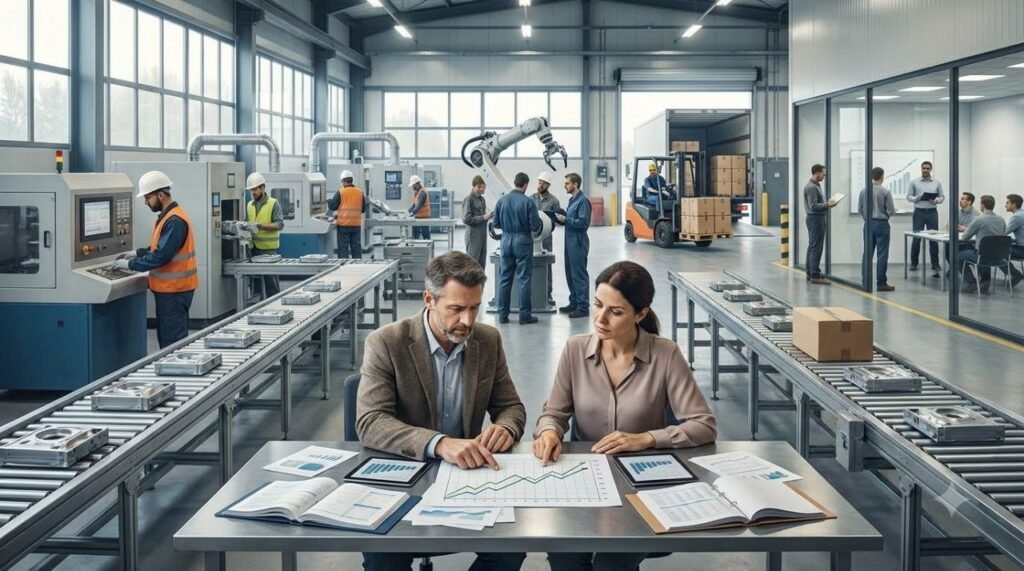
उसे आसपास suppliers, testing labs, skilled workers, transport, reliable electricity, ports, finance और fast approvals चाहिए।
अगर इन चीजों में delay है, तो businessman naturally safer options चुनेगा।
अब दूसरा perspective भी सुनिए। कुछ economists कहते हैं कि future services का है, AI और digital economy manufacturing की importance घटा देंगे।
उनकी बात में दम है, क्योंकि high-value services अब export हो सकती हैं और India ने उसमें strong position बनाई है।
लेकिन counter यह है कि AI भी chips, data centers, sensors, machines, energy hardware और robotics पर चलता है।
Software + Hardware Strategy: सफलता का नया सूत्र
यानी digital future भी physical manufacturing base के बिना अधूरा है।
अगर भारत सिर्फ software mind बनकर रह गया और hardware muscle दूसरों के पास रहा, तो dependency बनी रहेगी।
इसलिए India को services बनाम manufacturing वाली लड़ाई नहीं लड़नी चाहिए। असली strategy दोनों को जोड़ने की है।
Software plus hardware, design plus factory, research plus production, startup plus supplier network।
यही combination भारत को global value chain में ऊपर ले जा सकता है।
अब सबसे बड़ा turning point यही है। भारत के पास market है, youth है, engineers हैं, entrepreneurs हैं और geopolitical moment भी है।
दुनिया China plus one strategy खोज रही है। Companies supply chains diversify करना चाहती हैं।
लेकिन कोई भी company सिर्फ patriotic feeling से factory नहीं लगाती। उसे cost, speed, quality, policy stability और supplier depth चाहिए।
अगर India यह भरोसा दे पाए, तो अगले 10 से 15 साल manufacturing के लिए historic window बन सकते हैं।
अगर नहीं दे पाया, तो India fastest-growing large economy तो रह सकता है, लेकिन manufacturing superpower बनने का सपना अधूरा रह सकता है।
Factory-Building Culture की ओर परिवर्तन
इस पूरी कहानी का payoff यही है कि भारत की समस्या सिर्फ policy नहीं है, सिर्फ पूंजीपति नहीं हैं, सिर्फ bureaucracy नहीं है।
समस्या incentives की पूरी machine में है। पैसा कहां जाता है, protection किसे मिलता है, competition कब आता है, research कौन करता है और accountability कैसे तय होती है।
भारत को factories चाहिए, लेकिन उससे ज्यादा factory-building culture चाहिए।
जहां businessman 3 साल नहीं, 30 साल की industrial bet लगाने को तैयार हो।
जहां government support दे, लेकिन performance मांगना भी न भूले।
जहां protection आराम नहीं, preparation बने।
और जहां GDP growth के साथ manufacturing depth भी बढ़े।
अब सवाल आपके लिए है। क्या भारत को manufacturing superpower बनाने के लिए सबसे पहले government policy बदलनी चाहिए,
या Indian business houses को short-term profit से आगे बढ़कर long-term industrial risk लेना चाहिए?
भारत तेज GDP growth दिखा रहा है, लेकिन सवाल चुभता है—फैक्ट्रियां दुनिया पर राज क्यों नहीं कर रहीं? Cambridge के Jostein Hauge ने इसी गुत्थी पर उंगली रखी है।
उनका कहना है, समस्या सिर्फ policy की नहीं। Ha-Joon Chang के मुताबिक भारत में capital अक्सर short-term return के पीछे भागता रहा।
South Korea ने industries को protection भी दिया और global competition के लिए तैयार भी किया। भारत में कई छोटे उद्योग बच तो गए, लेकिन मजबूत नहीं बन पाए।अब आंकड़ा देखिए—1960 में manufacturing GDP का करीब 14% थी, 2000 में 18%, फिर घटकर 12% के आसपास। R&D खर्च भी 2024 में सिर्फ 0.84% GDP रहा।
यहीं कहानी पलटती है। क्या असली कमजोरी सरकार है, private sector है, या दोनों के बीच missing long-term game? “पूरी सच्चाई जानने के लिए discription में दिए लिंक पर क्लिक कर अभी पूरी वीडियो देखें।!”
अगर हमारे आर्टिकल ने आपको कुछ नया सिखाया हो, तो इसे शेयर करना न भूलें, ताकि यह महत्वपूर्ण जानकारी और लोगों तक पहुँच सके। आपके सुझाव और सवाल हमारे लिए बेहद अहम हैं, इसलिए उन्हें कमेंट सेक्शन में जरूर साझा करें। आपकी प्रतिक्रियाएं हमें बेहतर बनाने में मदद करती हैं।
GRT Business विभिन्न समाचार एजेंसियों, जनमत और सार्वजनिक स्रोतों से जानकारी लेकर आपके लिए सटीक और सत्यापित कंटेंट प्रस्तुत करने का प्रयास करता है। हालांकि, किसी भी त्रुटि या विवाद के लिए हम जिम्मेदार नहीं हैं। हमारा उद्देश्य आपके ज्ञान को बढ़ाना और आपको सही तथ्यों से अवगत कराना है।
अधिक जानकारी के लिए आप हमारे GRT Business Youtube चैनल पर भी विजिट कर सकते हैं।
धन्यवाद!