
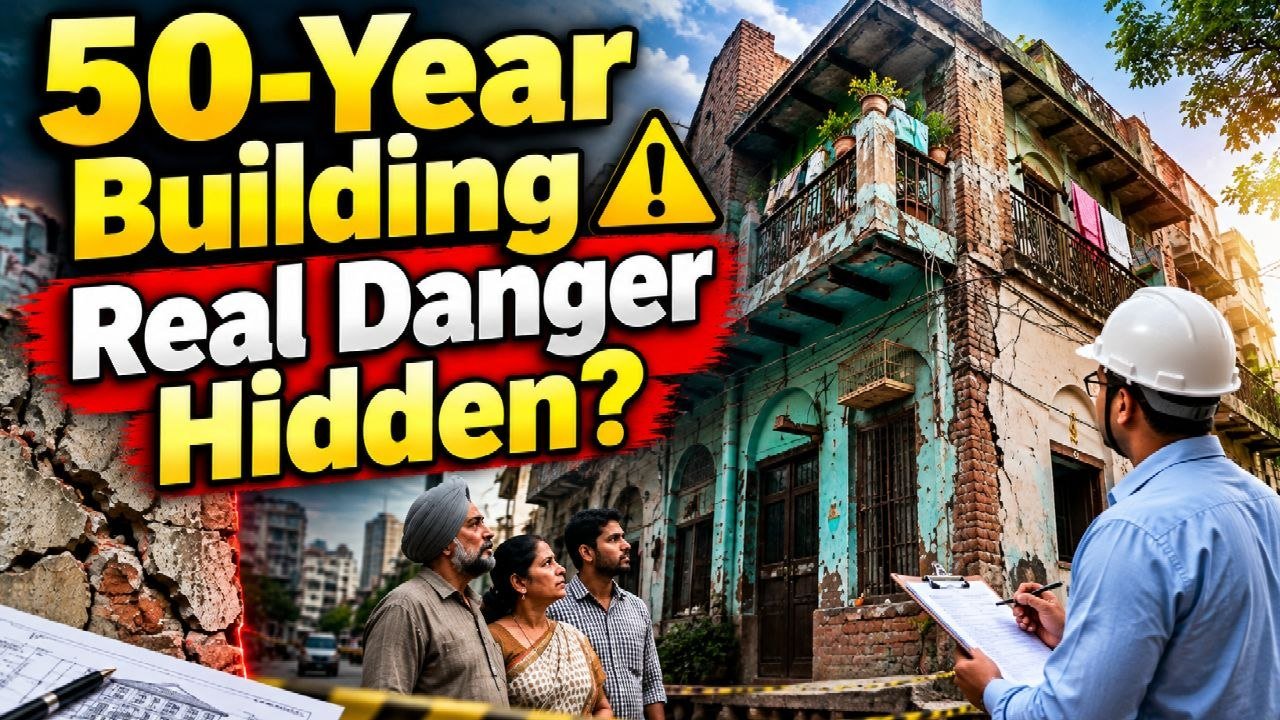
Part 1: Satya Niketan Tragedy and Building Age Misconceptions
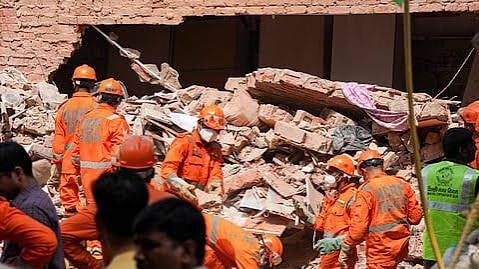
ज़रा imagine कीजिए। एक student अपने PG room में बैठा है, घर से दूर, exams और career की tension में, और अचानक वही building उसके लिए सबसे बड़ा danger बन जाती है।
बाहर से building normal लग सकती है। कमरे भरे हुए हैं, rent आ रहा है, नीचे दुकान चल रही है, ऊपर students रह रहे हैं। लेकिन अंदर से structure चुपचाप कमजोर हो चुका हो, तो warning हमेशा आवाज़ नहीं करती।
Satya Niketan की घटना ने यही डर सामने ला दिया है। सवाल सिर्फ यह नहीं कि building क्यों गिरी। असली सवाल यह है कि दिल्ली की पुरानी buildings में रहने वाले लाखों लोगों को अब क्या समझना चाहिए?
Real Cause of Collapse: Age or Structure?
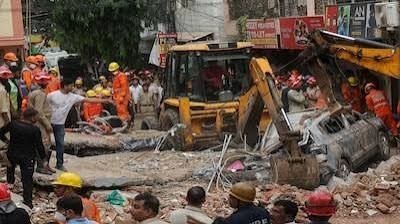
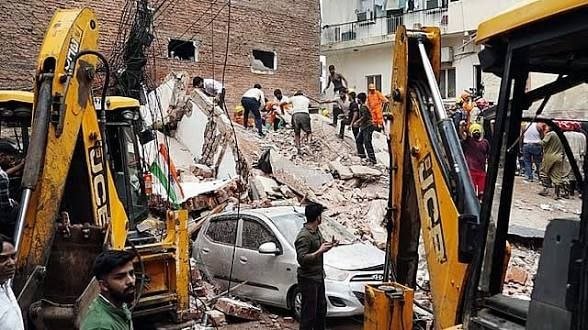
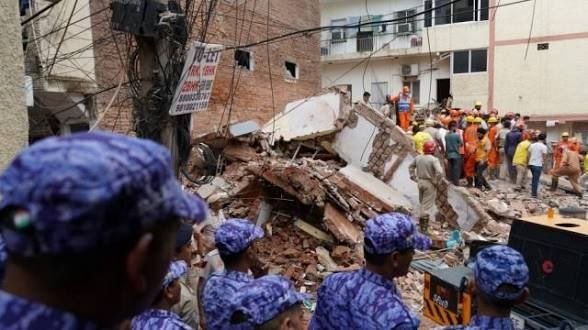
Reports के मुताबिक, South Delhi के Satya Niketan में private hostel वाली multi-storey building गिरने से कम से कम सात लोगों की मौत हुई और कई लोग घायल हुए। हादसे के समय repair/excavation work की भी जांच हो रही है।
लेकिन यहां सबसे बड़ा twist यह है कि Delhi में कोई ऐसा simple rule नहीं है कि 50 साल पुरानी हर building को गिराना ही पड़ेगा।
और यहीं पूरी कहानी बदल जाती है। क्योंकि danger उम्र में नहीं छिपा होता, danger छिपा होता है structure की हालत, maintenance, illegal changes और usage के pressure में।
अगर आपको ऐसी practical, research-based stories पसंद हैं, जहां खबर के पीछे असली मतलब समझ आए, तो video को Like कर दीजिए और channel Subscribe कर लीजिए। अब कहानी को आसान भाषा में खोलते हैं।
Myth vs Reality: Safety Rules in Delhi
दिल्ली में बहुत सारे परिवार पुराने DDA flats, plotted houses, builder floors और पुरानी colonies में रहते हैं। कुछ buildings 40 साल पुरानी हैं, कुछ 60 साल पुरानी, और कुछ उससे भी ज्यादा।
बहुत लोग सोचते हैं कि पुरानी building मतलब dangerous building। लेकिन यह आधा सच है। पुरानी building unsafe हो सकती है, पर सिर्फ पुरानी होने से unsafe साबित नहीं होती।
सबसे पहले बड़ा misconception साफ कर लेते हैं। दिल्ली में ऐसा direct rule नहीं है कि किसी building की age 50 साल होते ही उसे demolish कर दिया जाए।
दिल्ली में rule का focus age पर नहीं, condition पर है। यानी building अभी कैसी हालत में है, उसमें cracks हैं या नहीं, foundation कमजोर है या नहीं, और उसमें क्या-क्या बदलाव हुए हैं।
Human Anatomy of Buildings
लेकिन age बिल्कुल irrelevant भी नहीं है। जैसे इंसान की उम्र बढ़ने पर health checkup जरूरी हो जाता है, वैसे ही building की उम्र बढ़ने पर structural checkup जरूरी हो जाता है।
Building को भी body की तरह समझिए। Foundation उसके पैर हैं, columns उसकी bones हैं, beams उसका balance हैं, और slab उसका भार उठाने वाला frame है।
Satya Niketan जैसे हादसे में basement repair work की बात इसलिए important है, क्योंकि basement building का सबसे sensitive हिस्सा होता है। वहां गलती हुई तो effect ऊपर की मंजिलों तक जा सकता है।
Part 2: Structural Mechanics, PG Load Pressure, and MCD Act
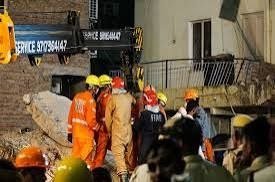
Basement में excavation, pillar cutting, seepage या support हटना ऐसा है जैसे किसी table का एक मजबूत पैर धीरे-धीरे कमजोर करना। ऊपर रखा सामान शुरू में संभलता दिखेगा, फिर अचानक गिर सकता है।
इसलिए renovation हमेशा cosmetic काम नहीं होता। Paint, tiles और false ceiling अलग बात है, लेकिन wall, beam, slab, column या foundation को छूना structural decision है।
Residential Design vs Commercial Heavy Load
अब दूसरा layer देखिए। कई पुराने residential houses धीरे-धीरे PG, hostel या commercial use में बदल जाते हैं। बाहर board नहीं बदला, लेकिन building पर load बदल गया।
PG में rooms बढ़ते हैं, partitions लगते हैं, ज्यादा beds आते हैं, ज्यादा water tanks लगते हैं, ज्यादा electricity load होता है, और fire exit का pressure बढ़ जाता है।
यही वह जगह है जहां old residential design और new commercial-style usage के बीच conflict शुरू होता है।
Building बनी थी एक family के लिए, लेकिन इस्तेमाल होने लगा dozens of occupants के लिए।
Section 348 and Municipal Power
MCD Act की Section 348 इसी तरह की dangerous buildings पर action की power देती है।
अगर building ruinous condition में है, गिरने की संभावना है, या लोगों के लिए dangerous है, तो Commissioner, Delhi Municipal Corporation Act, 1957 के तहत owner या occupier को repair, secure या demolish करने का order दे सकता है।
यहां ध्यान देने वाली बात है। कानून सिर्फ demolition नहीं बोलता। वह तीन possibilities देता है: repair, secure और demolish। Final action danger के level पर depend करता है।
Immediate Danger Eviction Protocols
अगर खतरा immediate है, तो authority building को fence off कर सकती है, secure कर सकती है या जरूरत पड़े तो खुद demolition जैसीइसी Act में Section 349 भी है, जिसमें dangerous condition या fire exit की कमी जैसी situation में building खाली करवाने की power आती है।
यानी rule का logic यह नहीं है कि पुरानी building देखते ही bulldozer भेज दो। Logic यह है कि पहले danger identify करो, फिर उसके हिसाब से action लो।
Part 3: UBBL Standards, Structural Risks, and Property Buyer Checklist
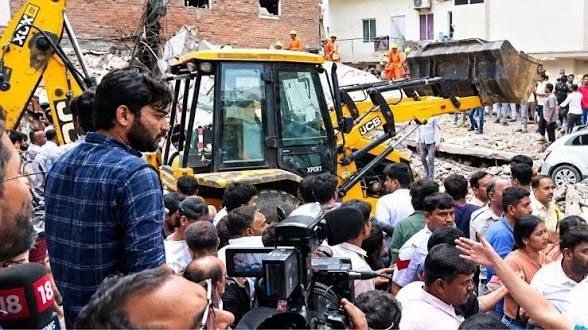
DDA के अनुसार UBBL 2016 में structural safety, natural disaster, fire और building services जैसे provisions शामिल हैं।
इसका मतलब यह है कि building safety सिर्फ दीवार मजबूत है या नहीं, इतनी छोटी बात नहीं है। इसमें design, exit, services, fire safety और disaster risk सब जुड़ते हैं।
Hidden Indicators of Structural Damage
इसलिए किसी पुराने घर की checking में सिर्फ paint और tiles मत देखिए। असली चीजें हैं foundation, columns, beams, slab, seepage, rusted steel, major cracks और settlement।
लेकिन एक और बड़ा issue है, extra floors। अगर approved map दो मंजिल का था और बाद में तीसरी या चौथी मंजिल बना दी गई, तो building का load calculation बदल जाता है।
Unauthorized construction सिर्फ legal problem नहीं होता। कई बार यह safety problem भी बन जाता है, क्योंकि पुरानी नींव को नया भार उठाने के लिए design ही नहीं किया गया होता।
Certification Rules and Legal Approvals
DDA flats में additions और alterations के लिए भी process है। DDA policy में architect और qualified structural engineer certification जैसी बात आती है, ताकि changes सिर्फ अंदाजे से न हों।
यहीं owner की responsibility शुरू होती है। “सबने किया है” कोई engineering certificate नहीं होता। पड़ोसी ने extra room बनाया, इसका मतलब आपकी building भी safe है, यह जरूरी नहीं।
DDA development control handbook में additional FAR या height की sanction/regularization के लिए structural safety certificate का reference मिलता है।
अगर certificate नहीं है या building unsafe पाई जाती है, तो local body notice देकर weakness rectify करवाने की process शुरू कर सकती है।
Smart Checklist for Buying Old Property
अब property buyer के angle से सोचिए। पुरानी Delhi property खरीदते समय सिर्फ location और rate देखना काफी नहीं है। Paper और structure दोनों देखने पड़ेंगे।
Approved map को actual construction से compare करना चाहिए। अगर map में तीन floors हैं और site पर पांच floors हैं, तो यह red flag हो सकता है।
Ownership documents भी जरूरी हैं। Sale deed, conveyance deed, lease papers, mutation, property tax record और कोई pending dispute, यह सब check होना चाहिए।
तीसरी चीज usage है। Property legally residential है, लेकिन ground पर PG, hostel, office या commercial activity चल रही है, तो rules और safety दोनों बदल सकते हैं।
Part 4: Hidden Economics, Housing Safety Audits, and Tenant Risks
चौथी चीज MCD notices हैं। किसी building पर dangerous, unauthorized construction या sealing notice पहले से है, तो buyer को बाद में बड़ा झटका लग सकता है।
पांचवीं चीज maintenance history है। Seepage कब से है, cracks कब आए, roof waterproofing हुई या नहीं, water tank कहां रखा है, यह सब छोटी बातें नहीं हैं।
Economic Realities Behind Unsafe Buildings
अब सवाल आता है, दिल्ली की पुरानी buildings अचानक इतना बड़ा concern क्यों बन रही हैं? वजह सिर्फ age नहीं, बल्कि pressure है।
एक तरफ population density बढ़ी। दूसरी तरफ students और working professionals के लिए PG demand बढ़ी। तीसरी तरफ property owners के लिए rent एक बड़ा income source बन गया।
जब rent per room मिलता है, तो incentive बनता है कि ज्यादा rooms बनाए जाएं। और जब ज्यादा rooms बनते हैं, तो load, wiring, plumbing, staircase और exits पर pressure बढ़ता है।
यही hidden economics है। Owner को revenue दिखता है, tenant को affordable room दिखता है, लेकिन structure पर कितना pressure आ रहा है, यह अक्सर कोई नहीं देखता।
Student Safety vs PG Rental Business
Student या tenant के लिए भी यह मुश्किल है। वह rent, college distance और basic facilities देखता है। वह columns, beams और load-bearing walls की technical checking नहीं कर सकता।
Authority के लिए challenge अलग है। Delhi जैसी dense city में हर old building की daily inspection practically possible नहीं। इसलिए complaint, notice, audit और enforcement की chain बहुत important हो जाती है।
लेकिन यहीं system की कमजोरी भी दिखती है। अगर cracks visible हैं, basement में work चल रहा है, और usage बदल चुका है, तो danger formal complaint का wait नहीं करता।
Satya Niketan जैसी घटना हमें यही uncomfortable question पूछने पर मजबूर करती है। क्या Delhi में building safety सिर्फ हादसे के बाद यादआप comment में बताइए, old PG और hostel buildings के लिए annual structural safety certificate compulsory होना चाहिए या इससे rent और compliance cost बहुत बढ़ जाएगी?
Structural Audits and Rental Market Impact
हादसे के बाद reports में PG hubs में structural audit और public-use buildings के लिए safety policy जैसे steps की चर्चा हुई है। अगर यह seriously लागू होता है, तो student housing market पर बड़ा असर पड़ सकता है।
अगर audits strict हुए, तो कई PG owners को repairs, redesign, occupancy limit या closure तक का सामना करना पड़ सकता है। Short term में rooms कम होंगे, rents बढ़ सकते हैं।
Students के लिए इसका मतलब inconvenience भी हो सकता है, लेकिन long term में safer housing मिल सकती है। सस्ती room अगर unsafe हो, तो वह bargain नहीं, risk है।
Part 5: Practical Warning Signs, Reconstruction Rules, and Structural Enemy
लेकिन पुराने घरों में रहने वाले ordinary families को panic करने की जरूरत नहीं है। 50 साल पुराना घर अपने आप मौत का जाल नहीं बन जाता।
Practical काम यह है कि warning signs को ignore न किया जाए। बड़ी diagonal cracks, बार-बार seepage, column में steel दिखना, slab झुकना, floor settlement और unexplained vibration serious signals हैं।
Professional Audits vs Preventive Care
Structural engineer से audit करवाना खर्च लग सकता है, लेकिन यह खर्च insurance जैसा है। हादसे के बाद कोई भी repair, compensation या legal fight उससे बहुत महंगी पड़ती है।
Renovation में सबसे ज्यादा सावधानी चाहिए। बिना expert advice के wall हटाना, basement खोदना, pillar काटना, slab में opening करना या extra water tank रखना risky हो सकता है।
Seepage: The Silent Structural Enemy
पानी building का silent enemy है। Long-term seepage concrete को कमजोर कर सकती है और steel reinforcement में rust पैदा कर सकती है। बाहर से paint नया हो, फिर भी अंदर damage हो सकता है।
Monsoon में यह खतरा और बढ़ जाता है, क्योंकि पानी basement और foundation के आसपास जमा हो सकता है। अगर drainage खराब है, तो old building पर pressure बढ़ सकता है।
Redevelopment Rules for DDA Houses
अब DDA मकानों के reconstruction की बात। क्या 50 साल पुराने DDA house को दोबारा बनाया जा सकता है? जवाब है, case by case।
यह plot size, lease conditions, ownership status, approved map, local development controls और उस area में applicable rules पर depend करेगा। हर पुरानी property automatically redevelopment-ready नहीं होती।
Reconstruction opportunity भी हो सकता है और trap भी। अगर owner बिना permission पुराने structure को तोड़कर नई building बनाना शुरू करे, तो approval, FAR, setback और height issues अटक सकते हैं।
Part 6: Illegal Construction Pitfalls, Human Cost, and Summary Recap
सबसे बड़ी गलती यह मानना है कि “पुराना बना हुआ है, तो regularize हो ही जाएगा।” Rules में कुछ deviations compoundable हो सकते हैं, लेकिन हर illegal change regularize नहीं होता।
DDA handbook में non-compoundable items जैसे number of floors, parking norms, light-ventilation provisions और use premises जैसे points का reference मिलता है। मतलब कुछ violations rectification या demolition तक जा सकते हैं।
Financial Impacts of Building Deviations
Buyer के लिए इसका financial impact बड़ा है। Unsafe या unauthorized property में bank loan अटक सकता है, resale value गिर सकती है, और future demolition notice पूरी investment को risk में डाल सकता है।
इस पूरी story का human layer सबसे दर्दनाक है। Building collapse सिर्फ concrete और steel की failure नहीं होती। यह families, students, dreams और trust की failure भी होती है।
Delhi जैसे शहर में हर building एक memory रखती है। किसने extra floor बनाया, किसने crack छुपाया, किसने complaint ignore की, और किसने inspection को formality समझा।
System Accountability and Future Safety
अब आगे नजर तीन चीजों पर रहेगी। PG-hostel safety policy सच में आती है या नहीं, structural audits कितने strict होते हैं, और unauthorized construction पर enforcement selective रहती है या consistent होती है।
सोचिए, एक student PG room में बैठा है, और अचानक वही building उसके लिए सबसे बड़ा danger बन जाती है। बाहर से सब normal दिखता है, लेकिन अंदर structure चुपचाप कमजोर हो चुका होता है।
Satya Niketan में private hostel वाली multi-storey building गिरने से कम से कम सात लोगों की मौत हुई। Reports में basement repair और excavation work की जांच की बात सामने आई।
Final Verdict and Video Outro
अब डर यहां है। Delhi में हजारों पुरानी DDA flats, builder floors और plotted houses 40-60 साल पुराने हैं। तो क्या 50 साल पुरानी building अपने आप dangerous मानी जाएगी?
लेकिन यहीं कहानी पलटती है। MCD-DDA rules उम्र नहीं, building की condition देखते हैं। Cracks, seepage, extra floors, unauthorized construction और PG जैसा heavy usage असली risk बना सकते हैं।सबसे बड़ा सवाल यही है कि पुरानी building warning sign है या legal danger? पूरी सच्चाई जानने के लिए discription में दिए लिंक पर क्लिक कर अभी पूरी वीडियो देखें।! आती है, या उससे पहले भी routine culture बनेगा? action ले सकती है।
अगर हमारे आर्टिकल ने आपको कुछ नया सिखाया हो, तो इसे शेयर करना न भूलें, ताकि यह महत्वपूर्ण जानकारी और लोगों तक पहुँच सके। आपके सुझाव और सवाल हमारे लिए बेहद अहम हैं, इसलिए उन्हें कमेंट सेक्शन में जरूर साझा करें। आपकी प्रतिक्रियाएं हमें बेहतर बनाने में मदद करती हैं।
GRT Business विभिन्न समाचार एजेंसियों, जनमत और सार्वजनिक स्रोतों से जानकारी लेकर आपके लिए सटीक और सत्यापित कंटेंट प्रस्तुत करने का प्रयास करता है। हालांकि, किसी भी त्रुटि या विवाद के लिए हम जिम्मेदार नहीं हैं। हमारा उद्देश्य आपके ज्ञान को बढ़ाना और आपको सही तथ्यों से अवगत कराना है।
अधिक जानकारी के लिए आप हमारे GRT Business Youtube चैनल पर भी विजिट कर सकते हैं।
धन्यवाद!