
भाग 1: सुबह की बड़ी खबर और आम निवेशक की उलझन
Imagine कीजिए, आप stock market में Adani Group की किसी company के shareholder हैं।
सुबह market खुलने से पहले एक खबर आती है कि SEBI ने Adani की पांच companies से जुड़ा मामला settle कर दिया है।
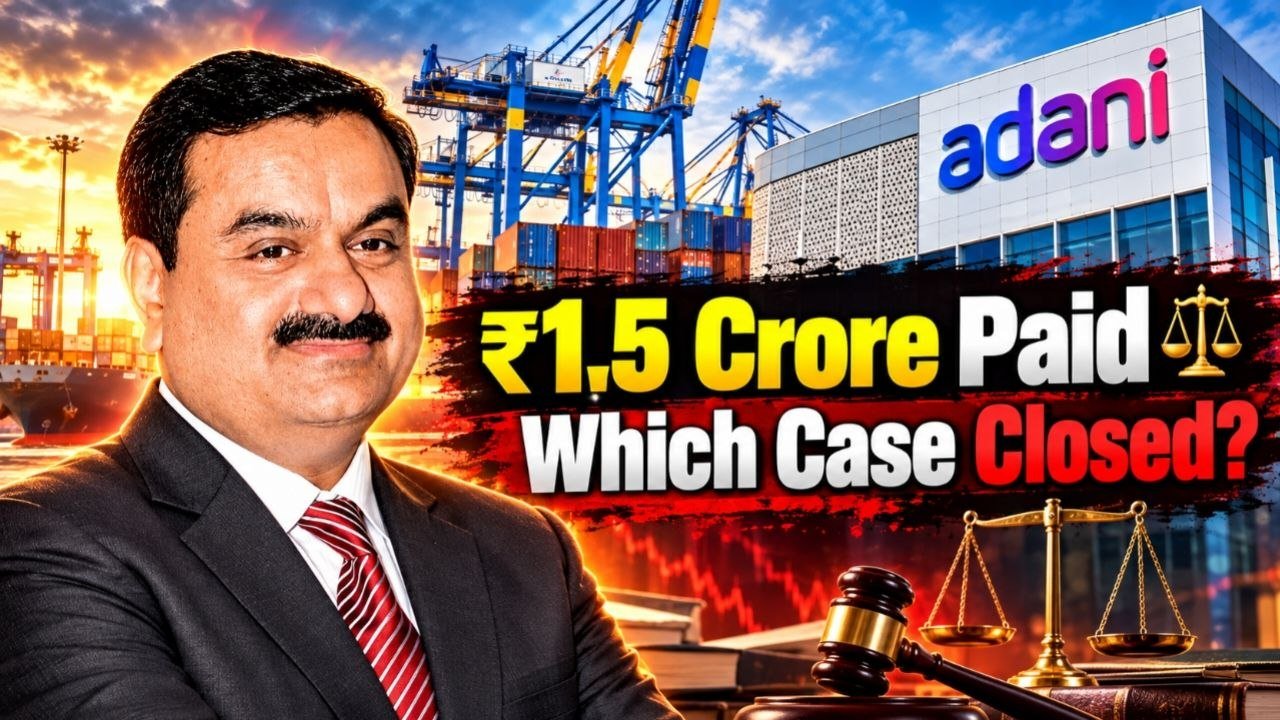
Headline में लिखा है, ₹1.5 करोड़ का payment। ऊपर से सुनने में लगता है, बस एक छोटा regulatory fine है और मामला खत्म।
लेकिन यहीं असली सवाल शुरू होता है। अगर amount इतना छोटा है, तो news इतनी बड़ी क्यों बन रही है? और अगर मामला settle हो गया, तो क्या इसका मतलब companies दोषी थीं?
Settlement का असली मतलब और गलतफहमियां
या फिर settlement का मतलब कुछ और होता है, जिसे आम investors अक्सर गलत समझ लेते हैं?
यह कहानी सिर्फ Adani Group की नहीं है। यह corporate governance, disclosure rules, related party transactions और investor trust की कहानी है।
अगर आपको stock market, companies और regulation की ऐसी आसान explainers पसंद हैं, तो video को like कर दीजिए, क्योंकि यह topic हर investor के काम का है।
22 September 2026: SEBI का फैसला और कंपनियों के नाम
22 September 2026 को SEBI ने Adani Group से जुड़ी पांच companies की adjudication proceedings को settlement के जरिए close कर दिया।
इन companies के नाम हैं Adani Enterprises, Adani Total Gas, Adani Green Energy, Adani Energy Solutions और AWL Agri Business।
AWL Agri Business को पहले Adani Wilmar के नाम से जाना जाता था। Adani Energy Solutions का पुराना नाम Adani Transmission था।
Settlement के तहत पांचों companies ने कुल मिलाकर करीब ₹1.51 करोड़ का payment किया। Headlines में इसे ₹1.5 करोड़ लिखा जा रहा है।
भाग 2: Settlement का गणित और Regulatory Framework

Adani Enterprises ने ₹76 लाख दिए। Adani Green Energy ने ₹45.5 लाख दिए। बाकी तीन companies ने ₹9.75 लाख each payment किया।
अब यहां पहली confusion साफ करनी जरूरी है। Settlement का मतलब यह नहीं होता कि court में guilt prove हो गया।
और settlement का मतलब यह भी नहीं होता कि सारे सवाल अपने आप गायब हो गए।
Related Party Transactions क्या होते हैं?
यह एक regulatory process है, जहां company बिना facts और legal conclusions को accept या deny किए, तय payment और conditions के साथ proceeding close करवा सकती है।
अब सवाल आता है, मामला था किस बात का?
यह issue related party transactions और disclosure compliance से जुड़ा था।
Related party transaction का simple मतलब है, company का कोई deal ऐसे व्यक्ति, entity या group से होना जिसका company से close connection हो।
Disclosures क्यों जरूरी हैं?
मान लीजिए कोई listed company अपने promoter से जुड़ी दूसरी company से service लेती है, माल खरीदती है या पैसा देती है। यह transaction ordinary भी हो सकता है।
लेकिन क्योंकि दोनों sides connected हैं, इसलिए investor को यह जानना जरूरी होता है कि deal fair है या किसी खास party को benefit देने वाली।
Public company में पैसा सिर्फ promoter का नहीं होता। उसमें retail investors, mutual funds, banks और institutions का भरोसा भी लगा होता है।
भाग 3: Allegations, Compliance और Audit Angle
इसीलिए stock market में disclosure rules इतने important होते हैं। Market में trust information से बनता है, silence से नहीं।
SEBI की examination में allegation यह था कि कुछ related party transactions या compliance details को सही तरीके से public नहीं किया गया।
Adani Enterprises से जुड़ा allegation financial year 2013 की annual report में related party transaction disclosure को लेकर बताया गया।
Peer Review Certificate और Auditor Quality Check
दूसरी companies के मामले में audit और limited review reports से जुड़े compliance issues भी देखे गए।
SEBI के अनुसार कुछ reports ऐसी audit firms द्वारा sign की गई थीं जिनके पास उस समय valid peer review certificate नहीं था।
अब peer review certificate क्या होता है? इसे आसान भाषा में auditor की quality check व्यवस्था समझिए।
जब listed company की financial reporting होती है, तो auditor की credibility बहुत important होती है।
Hindenburg Connection और Bigger Picture
अगर auditor के पास required certificate valid नहीं है, तो सवाल सिर्फ कागज का नहीं रहता। सवाल होता है, investor भरोसा किस base पर करे?
यहीं से यह matter bigger picture में जाता है।
यह मामला Hindenburg report के बाद हुई broader regulatory examination के दौरान सामने आया था।
January 2023 में Hindenburg Research ने Adani Group पर stock manipulation, accounting और offshore structures से जुड़े गंभीर आरोप लगाए थे।
भाग 4: Adani Group का पक्ष और Business Practicalities

Adani Group ने उस समय इन allegations को strongly deny किया था और report को misleading बताया था।
लेकिन जब इतना बड़ा allegation market में आता है, तो regulator की जिम्मेदारी होती है कि वह अलग-अलग claims और compliance points को examine करे।SEBI ने Hindenburg से जुड़े कई issues की जांच की थी। Reports के मुताबिक, यह matter उन broader examinations का एक हिस्सा था।
यानी यह settlement पूरी Hindenburg कहानी का final chapter नहीं है। यह उस बड़े regulatory puzzle का एक specific piece है।
Legal Uncertainty और Corporate Strategy
अब यहां एक important बात समझिए। Settlement order किसी dramatic courtroom confession जैसा नहीं होता।
Companies ने payment किया, proceedings close हुईं, लेकिन facts और legal conclusions को formally accept या deny नहीं किया गया।
सरल भाषा में कहें, तो यह एक regulatory closure mechanism है। लंबी लड़ाई के बजाय तय payment देकर matter निपटाया गया।
लेकिन अगर future में misrepresentation या condition breach जैसा कुछ सामने आता है, तो regulator के पास action का रास्ता बचा रह सकता है।
Governance Culture और Investor Perception
अब business angle देखिए। कोई company settlement क्यों करती है?
क्योंकि legal uncertainty खुद में एक cost होती है। Lawyer fees, management time, media headlines और investor questions, सब company पर pressure बनाते हैं।
कभी-कभी company सोचती है कि छोटी settlement amount देकर matter close करना business-wise ज्यादा practical है।
Adani Group जैसे बड़े conglomerate के लिए ₹1.5 करोड़ financially बहुत बड़ा amount नहीं है।
भाग 5: Conflict of Interest और Trust Chain
लेकिन reputationally यह छोटी headline भी sensitive होती है, क्योंकि background Hindenburg report जैसा high-profile है।
Investor सिर्फ amount नहीं देखता। Investor यह देखता है कि allegation किस nature का था और governance culture क्या signal दे रहा है।
अगर मामला disclosure से जुड़ा है, तो market पूछता है कि information समय पर और साफ तरीके से क्यों नहीं आई।
अगर मामला audit report से जुड़ा है, तो market पूछता है कि compliance checks इतने important होते हुए भी gap कैसे रह गया।
Bank Statement Analogy: Transparency की अहमियत
अब यहां दो sides हैं। Company side कह सकती है कि यह old compliance issue था, settlement हो गया, और कोई guilt admit नहीं की गई।
Regulator और investor side कह सकती है कि listed companies से reporting discipline की उम्मीद बहुत high होती है।
दोनों arguments को समझना जरूरी है, क्योंकि stock market में truth अक्सर headline से थोड़ा ज्यादा layered होता है।
एक simple analogy से समझिए। अगर आपका बैंक statement गलत format में आता है, तो हो सकता है आपका पैसा safe हो।
लेकिन आप फिर भी पूछेंगे, statement गलत क्यों आया? क्योंकि finance में format भी trust का हिस्सा होता है।
Audit Quality और Public Scrutiny
Listed company में भी यही logic है। Profit, revenue और assets जितने important हैं, उतना ही important है disclosure का साफ होना।
Corporate governance कोई decorative शब्द नहीं है। यह वह system है जो बताता है कि company अपने shareholders के साथ कितनी ईमानदार और transparent है।
Related party transactions में risk यही होता है कि connected parties को unfair advantage मिल सकता है।
हर related party transaction गलत नहीं होता। लेकिन हर related party transaction को ज्यादा transparency चाहिए।
क्योंकि जब deal connected entity से होती है, तो conflict of interest का सवाल naturally उठता है।
भाग 6: Lessons for Companies, Investors and Market Future

और अगर disclosure weak है, तो investor को लगता है कि कुछ छिपाया गया होगा, भले ही actual transaction legitimate हो।
यही वजह है कि regulators disclosure failures को lightly नहीं लेते।
अब audit angle पर आते हैं। Audit report investor के लिए एक confidence signal होती है।
Retail investor खुद company की books खोलकर हर entry verify नहीं कर सकता।
वह auditor, board, exchange filings और regulator पर भरोसा करता है।
अगर audit या review report ऐसी firm से sign हुई हो जिसके certificate पर सवाल है, तो trust chain में crack दिखता है।
यह crack छोटा हो सकता है, technical हो सकता है, लेकिन market में perception जल्दी बनता है।
Hindenburg report के बाद Adani Group already intense public scrutiny में था।
ऐसे माहौल में छोटे compliance matters भी बड़े lens से देखे जाते हैं।
यही कारण है कि ₹1.5 करोड़ की settlement भी news बनती है।
यह amount से ज्यादा signal की story है।
अब सवाल यह है कि क्या इससे Adani Group को relief मिला?
एक level पर हां। Specific adjudication proceedings close हो गईं, और regulatory uncertainty का एक हिस्सा कम हुआ।
लेकिन इसका मतलब यह नहीं कि Hindenburg से जुड़े सारे issues automatically खत्म हो गए।
Reports के अनुसार broader scrutiny में offshore investors, public shareholding rules और trading pattern जैसे कुछ बड़े questions अलग category में देखे जाते रहे हैं।इसलिए investor को यह समझना चाहिए कि एक settlement पूरे regulatory picture का substitute नहीं है।
अब companies के लिए आगे क्या lesson है?
पहला lesson यह है कि compliance back-office का छोटा काम नहीं है। यह market confidence का foundation है।
दूसरा lesson यह है कि old disclosures भी future में वापस खुल सकते हैं, खासकर जब कोई बड़ा controversy trigger बन जाए।
तीसरा lesson यह है कि listed companies को supplier, auditor, board approval और related party records को बेहद साफ रखना पड़ता है।
Compliance cost short term में बोझ लग सकती है, लेकिन non-compliance की reputational cost उससे बड़ी हो सकती है।
Retail investors के लिए भी यहां बड़ा lesson है। किसी भी settlement को देखकर तुरंत bullish या bearish conclusion मत बनाइए।
पहले देखिए allegation क्या था, amount कितना था, company ने क्या accept किया, और regulator ने कौन सी proceedings close कीं।
₹1.5 करोड़ Adani Group के scale के सामने छोटा amount है, लेकिन governance issue का importance amount से decide नहीं होता।
कई बार छोटी penalty भी बड़े system weakness की तरफ signal कर सकती है। और कई बार बड़ी headline का legal impact limited होता है।
इसलिए smart investor headline नहीं, details पढ़ता है।
अब India के capital market की बड़ी कहानी देखिए। जैसे-जैसे market में retail investors बढ़ रहे हैं, disclosure rules और strict होंगे।
Companies को अब सिर्फ business grow नहीं करना। उन्हें transparent भी दिखना होगा, और transparent होना भी होगा।
SEBI settlement mechanism इसलिए exist करता है ताकि हर compliance dispute years तक न लटके।
Regulator को भी efficiency चाहिए, companies को closure चाहिए, और market को clarity चाहिए।
लेकिन settlement system की सबसे बड़ी risk यही है कि public इसे या तो clean chit समझ लेती है, या proved guilt।
असल में यह दोनों नहीं है। यह एक middle path है, जहां matter बिना admission या denial के close होता है।
तो शुरुआत का सवाल याद कीजिए। Adani companies ने ₹1.5 करोड़ क्यों दिए?
जवाब यह है कि यह payment एक specific SEBI proceeding को settle करने के लिए था, जो disclosure और audit compliance issues से जुड़ी थी।
इसका बड़ा मतलब यह है कि India में listed companies के लिए corporate governance अब side topic नहीं रहा।
आने वाले समय में investors को सिर्फ profit growth नहीं, disclosure quality और regulatory updates पर भी नजर रखनी होगी।
आपको क्या लगता है, बिना guilt admit किए settlement की सुविधा companies के लिए practical है, या इससे investor trust कमजोर होता है?
अगर हमारे आर्टिकल ने आपको कुछ नया सिखाया हो, तो इसे शेयर करना न भूलें, ताकि यह महत्वपूर्ण जानकारी और लोगों तक पहुँच सके। आपके सुझाव और सवाल हमारे लिए बेहद अहम हैं, इसलिए उन्हें कमेंट सेक्शन में जरूर साझा करें। आपकी प्रतिक्रियाएं हमें बेहतर बनाने में मदद करती हैं।
GRT Business विभिन्न समाचार एजेंसियों, जनमत और सार्वजनिक स्रोतों से जानकारी लेकर आपके लिए सटीक और सत्यापित कंटेंट प्रस्तुत करने का प्रयास करता है। हालांकि, किसी भी त्रुटि या विवाद के लिए हम जिम्मेदार नहीं हैं। हमारा उद्देश्य आपके ज्ञान को बढ़ाना और आपको सही तथ्यों से अवगत कराना है।
अधिक जानकारी के लिए आप हमारे GRT Business Youtube चैनल पर भी विजिट कर सकते हैं।
धन्यवाद!