
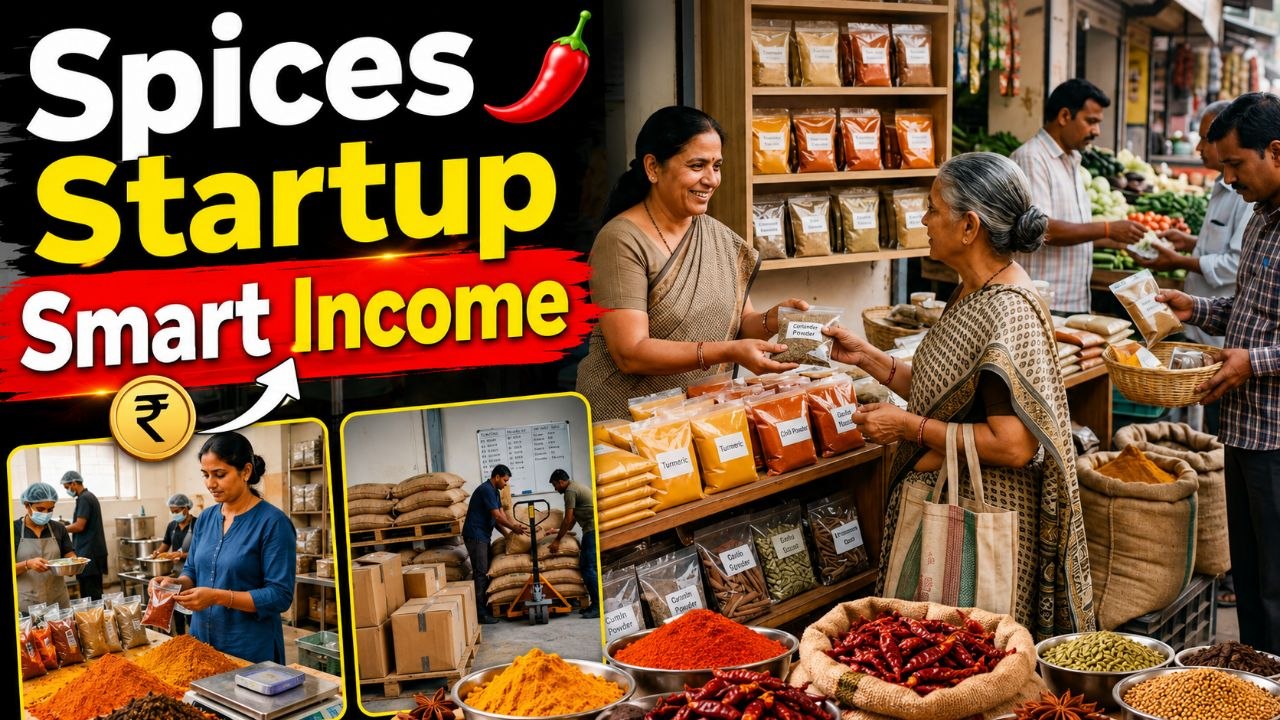
भाग 1: Spices का बिजनेस और बाजार की असल Demand
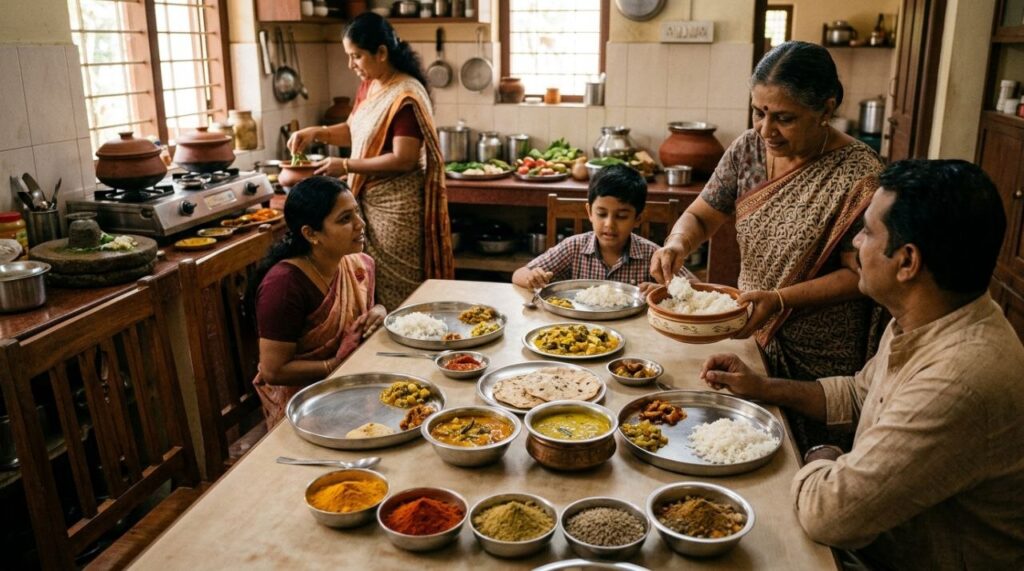
सुबह के छह बजे एक छोटी सी kitchen में तड़का लगता है। हल्दी की खुशबू, जीरे की आवाज और लाल मिर्च की गर्माहट, पूरे घर को जगा देती है। Spices
उसी समय शहर के दूसरे कोने में एक ढाबे वाला बड़ा भगोना चढ़ाता है। तीसरी जगह एक catering वाला शादी के order के लिए मसाले तौल रहा होता है।
रसोई की जरूरत और व्यापार का डर
डर यहीं से शुरू होता है। जिस business में रोज demand है, उसमें भी कई लोग पैसा लगाकर क्यों फेल हो जाते हैं? Spices
और curiosity यह है कि वही हल्दी, मिर्च और धनिया, जो घर की रसोई में रोज इस्तेमाल होते हैं, किसी छोटे entrepreneur की कमाई का मजबूत रास्ता कैसे बन सकते हैं? Spices
भारतीय फूड हैबिट से जुड़ी संभावनाएं
मसाला business सुनने में छोटा लगता है, लेकिन यह India की food habit से जुड़ा business है। यहां खाना बिना मसाले के अधूरा माना जाता है। Spices
हर घर में हल्दी चाहिए, लाल मिर्च चाहिए, धनिया चाहिए, जीरा चाहिए, गरम मसाला चाहिए। मौसम बदले, salary बदले, लेकिन kitchen की यह जरूरत खत्म नहीं होती।
इसीलिए spice packaging और spice processing business को 365 दिन demand वाला business कहा जाता है। यह केवल festival या शादी season पर depend नहीं करता।
भाग 2: Local Setup, Customer Trust और Investment
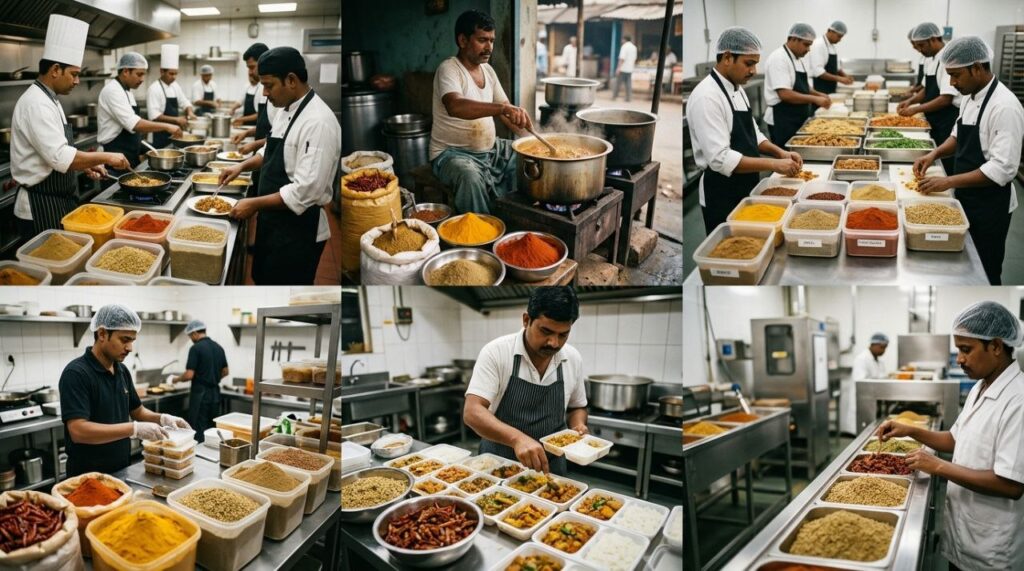
घर के अलावा hotels, restaurants, dhabas, cloud kitchens, caterers, tiffin services और food processing units भी spices का बड़ा use करते हैं।
एक छोटा brand local किराना store से शुरू होकर धीरे-धीरे restaurant supply, WhatsApp orders और online marketplace तक पहुंच सकता है।
क्वालिटी कंसिस्टेंसी और बदलता मार्केट ट्रेंड
लेकिन यह कहानी सिर्फ मसाला खरीदकर pouch में भर देने की नहीं है। असली खेल quality, trust, taste consistency और clean processing का है।
Customer पहली बार आपका मसाला curiosity में खरीद सकता है, लेकिन दूसरी बार वही खरीदेगा जब रंग, खुशबू और स्वाद भरोसेमंद रहे।
India spice market में loose masala की मजबूत पकड़ है, लेकिन branded और packaged मसालों की demand तेजी से बढ़ रही है।
खुले मसाले से पैक्ड फूड की ओर शिफ्ट
लोग अब साफ packaging, FSSAI number, manufacturing date, best before और consistent taste देखते हैं। trust धीरे-धीरे खुले मसाले से sealed pack की तरफ shift हो रहा है।
यह shift छोटे entrepreneurs के लिए opportunity है। अगर आप local taste समझते हैं और साफ product दे सकते हैं, तो बड़ी कंपनियों के बीच भी जगह बन सकती है।
Business शुरू करने से पहले एक simple decision लेना होता है। आप सिर्फ packaging करेंगे या मसाले खुद साफ, roast, grind और blend भी करेंगे?
भाग 3: Processing, Grinding और Storage के नियम
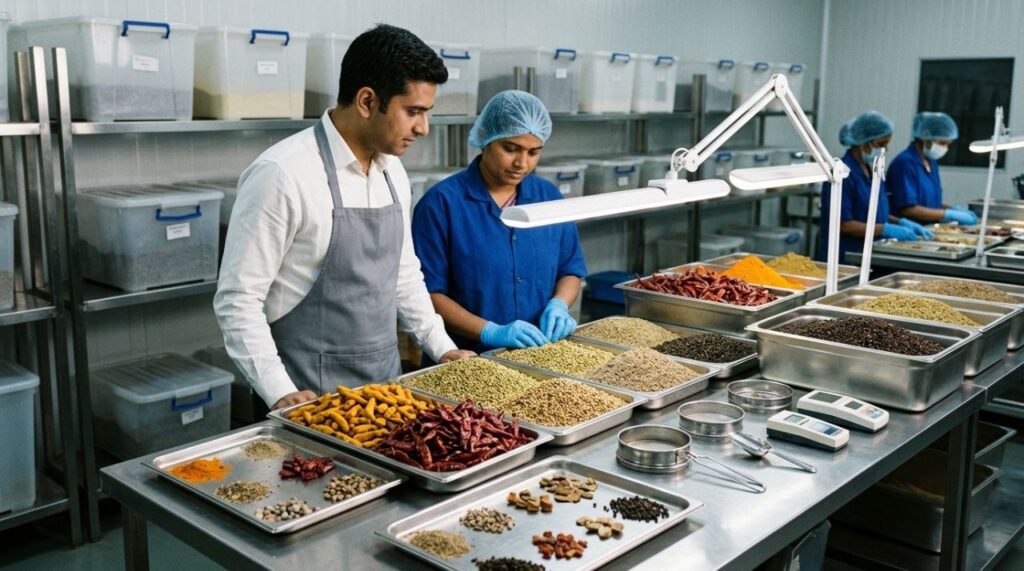
अगर budget कम है, तो शुरुआत ready ground spices खरीदकर private label packaging से हो सकती है। लेकिन इसमें margin और quality control दोनों limited रहेंगे। Spices
अगर आप raw whole spices खरीदकर processing करते हैं, तो control ज्यादा होगा। लेकिन investment, machine, cleaning और compliance responsibility भी बढ़ेगी। Spices
बजट, मशीनरी और स्टॉक का सही मैनेजमेंट
छोटे level पर spice packaging unit ₹2 lakh से ₹5 lakh के आसपास शुरू हो सकती है, अगर operation basic और manual रखा जाए। Spices
अगर grinding machine, mixer, sealing machine, weighing scale और small setup लगाया जाए, तो investment ₹5 lakh से ₹10 lakh तक जा सकता है।
Automatic machines, bigger production area, lab testing, staff और professional packaging जोड़ने पर cost और बढ़ेगी। इसलिए शुरुआत में scale छोटा रखना समझदारी है।
कच्चे माल की सुरक्षा और सीलन से बचाव
Raw material में haldi fingers, dry red chilli, coriander seeds, cumin, black pepper, fennel, cardamom, cloves, cinnamon और दूसरे spices आ सकते हैं।
हर spice की खरीद में season और mandi price important होता है। हल्दी, जीरा और मिर्च के rates supply और crop condition से fluctuate कर सकते हैं। Spices
इसलिए पहले month में बड़ा stock लेने से बचना चाहिए। छोटे batches बनाकर market response test करना ज्यादा safe होता है।
Raw material सिर्फ सस्ता नहीं, clean और authentic होना चाहिए। ज्यादा नमी, fungus, stones, dust या adulteration आपके brand को शुरू में ही नुकसान पहुंचा सकते हैं। Spices
भाग 4: Blending, FSSAI लाइसेंस और Legal Compliances
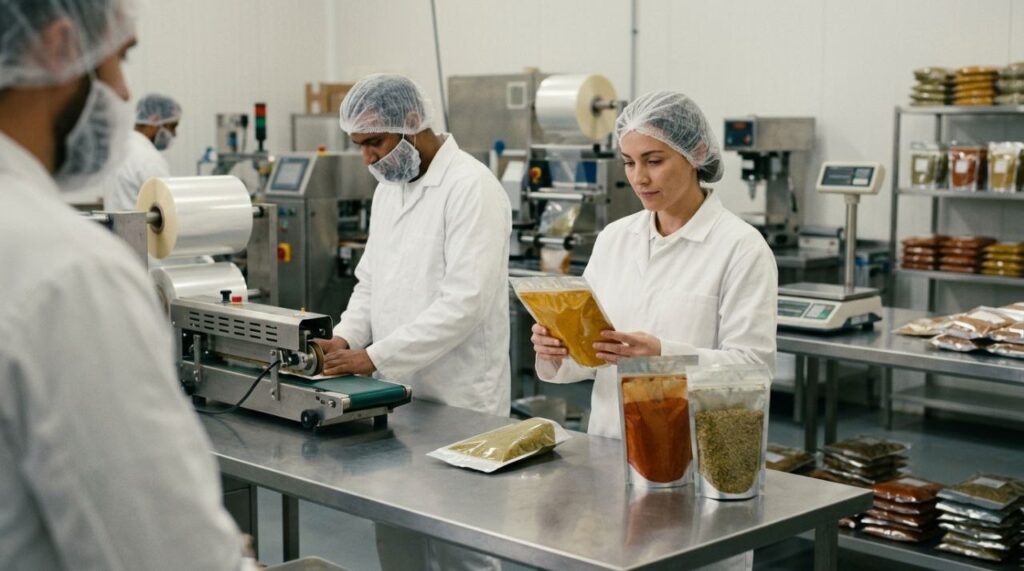
Spices की सबसे बड़ी enemy moisture है। अगर powder में नमी बढ़ गई, तो aroma कम होगा, lumps बनेंगे और shelf life खराब हो सकती है।
इसलिए storage area dry, clean और pest-free होना चाहिए। sacks को floor पर सीधे नहीं रखना चाहिए, pallets या racks का use बेहतर है।
क्लीनिंग प्रोसेस और स्वाद की एकरूपता
Processing में पहला step cleaning है। whole spices से dust, stones, stalks और unwanted particles हटाने पड़ते हैं।
इसके बाद कुछ spices को हल्का roasting किया जा सकता है, लेकिन हर spice को roast करना जरूरी नहीं। ज्यादा heat aroma oils को नुकसान पहुंचा सकती है।
Grinding stage में temperature control important है। अगर machine बहुत heat generate करे, तो मसाले की खुशबू और flavor कमजोर हो सकता है।
पैकेजिंग साइज और सरकारी नियम कायदे
Mixing stage में consistency बहुत जरूरी है। Garam masala, chaat masala या sabzi masala में हर batch का taste same रहना चाहिए।
अगर आज का garam masala तेज है और अगले batch में हल्का, तो customer trust टूट सकता है। इसलिए recipe measurement लिखकर standard बनाना जरूरी है।
Packaging में छोटे sachet, 50 gram, 100 gram, 200 gram और 500 gram packs रखे जा सकते हैं। small trial packs new customers के लिए अच्छे होते हैं।
Restaurants और dhabas के लिए 1 kg और 5 kg bulk packs useful हो सकते हैं। retail और institutional customers की packaging जरूरत अलग होती है।
भाग 5: Marketing Strategies और Global Export Data
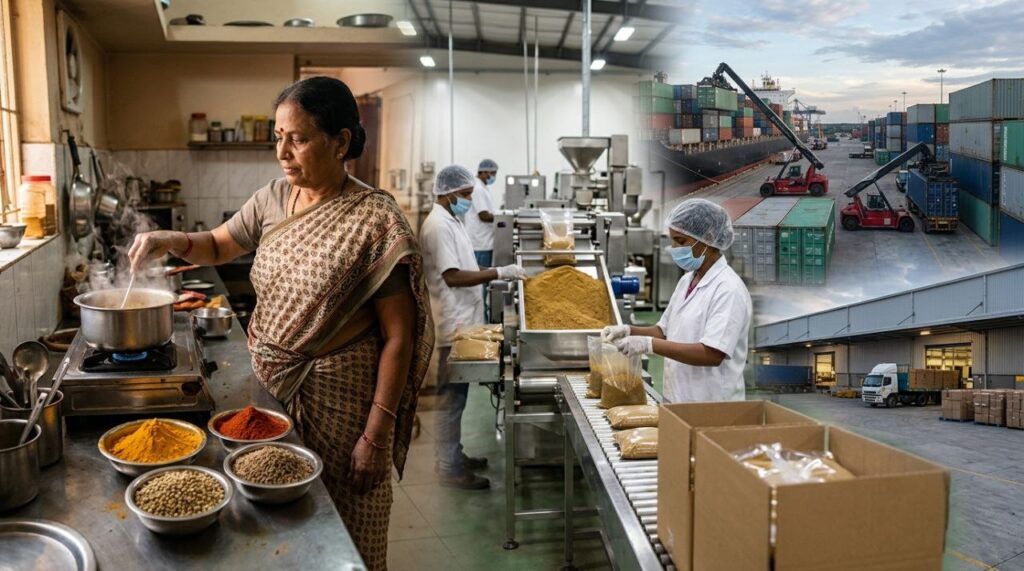
Pouch material food-grade होना चाहिए और sealing strong होनी चाहिए। अगर pouch में हवा या moisture घुस गया, तो पूरा product कमजोर पड़ जाएगा।
Label पर brand name के साथ product name, net quantity, ingredients, batch number, manufacturing date, best before और FSSAI details सही तरीके से देना जरूरी है।
ऑनलाइन मार्केटप्लेस और क्वालिटी चेकिंग
FSSAI compliance को हल्के में नहीं लेना चाहिए। food business में registration या license legal safety और customer trust, दोनों के लिए जरूरी है।
FSSAI के अनुसार ₹12 lakh annual turnover तक petty food business registration category में आ सकता है, और उससे ऊपर license की जरूरत पड़ सकती है।
इसके अलावा local shop act, GST, Udyam registration और trade license जैसी जरूरतें business model और turnover के हिसाब से देखनी चाहिए।
सोशल मीडिया और रीजनल ब्लेंड्स का फायदा
अगर आप online marketplace पर बेचना चाहते हैं, तो compliance और packaging और भी important हो जाती है। Amazon या Flipkart जैसे platforms seller documents मांगते हैं।
Quality testing भी एक serious area है। recent years में Indian spices पर pesticide residue, contamination और safety standards को लेकर scrutiny बढ़ी है।
इसलिए छोटे brand को भी lab testing, supplier verification और clean handling पर ध्यान देना चाहिए। एक खराब batch पूरी reputation गिरा सकता है।
Spices Board data बताता है कि India spices export में बहुत बड़ा player है। 2025 में India ने ₹39,140 crore से ज्यादा value के spice products export किए।
भाग 6: Profit Margin, Risks और सरकारी योजनाएं
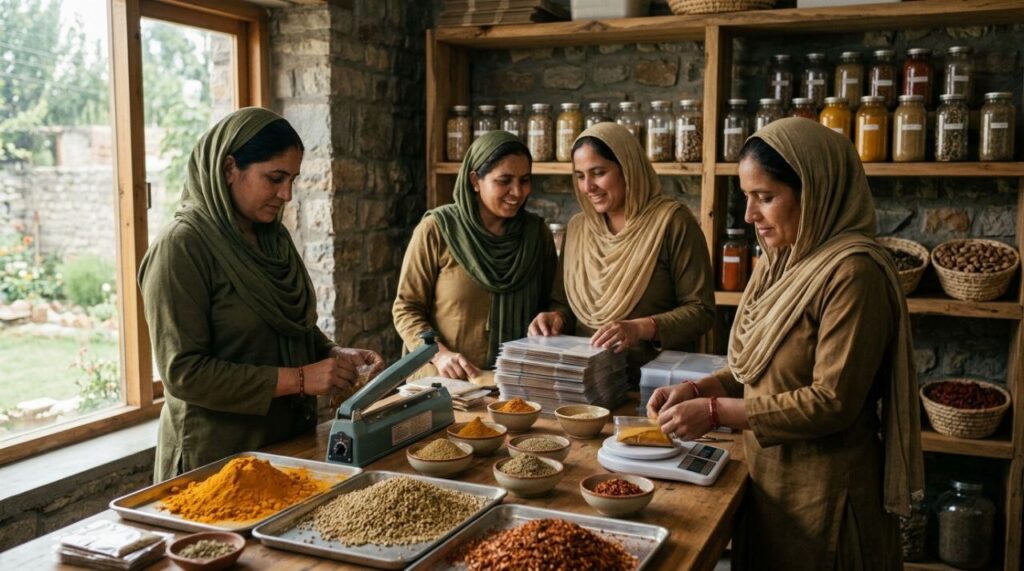
इससे यह समझ आता है कि spices सिर्फ local kitchen का product नहीं हैं। यह national और international food trade का important segment है।
लेकिन export सोचने से पहले local market जीतना जरूरी है। पड़ोस की किराना दुकान, छोटी supermarket और restaurant supply आपका पहला testing ground हो सकते हैं।
सैंपल डिस्ट्रीब्यूशन और कैश फ्लो का ध्यान
Marketing की शुरुआत product sample से हो सकती है। दुकानदार को small display margin दीजिए, customer को trial pack दीजिए और feedback लिखिए।
WhatsApp Business बहुत काम आ सकता है। product catalogue, price list, order confirmation ओर repeat customer reminder simple तरीके से भेजे जा सकते हैं।
Instagram और Facebook पर सिर्फ product photo डालना काफी नहीं। recipe videos, kitchen tips और behind-the-scenes cleaning process trust बनाते हैं।
रिस्क मैनेजमेंट, गृह उद्योग और वीडियो गाइड
Local branding में सबसे powerful चीज taste memory होती है। अगर आपका masala किसी region की specific taste profile पकड़ ले, तो customers loyal हो सकते हैं।
Example के लिए Punjabi chole masala, Rajasthani laal mirch blend, South Indian sambar powder या घर जैसा garam masala अलग positioning बना सकते हैं।
Generic मसाले में competition ज्यादा है। लेकिन regional blend, preservative-free promise, fresh grinding और honest sourcing से differentiation मिल सकता है।
Profit की बात करें तो gross margin कई cases में 20% से 40% तक हो सकता है, लेकिन यह purchase price, wastage, packaging और sales channel पर depend करता है।
Retail packs में margin बेहतर दिख सकता है, लेकिन marketing, returns और shopkeeper commission भी जुड़ता है। bulk sales में margin कम, volume ज्यादा हो सकता है।
कमाई का असली formula है fast rotation। मसाला shelf पर पड़ा रहे तो पैसा block होता है और freshness भी घटती है। Spices
इसलिए demand देखकर production करना चाहिए। शुरुआत में 5 से 6 fast moving products पर focus करें, हर चीज बनाने की जल्दबाजी न करें।
हल्दी, धनिया, लाल मिर्च, जीरा powder, garam masala और सब्जी masala से शुरुआत practical हो सकती है। बाद में specialized blends जोड़े जा सकते हैं। Spices
Business में सबसे बड़ा risk adulteration का temptation है। कुछ लोग रंग बढ़ाने, weight बढ़ाने या cost कम करने के लिए गलत mixing करते हैं।
यह short-term profit देता है, लेकिन long-term में brand खत्म कर देता है। food business में trust टूटे, तो वापस पाना बहुत मुश्किल होता है।
दूसरा risk credit sales है। कई दुकानदार goods ले लेते हैं और payment delay करते हैं। छोटे business में cash flow जल्दी टूट सकता है।
इसलिए शुरुआती stage में limited credit रखें। written bill, payment cycle और follow-up discipline बहुत जरूरी है।
तीसरा risk over-expansion है। कई लोग first month में packaging, logo optical और machine पर ज्यादा खर्च कर देते हैं, लेकिन sales channel ready नहीं होता।
पहले demand prove करें, फिर machinery upgrade करें। business ego से नहीं, cash flow से बढ़ता है।
Government schemes भी मदद कर सकती हैं। MoFPI की PMFME scheme micro food processing units को upgradation, branding, marketing और training support देने के लिए बनाई गई है।
लेकिन subsidy को guaranteed पैसा समझकर business plan नहीं बनाना चाहिए। scheme eligibility, bank loan, documents और approval process properly check करना जरूरी है।
अगर किसी district में spices ODOP product है, तो local department से training और support options पता किए जा सकते हैं।
Women self-help groups और small entrepreneurs के लिए spice business खास opportunity बन सकता है, क्योंकि इसे छोटे setup से controlled तरीके से शुरू किया जा सकता है।
लेकिन घर से काम शुरू करने पर भी hygiene, storage और legal compliance ignore नहीं करना चाहिए। kitchen business और commercial food handling में फर्क होता है।
एक strong brand name याद रहने वाला होना चाहिए। बहुत complicated English name से बेहतर ऐसा नाम हो सकता है जो taste और trust दोनों महसूस कराए।
Packaging design clean होनी चाहिए, लेकिन झूठे claims नहीं होने चाहिए। “100% pure” लिखना आसान है, proof और quality maintain करना मुश्किल है।
Customer complaints को ignore न करें। अगर किसी batch में smell, color या taste issue आया है, तो उसे जल्दी solve करना ही brand building है।
हर month sales data देखें। कौन सा product fast चल रहा है, कौन सा slow है, कौन सा shop reorder दे रहा है, यही data future guide करेगा।
Restaurants से feedback अलग मिलेगा। उन्हें taste consistency और bulk price चाहिए। घरों को freshness, aroma और trust चाहिए।
Online customers reviews देखते हैं। इसलिए delivery packaging, leakage control और customer response speed भी business का हिस्सा बन जाते हैं।
मसाला business में success overnight नहीं आती। पहले local trust बनता है, फिर repeat orders आते हैं, फिर brand recall बनता है।
अगर quality strong है, pricing fair है और supply regular है, तो छोटा brand भी धीरे-धीरे market में अपनी जगह बना सकता है।
इस business की खूबसूरती यह है कि product रोज इस्तेमाल होता है। लेकिन चुनौती यह है कि competition भी हर गली में मौजूद है।
जीत उसी की होगी जो सिर्फ मसाला नहीं बेचेगा, बल्कि भरोसा, स्वाद और साफ-सुथरी processing बेचेगा।
एक दिन वही छोटा pouch, जो आपने local दुकान पर रखा था, किसी घर की सब्जी का स्वाद बन सकता है।
और जब customer कहे, “यही वाला मसाला फिर देना,” तब समझिए business सिर्फ शुरू नहीं हुआ, चल पड़ा है।
मसालों की खुशबू रसोई से उठती है, लेकिन सही planning हो तो वही खुशबू आपकी कमाई, पहचान और brand की शुरुआत भी बन सकती है।
सोचिए, सुबह की रसोई में चाय चढ़ी है, पराठा बन रहा है, और डिब्बे से हल्दी, मिर्च, धनिया निकल रहे हैं। यही छोटी-छोटी खुशबू किसी के लिए रोज की जरूरत है, और किसी के लिए business opportunity।
डर यहीं से शुरू होता है। लोग business शुरू करना चाहते हैं, लेकिन डरते हैं कि demand रहेगी या नहीं। मसालों में यही डर कम है, क्योंकि भारत के घरों, hotels, restaurants और ढाबों में इनकी जरूरत साल के 365 दिन रहती है।
छोटे level पर spice packaging business करीब ₹2 lakh से ₹5 lakh में शुरू हो सकता है। अगर grinding machine लगानी हो, तो investment ₹5 lakh से ₹10 lakh तक जा सकता है।
इसमें साबुत मसाले, packaging pouch, label, weighing machine, sealing machine और marketing की जरूरत होती है। Profit quality, brand और sales पर निर्भर करता है, जहां gross margin 20% से 40% तक हो सकता है।
लेकिन सबसे बड़ा मोड़ quality और trust में छिपा है। अगर मसाला साफ, सही packed और license के साथ बाजार में उतरा, तो local brand बड़ी पहचान बना सकता है। पूरी सच्चाई जानने के लिए discription में दिए लिंक पर क्लिक कर अभी पूरी वीडियो देखें।!
अगर हमारे आर्टिकल ने आपको कुछ नया सिखाया हो, तो इसे शेयर करना न भूलें, ताकि यह महत्वपूर्ण जानकारी और लोगों तक पहुँच सके। आपके सुझाव और सवाल हमारे लिए बेहद अहम हैं, इसलिए उन्हें कमेंट सेक्शन में जरूर साझा करें। आपकी प्रतिक्रियाएं हमें बेहतर बनाने में मदद करती हैं।
GRT Business विभिन्न समाचार एजेंसियों, जनमत और सार्वजनिक स्रोतों से जानकारी लेकर आपके लिए सटीक और सत्यापित कंटेंट प्रस्तुत करने का प्रयास करता है। हालांकि, किसी भी त्रुटि या विवाद के लिए हम जिम्मेदार नहीं हैं। हमारा उद्देश्य आपके ज्ञान को बढ़ाना और आपको सही तथ्यों से अवगत कराना है।
अधिक जानकारी के लिए आप हमारे GRT Business Youtube चैनल पर भी विजिट कर सकते हैं।
धन्यवाद!