
भाग 1: आधुनिक प्रगति और छिपी हुई क्लाइमेट स्टोरी
कल्पना कीजिए, आप किसी बड़े शहर में खड़े हैं। सामने ऊंची-ऊंची buildings हैं, दूर flyover पर traffic चल रहा है, metro line के नीचे लोग भाग रहे हैं, किसी construction site पर crane घूम रही है, और किसी factory में machines लगातार सामान बना रही हैं। यह सब modern progress की तस्वीर लगती है। लेकिन इसी progress के अंदर एक ऐसी climate story छिपी है, जिसे हम अक्सर देख ही नहीं पाते।
मैन्युफैक्चरिंग सेक्टर का 31 प्रतिशत हिस्सा
पहले पार्ट में हमने समझा था कि दुनिया को हर साल निकलने वाली, greenhouse gases को 51 billion से zero तक ले जाना है। दूसरे पार्ट में हमने देखा कि electricity को clean बनाना climate fight का सबसे बड़ा plug point है। लेकिन डर यहीं से बढ़ता है, क्योंकि दुनिया सिर्फ electricity से नहीं चलती। दुनिया cement, steel और plastic से भी बनती है। और जिज्ञासा यह है कि जिन चीजों से हमने शहर, पुल, घर, गाड़ियां और machines बनाई हैं, क्या वही चीजें climate disaster को और करीब ला रही हैं?
बिल गेट्स का बड़ा सवाल: हम चीजें कैसे बनाते हैं?
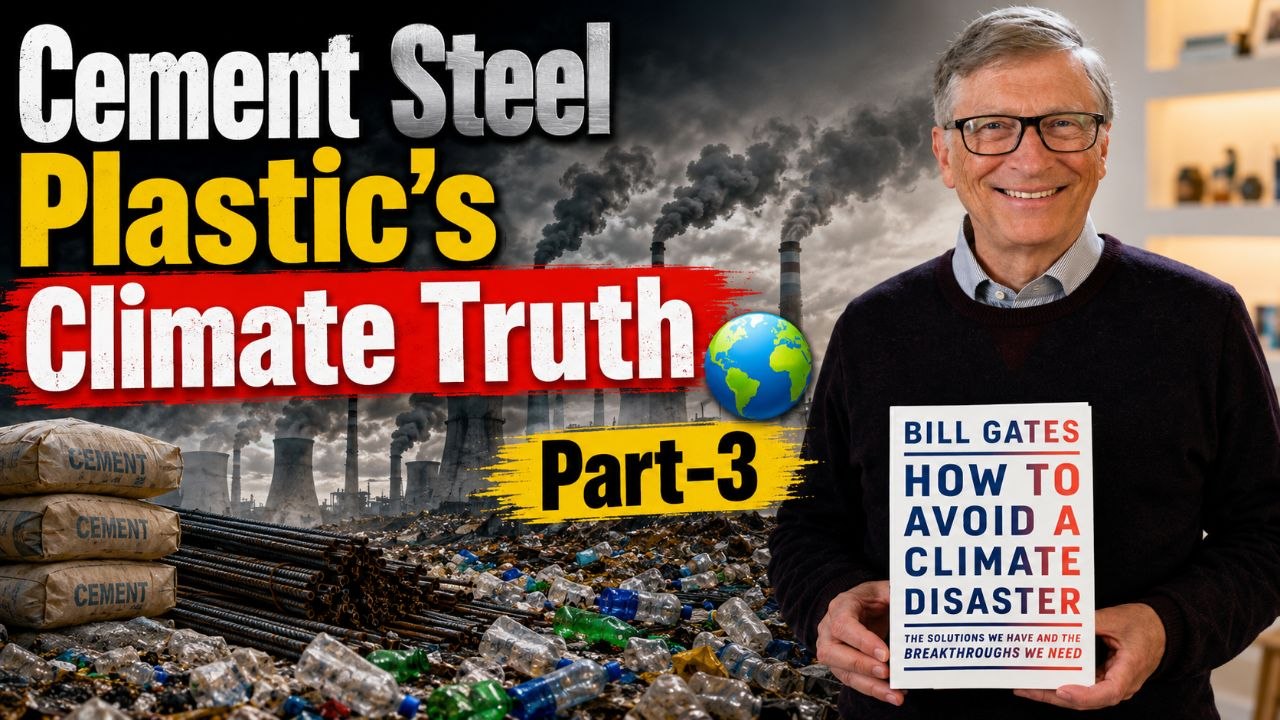
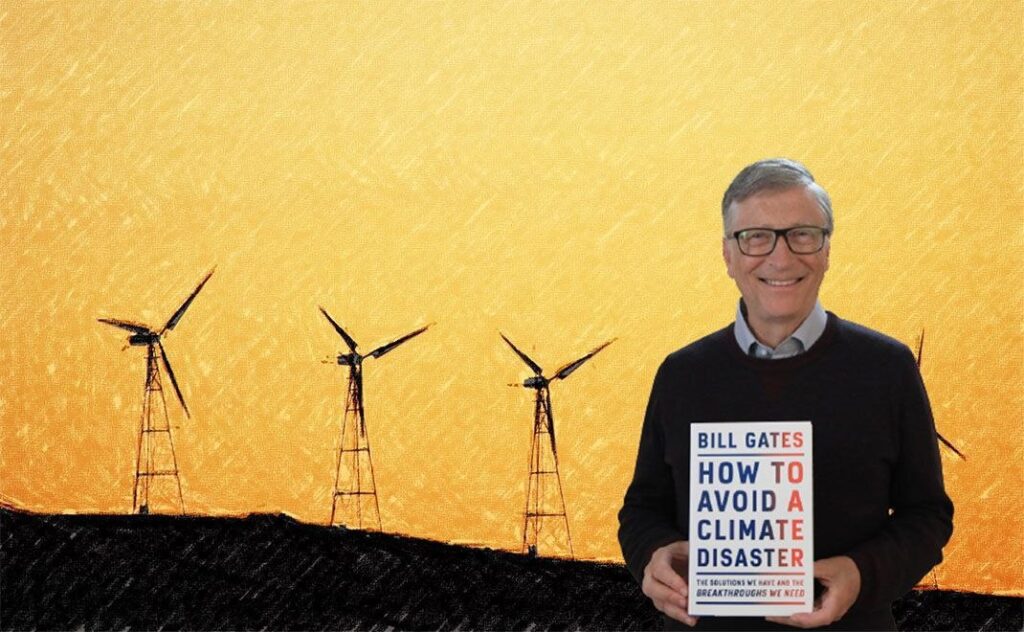
Bill Gates की किताब “How to Avoid a Climate Disaster” में electricity के बाद एक बड़ा सवाल आता है—हम चीजें कैसे बनाते हैं? क्योंकि climate change की लड़ाई सिर्फ power plants तक सीमित नहीं है। हम जो घर बनाते हैं, जो roads बनाते हैं, जो bridges बनाते हैं, जो cars चलाते हैं, जो phones पकड़ते हैं, जो packaging use करते हैं, और जो factories में products बनते हैं, इन सबके पीछे materials की एक लंबी chain होती है।
भाग 2: सीमेंट – आधुनिक निर्माण का साइलेंट हीरो और विलेन
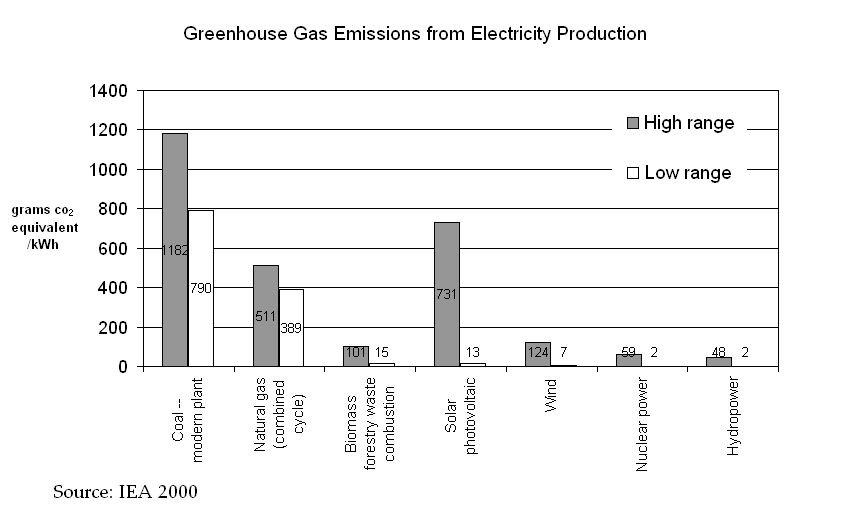
Bill Gates की breakdown के अनुसार, cement, steel और plastic जैसी चीजें बनाने वाला sector global greenhouse gas emissions का करीब 31 percent हिस्सा बनाता है। यानी अगर हम सिर्फ electricity clean कर लें, लेकिन manufacturing को ignore कर दें, तो zero emissions का सपना अधूरा रह जाएगा। यही इस पार्ट की असली कहानी है। पिछली बार हमने जाना था कि clean electricity future की foundation है। अगर बिजली clean होगी, तो transport, buildings और industries को बदलने का रास्ता खुलेगा।
मैटेरियल्स की केमिस्ट्री और कार्बन डाइऑक्साइड
लेकिन यहां एक twist है। कई industries ऐसी हैं जिन्हें सिर्फ clean electricity देने से problem solve नहीं होती। Cement बनाते समय chemical reaction से carbon dioxide निकलती है। Steel बनाने में coal सिर्फ fuel नहीं, process का हिस्सा बन जाता है। Plastic fossil fuels से बनता है, लेकिन उसका climate impact उसकी पूरी production chain में छिपा होता है। यानी manufacturing sector में emissions सिर्फ energy use से नहीं आते, बल्कि materials की chemistry से भी आते हैं।
लाइमस्टोन का हीट प्रोसेस और एमीशन्स
सबसे पहले cement की बात करते हैं, क्योंकि cement modern world का silent hero है। आप किसी भी शहर में चले जाइए, सड़क, bridge, airport, dam, metro station, school, hospital, घर, mall—हर जगह concrete दिखाई देगा। Concrete मजबूत होता है, आग नहीं पकड़ता, जल्दी सड़ता नहीं, जंग नहीं लगता, और बड़े scale पर relatively सस्ता पड़ता है। Concrete का main ingredient cement है, और cement के बिना modern construction की कल्पना मुश्किल है। लेकिन यही cement climate problem का एक मुश्किल हिस्सा भी है। Cement बनाने के लिए limestone यानी calcium carbonate को, बहुत high temperature पर heat किया जाता है। इस process में calcium अलग होता है और carbon dioxide release होती है।
भाग 3: लो-कार्बन समाधान और ग्रीन प्रीमियम की चुनौती
यहाँ problem यह है कि carbon dioxide सिर्फ fuel जलाने से नहीं निकलती, बल्कि raw material की chemical reaction से भी निकलती है। यानी अगर cement plant को clean electricity से चला भी दिया जाए, तब भी limestone से CO₂ निकल सकती है। यही cement को climate के लिए tricky बनाता है। IEA के अनुसार, cement production की direct CO₂ intensity पिछले कुछ वर्षों में बहुत तेजी से नहीं घटी है, जबकि net zero track पर आने के लिए इस sector में काफी तेज improvement चाहिए।
विकास और क्लीनर टेक्नोलॉजी का तालमेल
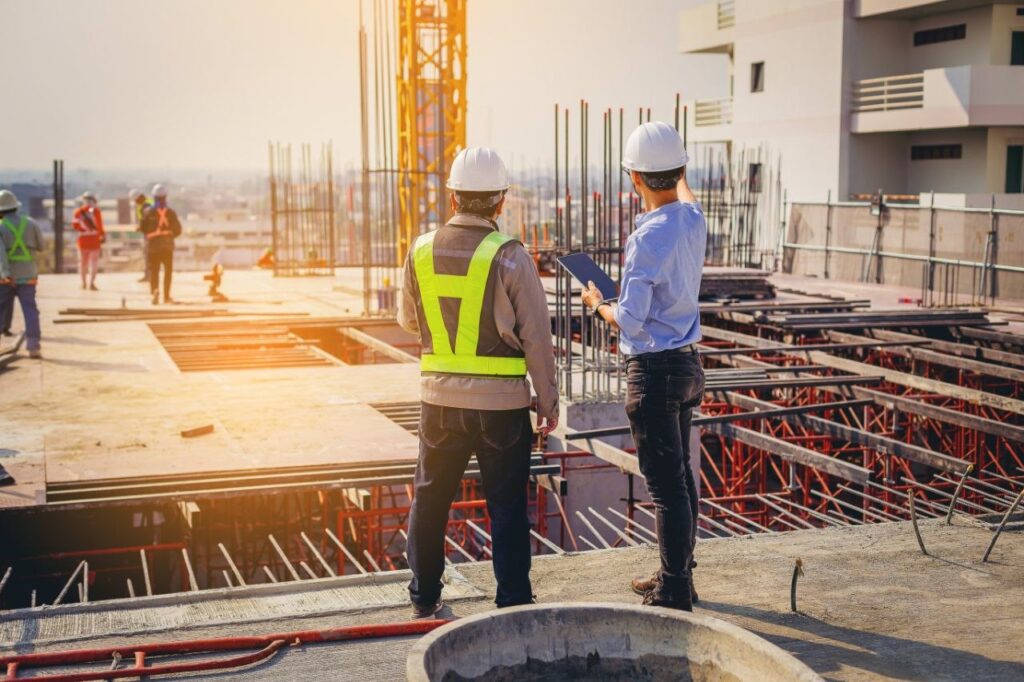
अब सोचिए, दुनिया में construction रुक नहीं सकता। गरीब देशों को housing चाहिए, roads चाहिए, schools चाहिए, hospitals चाहिए और infrastructure चाहिए। अगर हम कहें कि cement use करना बंद कर दो, तो यह practical solution नहीं होगा। असली solution है low-carbon cement बनाना, cement का efficient use करना, और जहां possible हो, alternative materials use करना। यही climate solution की complexity है। हमें development रोकनी नहीं है, उसे cleaner बनाना है।
स्टार्टअप्स और कार्बन कैप्चर की कोशिशें
Bill Gates cement के example से यह समझाते हैं कि green transition में सिर्फ इच्छाशक्ति काफी नहीं है। Technology चाहिए, scale चाहिए, और cost कम करनी होगी। कुछ startups carbon dioxide को concrete में lock करने की कोशिश कर रहे हैं। कुछ research समुद्री पानी, alternative binders और नए chemical processes पर काम कर रही है। Carbon capture भी एक option है, लेकिन cement जैसे sectors में यह महंगा हो सकता है। अगर low-carbon cement बहुत ज्यादा costly होगा, तो builders उसे adopt नहीं करेंगे। इसलिए यहां Green Premium कम करना जरूरी है।
भाग 4: स्टील – आधुनिक इकोनॉमी की हड्डियाँ
अब steel की कहानी देखिए। Steel modern economy की हड्डियों जैसा है। Buildings में steel, bridges में steel, cars में steel, railways में steel, machines में steel, ships में steel, और यहाँ तक कि renewable energy infrastructure में भी steel। Wind turbines, transmission towers और solar farms में भी steel की जरूरत होती है। यानी climate solution बनाने के लिए भी steel चाहिए।
ट्रेडिशनल स्टील प्रोडक्शन और कोयले की भूमिका
लेकिन traditional steel production में coal, खासकर coking coal, बहुत important role निभाता है। Steel बनाने की common process में iron ore से oxygen हटाने के लिए coke का इस्तेमाल होता है। High temperature पर coke carbon देता है, iron ore oxygen छोड़ता है, और reaction के बाद iron निकलता है। लेकिन इसी process में carbon dioxide भी बनती है। यही कारण है कि steel sector को de-carbonize करना कठिन है।
भारत के लिए स्टील और विकास की दोहरी चुनौती
IEA के Breakthrough Agenda में near-zero emission steel को, global market में preferred choice बनाने की जरूरत बताई गई है, ताकि 2030 तक production और efficient use हर region में बढ़ सके। Steel की difficulty यह है कि इसे सिर्फ replace करना आसान नहीं है। Wood, aluminum या composites कुछ cases में alternatives हो सकते हैंं, लेकिन हर जगह steel की strength, durability और cost का match नहीं मिलता। इसलिए solution steel को छोड़ना नहीं, steel को cleaner बनाना है। इसके लिए कई रास्ते discuss होते हैं—scrap recycling बढ़ाना, electric arc furnaces का use, hydrogen-based steelmaking, molten oxide electrolysis जैसी new technologies, और clean electricity का बड़े scale पर use। लेकिन हर solution की अपनी cost, infrastructure और technology challenge है। India जैसे देशों के लिए steel की कहानी और भी बड़ी है। India में infrastructure growth, housing, railways, manufacturing और urbanization के लिए steel demand बढ़नी है।
भाग 5: प्लास्टिक का पैराडॉक्स और रिसाइक्लिंग की जटिलता
Reuters की 2026 report के अनुसार, India steel sector की emissions intensity घटाने और capacity बढ़ाने दोनों पर planning कर रहा है, क्योंकि देश को विकास भी चाहिए और emissions भी कम करने हैं। यह दिखाता है कि developing economies के सामने दोहरा challenge है—production बढ़ाना भी है और उसे cleaner भी बनाना है। अब plastic की तरफ आते हैं। Plastic का नाम सुनते ही हमारे दिमाग में pollution की तस्वीर आती है—समुद्र में तैरती bottles, कूड़े में पड़े packets, जानवरों के पेट में पहुंचा waste, और microplastics की चिंता।
मैन्युफैक्चरिंग एनर्जी और फीडस्टॉक
Plastic की reputation पहले से खराब है, और बहुत हद तक सही वजहों से खराब है। लेकिन climate discussion में plastic की कहानी थोड़ी अलग है। Plastic fossil fuels से बनता है, लेकिन उसमें जो carbon use होता है, उसका बड़ा हिस्सा product में locked रहता है, जब तक वह जलाया न जाए या degrade न हो। फिर भी plastic production की supply chain emissions पैदा करती है। Our World in Data के अनुसार, plastics global greenhouse gas emissions का कुछ percent हिस्सा बनाते हैं, और plastic emissions का बड़ा हिस्सा production stage से आता है—यानी fossil fuels को plastic में बदलने की process से। इसका मतलब यह है कि plastic की climate problem सिर्फ waste नहीं, बल्कि manufacturing energy और feedstock से भी जुड़ी हुई है।
प्लास्टिक के उपयोगी पहलू और भविष्य के विचार
Plastic का दूसरा paradox यह है कि यह कई sectors में useful भी है। Medical equipment, food packaging, electronics, vehicles, insulation, pipes, clean water systems—हर जगह plastic किसी न किसी रूप में मौजूद है। कुछ plastic products food waste कम करते हैं, कुछ products vehicles को हल्का बनाकर fuel efficiency बढ़ाते हैं, और कुछ medical uses में life-saving होते हैं। इसलिए plastic पर discussion भी simple नहीं है। हर plastic bad नहीं, लेकिन single-use और unmanaged plastic waste बड़ी problem है। Climate perspective से plastic को clean बनाने के लिए heat और process energy को clean करना होगा। अगर plastic plants clean electricity, green hydrogen या carbon capture-based systems use करें, तो emissions घट सकते हैं। एक futuristic idea यह भी है कि fossil carbon की जगह, captured carbon dioxide या biomass-based carbon से plastic बनाया जाए।
भाग 6: भविष्य का निर्माण और इनविजिबल प्रोसेस एमीशन्स
लेकिन ये technologies अभी बड़े scale पर cheap और common नहीं हैं। इसलिए फिलहाल सबसे practical काम है—unnecessary plastic कम करना, recycling बेहतर करना, और waste management मजबूत बनाना। अब यहाँ एक common सवाल उठता है। अगर cement, steel और plastic इतने जरूरी हैं, तो क्या climate solution का मतलब modern life छोड़ देना है? नहीं। Bill Gates का message भी यही है कि zero emissions का मतलब development रोकना नहीं है। इसका मतलब है कि development को नए तरीके से design करना। हमें वही bridges चाहिए, लेकिन low-carbon materials से। हमें वही homes चाहिए, लेकिन energy-efficient और resource-efficient तरीके से। हमें वही machines चाहिए, लेकिन cleaner steel और cleaner manufacturing से। हमें packaging चाहिए, लेकिन wasteful और unnecessary plastic नहीं।
हाई टेम्परेचर हीट और डिमांड साइड सॉल्यूशन
Manufacturing sector की सबसे बड़ी challenge यह है कि इसमें high temperature heat की जरूरत होती है। कई industrial processes को 1000 degree Celsius से भी ऊपर की heat चाहिए। आज यह heat अक्सर fossil fuels जलाकर आती है। Electricity से इतनी high heat generate करना possible है, लेकिन कई जगह expensive और technically challenging है। Hydrogen एक option हो सकता है, लेकिन green hydrogen खुद clean electricity से बनेगा। यानी फिर बात वापस electricity पर आती है। यही वजह है कि Part 2 और Part 3 जुड़े हुए हैं। Clean manufacturing के लिए clean electricity की जरूरत पड़ेगी। लेकिन सिर्फ supply side solution काफी नहीं है। Demand side भी जरूरी है। हमें यह पूछना होगा कि क्या हर building में उतना ही cement चाहिए जितना हम आज use कर रहे हैं? क्या design smarter हो सकता है? क्या recycled steel ज्यादा use हो सकता है? क्या products repairable और long-lasting बनाए जा सकते हैं? क्या packaging कम की जा सकती है? क्या construction waste को reuse किया जा सकता है? ये छोटे सवाल लगते हैं, लेकिन large scale पर इनका असर बड़ा हो सकता है।
सप्लाई चेन की गहराई और अगला पड़ाव
कम material use करना climate action का underrated तरीका है। अगर engineer design में optimization करे, architect unnecessary concrete कम करे, builder recycled material use करे, consumer durable products खरीदे, और government green building standards बनाए, तो emissions कम हो सकते हैं। यह technology breakthrough जितना glamorous नहीं लगता, लेकिन practical है। हर ton cement या steel जिसे हम avoid कर देते हैं, वह emissions बचा सकता है। Recycling भी important है, खासकर steel और plastic के लिए। Steel को बार-बार recycle किया जा सकता है, और scrap-based steelmaking emissions कम कर सकती है, खासकर जब electricity clean हो। Plastic recycling ज्यादा complex है, क्योंकि अलग-अलग types के plastic होते हैं, contamination होती है, और economics हमेशा favorable नहीं होती। फिर भी better collection, sorting और recycling systems plastic waste और emissions दोनों को कम कर सकते हैं। Wood और engineered timber जैसे materials भी कुछ construction में alternatives बन सकते हैं। Laminated wood या mass timber कई buildings में concrete और steel का partial replacement हो सकता है। लेकिन यहां भी careful planning चाहिए। अगर forests sustainably managed नहीं हैं, तो wood solution भी environmental problem बन सकता है। इसलिए climate solution में कोई भी material automatically perfect नहीं होता। हर solution को lifecycle के हिसाब से समझना होगा। अब इस पूरी कहानी का human side देखिए। जब कोई गरीब परिवार पक्का घर बनाना चाहता है, तो वह cement और steel से ही बनता है। जब कोई country flood से बचने के लिए dam बनाती है, तो concrete चाहिए। जब कोई village road मांगता है, तो materials चाहिए। जब कोई hospital बनता है, तो steel, cement, plastic सब लगते हैं। इसलिए climate policy अगर सिर्फ यह कहे कि materials कम use करो, तो गरीब और developing regions के लिए यह unfair हो सकता है। सही रास्ता यह है कि rich countries innovation में lead लें, clean technologies को सस्ता बनाएं, और developing countries को affordable options उपलब्ध हों। Bill Gates की thinking का एक बड़ा हिस्सा innovation पर आधारित है। वह मानते हैं कि हमें ऐसे breakthroughs चाहिए जो clean cement, clean steel और clean industrial heat को affordable बना दें। लेकिन breakthroughs market में अपने आप नहीं आते। Research funding, government procurement, carbon standards, green public projects और private investment, इन सबकी जरूरत होती है। अगर governments low-carbon cement और steel खरीदने का commitment दें, तो companies को production scale करने का confidence मिलता है। इस sector में carbon capture की भूमिका भी important हो सकती है। कुछ emissions ऐसे हैं जिन्हें avoid करना मुश्किल है, जैसे cement process emissions। वहां carbon capture useful हो सकता है। लेकिन इसे cheap बनाना होगा और storage safe करनी होगी। Captured CO₂ को underground store करना, pipeline infrastructure बनाना और monitoring करना आसान काम नहीं है। फिर भी hard-to-abate sectors में यह technology climate toolkit का हिस्सा बन सकती है। यहाँ एक और बात याद रखने लायक है। Climate solution के नाम पर हमें सिर्फ product की final image नहीं देखनी चाहिए। Electric car दिखने में clean लगती है, लेकिन उसकी battery, steel, aluminum और plastic कहाँ से आए? Solar panel clean electricity देता है, लेकिन उसे बनाने में glass, silicon, metals और industrial energy लगती है। Wind turbine clean power देता है, लेकिन उसमें steel और concrete का use होता है। इसका मतलब यह नहीं कि clean technologies बेकार हैं। इसका मतलब है कि पूरी supply chain को clean करना होगा। यही zero emissions की असली गहराई है। Zero का मतलब है कि हम हर hidden corner में emissions ढूंढें। Power plant, factory, mine, ship, truck, cement kiln, steel furnace, plastic plant—हर जगह। Climate disaster से बचने के लिए हमें सिर्फ दिखाई देने वाले smoke को नहीं, invisible process emissions को भी समझना होगा। पहले पार्ट में हमने देखा था कि greenhouse gases atmosphere में heat रोकती हैं और climate को unstable बनाती हैं। दूसरे पार्ट में हमने समझा कि electricity clean होगी तो कई sectors बदलेंगे। और इस तीसरे पार्ट में हमें पता चलता है कि दुनिया को बनाने वाली basic चीजें—cement, steel और plastic—खुद climate battle के बड़े मैदान हैं। अगर ये materials clean नहीं हुए, तो future की green economy भी पूरी तरह green नहीं होगी। लेकिन उम्मीद खत्म नहीं हुई है। Low-carbon cement पर experiments चल रहे हैं। Green steel पर projects announced हो रहे हैं। Plastic recycling और alternative feedstocks पर research हो रही है। Governments near-zero emission materials की definitions और standards पर काम कर रही हैं। IEA ने 2024 में near-zero और low-emissions steel, और cement की definitions को लेकर global discussion को आगे बढ़ाने की जरूरत बताई, ताकि markets में साफ signal जाए कि clean materials किसे कहा जाएगा। यह बदलाव आसान नहीं होगा, लेकिन जरूरी है। क्योंकि आने वाली दुनिया को भी buildings चाहिए होंगी, bridges चाहिए होंगे, hospitals चाहिए होंगे, factories चाहिए होंगी, और technology चाहिए होगी। सवाल यह नहीं है कि हम चीजें बनाना बंद कर दें। सवाल यह है कि क्या हम चीजें ऐसे बना सकते हैं, जिससे planet टूटे नहीं। और अब कहानी अगले मोड़ पर पहुंचती है। Electricity और manufacturing के बाद climate emissions का एक और बड़ा हिस्सा आता है, जो हमारी plate से जुड़ा है। हम क्या खाते हैं, कैसे उगाते हैं, animals कैसे पालते हैं, fertilizer कैसे बनता है, और food waste कितना होता है—ये सब climate disaster की कहानी में गहरा role निभाते हैं। अगले पार्ट में जिज्ञासा यहीं से शुरू होगी। क्योंकि अगर cement और steel की emissions hidden हैं, तो food system की emissions और भी ज्यादा surprising हैं। क्या हमारी थाली भी climate change से जुड़ी है? और क्या खेती को बचाते-बचाते हमें climate को भी बचाना होगा? कल्पना कीजिए, हम एक ऊंची building, मजबूत bridge या चमकती car देखते हैं और उसे development मानते हैं। लेकिन उसी विकास के पीछे cement, steel और plastic की ऐसी कहानी छिपी है, जो climate change को तेज कर रही है। डर यहीं से शुरू होता है, क्योंकि इन materials को बनाने में दुनिया के carbon emissions का बड़ा हिस्सा निकलता है। Cement बनाते समय limestone जलता है, steel के लिए coke और iron ore जलते हैं, और plastic fossil fuels से बनता है। जिज्ञासा यह है कि क्या modern दुनिया को बनाए रखते हुए emissions कम किए जा सकते हैं? Cement में carbon वापस डालने, seawater से cement बनाने और steel में molten oxide electrolysis जैसी technologies उम्मीद देती हैं। Plastic की कहानी अलग है। वह carbon को product में रोकता है, लेकिन pollution और waste की बड़ी समस्या पैदा करता है। Clean electricity, hydrogen heating और carbon capture इसे बदल सकते हैं। लेकिन सबसे अहम मोड़ तब आता है, जब सवाल उठता है—क्या नई technology आने तक हम कम material, recycling और eco-friendly alternatives अपनाएंगे? पूरी सच्चाई जानने के लिए description में दिए लिंक पर क्लिक कर अभी पूरी वीडियो देखें।!
अगर हमारे आर्टिकल ने आपको कुछ नया सिखाया हो, तो इसे शेयर करना न भूलें, ताकि यह महत्वपूर्ण जानकारी और लोगों तक पहुँच सके। आपके सुझाव और सवाल हमारे लिए बेहद अहम हैं, इसलिए उन्हें कमेंट सेक्शन में जरूर साझा करें। आपकी प्रतिक्रियाएं हमें बेहतर बनाने में मदद करती हैं।
GRT Business विभिन्न समाचार एजेंसियों, जनमत और सार्वजनिक स्रोतों से जानकारी लेकर आपके लिए सटीक और सत्यापित कंटेंट प्रस्तुत करने का प्रयास करता है। हालांकि, किसी भी त्रुटि या विवाद के लिए हम जिम्मेदार नहीं हैं। हमारा उद्देश्य आपके ज्ञान को बढ़ाना और आपको सही तथ्यों से अवगत कराना है।
अधिक जानकारी के लिए आप हमारे GRT Business Youtube चैनल पर भी विजिट कर सकते हैं। धन्यवाद!