


Part 1: Introduction and Software Industry Dynamics


Part-4 में हमने देखा था कि हर industry का अपना hidden DNA होता है।
Healthcare में patent और regulation का खेल है, restaurants में popularity और margins का, banks में trust और risk का। Investing
हमने यह भी समझा कि same profit, same growth और same P/E ratio अलग-अलग industries में अलग meaning रख सकते हैं।
Industry की gravity company को ऊपर भी उठा सकती है और नीचे भी खींच सकती है।
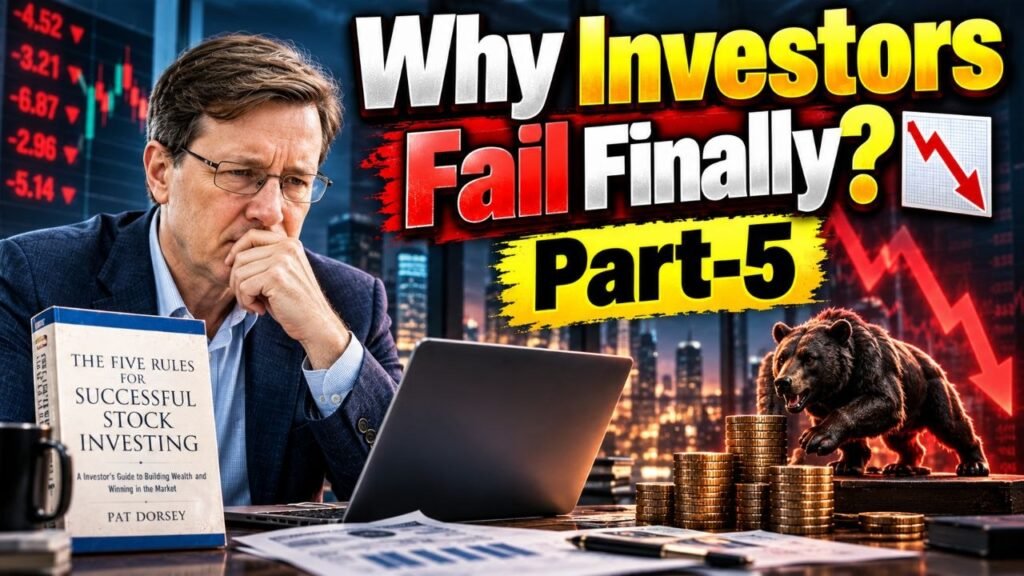
लेकिन Part-4 ने आखिरी सवाल छोड़ा था। अगर industry अच्छी हो लेकिन company weak हो, या industry tough हो लेकिन stock cheap दिखे, तो investor final decision कैसे ले?
अब imagine कीजिए, एक investor आखिरी बार अपनी watchlist खोलता है। एक तरफ software company है, जिसकी technology future जैसी लगती है। Investing
दूसरी तरफ consumer goods company है, जिसकी products उसके घर में रोज इस्तेमाल होती हैं। Investing
तीसरी तरफ telecom company है, जिसके बिना modern life रुक जाएगी।
चौथी तरफ media company है, जिसका content अभी हर जगह trend कर रहा है। लेकिन इनमें wealth कौन बनाएगा?
यहीं series का final mystery शुरू होता है। सबसे जरूरी बात यह नहीं कि business exciting है या boring। असली बात यह है कि कौन सा business cash बचा सकता है, moat टिकाए रख सकता है, और सही price पर मिल रहा है। Investing
Part-1 से अब तक journey यही रही है। पहले हमने सीखा कि stock ticker नहीं, business होता है। फिर statements पढ़े, management test किया, value समझी और industry DNA देखा।
अब last part में यह सब एक final lens में जुड़ता है। क्योंकि market में सबसे बड़ा trap वही होता है, जहां technology, trend या brand investor को analysis से दूर कर देते हैं। Investing
Software Business Economics and Monopolies
सबसे पहले software industry को देखिए। यह दुनिया बाहर से magical लगती है। Product एक बार बन गया, फिर internet के through millions users तक deliver हो सकता है।
Software में creation cost बहुत high हो सकती है। Engineers, research, product design और development में पैसा लगता है। लेकिन production cost कई बार बहुत low होती है। Investing
यानी एक extra copy बेचने में factory, truck या raw material की जरूरत नहीं पड़ती। यही reason है कि successful software companies huge margins बना सकती हैं। Investing
लेकिन low production cost अपने आप moat नहीं बनाती। अगर customer आसानी से switch कर सकता है, तो cheap delivery के बावजूद profit टिकाऊ नहीं रहेगा। Investing
Operating systems का example देखिए। किताब के समय Microsoft Windows desktop computers में बेहद dominant था, कई estimates में उसका share 90 percent से ज्यादा माना जाता था।
Linux servers में popular होता गया, लेकिन कई distributions free available होने के कारण direct monetization हमेशा simple नहीं रही। Technology powerful थी, पर business model अलग challenge लेकर आया। Investing
Tech Moats, Gaming, and Software Risks
Database market में Oracle, IBM और Microsoft जैसे players लंबे समय तक important रहे।
Oracle की technology मजबूत मानी गई, लेकिन IBM और Microsoft pricing और customer relationship में powerful थे। Investing
यहां hidden lesson है। Best technology हमेशा best investment नहीं होती। Customer adoption, switching cost, distribution, pricing और ecosystem भी उतने ही जरूरी हैं। Investing
Video game sector में Electronic Arts जैसे names historical रूप से strong रहे। लेकिन gaming business hit-driven भी हो सकता है, जहां एक successful title सब बदल देता है।
अगर game flop हुआ, तो development cost वापस लाना मुश्किल हो सकता है। लेकिन अगर strong franchises, loyal users और repeat releases हों, तो business अधिक predictable हो सकता है।
इसलिए software में investor को सबसे चमकदार product नहीं, सबसे टिकाऊ economics ढूंढनी चाहिए। Growth के chances अच्छे हैं या सिर्फ hype है, यह फर्क पकड़ना जरूरी है।
Good software moat recurring revenue, high switching cost, ecosystem lock-in, customer data और mission-critical use से बन सकती है। लेकिन fast technology change इसे कमजोर भी कर सकता है। Investing
यही contradiction software को exciting और dangerous दोनों बनाता है। एक winner सालों तक compound कर सकता है, लेकिन weak player quickly irrelevant भी हो सकता है। Investing
Part 2: Hardware, Media, and Telecom Sectors

अब hardware sector में आते हैं। यहां game software से अलग है। अगर आपने कभी computer खरीदा है, तो आपने एक अजीब बात जरूर notice की होगी।
आज जो machine expensive और latest लगती है, कुछ महीनों बाद कम price में उससे बेहतर model आ जाता है। Consumer खुश होता है, लेकिन producer की pricing power pressure में आ जाती है।Hardware में competition brutal हो सकता है। Components improve होते हैं, prices fall करते हैं, और companies को continuously innovate करना पड़ता है सिर्फ race में बने रहने के लिए।
इसलिए hardware में economic moat ढूंढना software से ज्यादा मुश्किल हो सकता है। Product tangible है, comparison easy is, और customer price-sensitive हो सकता है।
किताब में Dell जैसे low-cost model का example आता है। Direct selling, efficient supply chain और cost advantage ने एक समय Dell को strong position दी। Investing
लेकिन low cost advantage भी permanent नहीं होता। Competitors सीखते हैं, supply chains copy होती हैं, technology shift होती है, और margin फिर compress होने लगते हैं।
Hardware investor को पूछना चाहिए, company सिर्फ बेहतर machine बेच रही है या उसके पास real competitive advantage है? Cost, distribution, service या ecosystem में कौन सी रक्षा दीवार है?
Media Sector and Long-Term Value
अब media sector की तरफ चलते हैं। यह sector long-term investor के लिए interesting हो सकता है, क्योंकि strong media businesses लगातार cash flow generate कर सकते हैं।
लेकिन media में भी सबसे बड़ा trap popularity है। कोई show, channel, celebrity या platform अभी hit हो, इसका मतलब यह नहीं कि company का long-term economics strong है।
अगर investor सिर्फ सुन-सुनाकर पैसा लगाता है, या trend देखकर खरीदता है, तो वह business नहीं, public excitement खरीद रहा होता है।
Media moat content library, distribution rights, advertising relationships, subscription base, brand trust और audience habit से बन सकती है। लेकिन ये moat भी technology से challenge हो सकती है।
Today streaming, digital ads, social platforms और creator economy ने media business को बदल दिया है। लेकिन Dorsey का core lesson वही रहता है, cash flow देखो।
अगर media company consistently cash generate कर रही है, balance sheet clean है, और content या distribution advantage टिकाऊ है, तभी कहानी serious बनती है।
लेकिन अगर company growth के नाम पर बहुत debt ले रही है, content पर uncontrolled खर्च कर रही है, और cash flow weak है, तो trend के पीछे risk छिपा हो सकता है। Investing
Telecom Paradox and Debt Risks
अब telecom sector को देखिए। यह paradox वाला sector है। हमारे phones, internet, businesses और communication telecom के बिना अधूरे हैं, फिर भी investor returns अक्सर average रह सकते हैं।
क्योंकि important service होना और great investment होना दो अलग बातें हैं। हर जरूरी product shareholder को great return दे, यह जरूरी नहीं।
Telecom companies के economic moats अक्सर कमजोर होते हैं, क्योंकि कई markets में competition price के base पर होता है। Customer cheaper plan देखकर provider बदल सकता है।
Future में technology changes telecom को और unpredictable बना सकते हैं। Network upgrades, spectrum cost, new standards और competitive pricing लगातार capital demand करते हैं।
Telecom capital-intensive business है। Towers, fiber, spectrum, equipment और network expansion में भारी पैसा लगता है। Growth दिखती है, लेकिन cash flow दब सकता है।
Debt यहां खास risk बन जाता है। Network build करते समय companies कर्ज लेती हैं, और अगर revenue उम्मीद के मुताबिक न आए, तो balance sheet pressure में आ जाती है।
Telecom companies अक्सर rivals के price पर नजर रखकर plans बनाती हैं। Price war में customer तो खुश होता है, लेकिन industry profit कमजोर हो सकता है। Investing
इसलिए telecom में investor को सिर्फ subscriber growth नहीं देखनी चाहिए। Average revenue, debt, capital expenditure, churn और pricing discipline भी उतने ही important हैं।
Telecom economy के लिए backbone हो सकता है, लेकिन portfolio के लिए tricky business बन सकता है। यही stock market का uncomfortable सच है।
Part 3: Consumer Goods and Valuation Rules

अब consumer goods की दुनिया में चलते हैं, जहां mystery हमारी रोजमर्रा की जिंदगी में छिपी है। एक बार अपना fridge, kitchen shelf या bathroom drawer खोलकर देखिए।
Toothpaste, soap, shampoo, snacks, cooking items, packaged food, household cleaners, personal care products, ये सब consumer goods की दुनिया का हिस्सा हैं। Investing
ये industry economy से बहुत तेज grow नहीं करती। लोग अचानक दोगुना toothpaste use नहीं करने लगते। फिर भी यह sector long-term investors के लिए powerful हो सकता है।
क्योंकि strong consumer goods companies habit बेचती हैं। Customer हर महीने वही brand उठाता है, बिना ज्यादा सोचे। यही repeat behavior business को stability देता है।यहां moat brand, distribution और advertising से बनती है। अगर product हर दुकान पर available है और customer name पर trust करता है, तो competitor के लिए entry मुश्किल होती है।
Consumer Brands and Cash Flow Utilization
लेकिन सिर्फ brand name काफी नहीं। Company लगातार अच्छे products ला रही है या नहीं, advertising effective है या नहीं, और market share बचा रही है या नहीं, यह भी देखना होगा।
Consumer goods companies strong cash flow बना सकती हैं, क्योंकि demand steady होती है। लेकिन investor को देखना चाहिए कि यह cash wisely use हो रहा है या wasteful acquisitions में जा रहा है।
Margin of Safety and Series Recap
और finally, यहां Dorsey फिर margin of safety की तरफ लौटते हैं। Good business भी bad investment बन सकता है, अगर आपने उसे बहुत महंगे price पर खरीदा।
इसलिए best return और risk कम करने के लिए कम से कम 20 से 30 percent safety margin रखना समझदारी हो सकती है। यह आपके estimation errors के against cushion देता है।
अब पूरी series की सबसे बड़ी revelation सामने आती है। Successful stock investing किसी secret tip, magical ratio या perfect prediction का game नहीं है।
यह एक process है। Business समझो, financial statements पढ़ो, cash flow verify करो,
management का character देखो, industry economics समझो, intrinsic value estimate करो, और price में safety रखो।
Part-1 ने हमें बताया था कि stock market में पहला सच ownership है। आप ticker नहीं खरीदते, आप business का हिस्सा खरीदते हैं। Investing
Part-2 ने सिखाया कि company की असली भाषा cash flow, income statement और balance sheet में छिपी होती है। Profit दिखना और cash आना same बात नहीं है।
Part-3 ने हमें management और intrinsic value तक पहुंचाया। अच्छे numbers के पीछे गलत people हों, तो business धीरे-धीरे shareholder value खा सकता है।
Part-4 ने industry का hidden DNA दिखाया। Healthcare, restaurants, business services और banks ने बताया कि हर sector के rules अलग होते हैं।
और Part-5 ने final map complete किया। Software में switching cost, hardware में cost advantage,
media में cash flow, telecom में debt risk, और consumer goods में brand habit की कहानी दिखी।
Part 4: Deep Analysis and Investor Mindset

अब investor को समझ आता है कि कोई company सिर्फ इसलिए अच्छी नहीं हो जाती क्योंकि उसका product famous है, technology advanced है, या sector future-ready लगता है।
असली सवाल हमेशा deeper होता है। क्या यह business cash generate करेगा? क्या competitors इसे attack कर पाएंगे? क्या management ईमानदार और capable है? क्या price समझदारी वाला है? Investing
अगर इन सवालों का जवाब आपके पास नहीं है, तो investment अभी भी guess है। And guess चाहे कितनी confidence से लगाया जाए, market में वह gamble ही रहता है।
Risk को completely खत्म नहीं किया जा सकता। लेकिन उसे समझा जा सकता है, measure किया जा सकता है, और सही price पर काफी हद तक reduce किया जा सकता है।
Serious Investor vs Beginner Perspective
यही disciplined investing का difference है। Beginner price movement देखता है। Serious investor business movement देखता है। Investing
Beginner excitement खरीदता है। Serious investor evidence खरीदता है।
इसका मतलब यह नहीं कि आपको हर industry का expert बनना पड़ेगा। इसका मतलब है कि आप अपनी समझ के circle में रहें और outside areas में humility रखें।
अगर biotech समझ नहीं आती, तो सिर्फ excitement में मत कूदिए। अगर banks की balance sheet नहीं पढ़ सकते, तो सिर्फ low P/E देखकर खुश मत होइए। Investing
The Circle of Competence and Formulas
अगर software की switching cost समझ नहीं आती, तो सिर्फ AI, cloud या app शब्द देखकर stock मत खरीदिए। Trend real हो सकता है, लेकिन valuation फिर भी dangerous हो सकती है।
Good investment का final formula simple है, लेकिन easy नहीं। Good business, good management, good industry economics, good cash flow, and good price.
इनमें से एक भी piece missing हो, तो story कमजोर हो सकती है। और अगर price में margin of safety नहीं है, तो great company भी disappointing return दे सकती है।
Part 5: Transformation and Final Truths


अब वही investor फिर से अपनी screen देखता है, जिससे Part-1 में कहानी शुरू हुई थी। पहले वह green candle देखकर buy करने वाला था, अब वह सवाल पूछ रहा है।
अब वह पूछता है, यह business पैसा कैसे बनाता है? Growth कहाँ से आ रही है? Cash flow सच बोल रहा है? Debt कितना भारी है? Management किसके लिए काम कर रहा है?
अब वह यह भी पूछता है कि अगर मैं गलत हुआ तो क्या होगा। यही सवाल उसे panic buyer से thoughtful investor बनाता है।Stock market तब casino लगता है जब investor बिना research के enter करता है। वही market business school बन जाता है, जब investor सीखकर, सोचकर और discipline से decision लेता है।
Noise vs Opportunity in the Market
Pat Dorsey की पूरी सीख का essence यही है। Investing में पैसा सिर्फ return chase करने से नहीं बनता, बल्कि risk को समझकर सही opportunity चुनने से बनता है।
Final truth यह है कि market आपको रोज आवाज देगा, लेकिन हर आवाज opportunity नहीं होती। कुछ आवाजें सिर्फ noise होती हैं, कुछ stories सिर्फ packaging होती हैं।
आपका काम हर stock खरीदना नहीं है। आपका काम उन कुछ businesses को पहचानना है, जिन्हें आप समझते हैं, जिनकी value price से ऊपर है, और जिनमें patience reward बन सकता है। Investing
Successful Investing as a Wealth Journey
क्योंकि successful investing का असली राज तेज भागने में नहीं, सही जगह रुकने में है। और जब investor यह सीख लेता है, तभी stock market डर नहीं, एक सोच-समझकर बनाई गई wealth journey बन जाता है।
Part 6: Core Takeaways and Final Summary

एक investor सिर्फ ये देखकर excited हो जाता है कि company software, gaming या telecom में है। लेकिन technology की चमक के पीछे एक ऐसा trap छिपा हो सकता है, जो return को quietly खा जाता है।
Pat Dorsey बताते हैं, software बनाना महंगा है, पर deliver करना सस्ता। Windows 90% से ज्यादा computers में है, Linux servers में बढ़ रहा है, लेकिन free distribution से पैसा कमाना मुश्किल हो सकता है। Investing
Sector Analysis Summary
Hardware में problem और तेज है। आज का computer कल सस्ता और बेहतर हो सकता है। इसलिए Dell जैसी low-cost companies में advantage दिख सकता है, लेकिन हर चमकती technology durable moat नहीं बनाती।
Media में cash flow और balance sheet देखनी पड़ती है। Telecom में return अक्सर average होता है, moat कमजोर होते हैं और network बनाने में भारी capital लगता है।
Margin of Safety and Call to Action
फिर consumer goods आते हैं, जो रोज हमारे fridge और bathroom drawer में दिखते हैं। लेकिन असली twist 20 से 30 percent safety margin पर अटकता है। पूरी सच्चाई जानने के लिए discription में दिए लिंक पर क्लिक कर अभी पूरी वीडियो देखें।!
अगर हमारे आर्टिकल ने आपको कुछ नया सिखाया हो, तो इसे शेयर करना न भूलें, ताकि यह महत्वपूर्ण जानकारी और लोगों तक पहुँच सके। आपके सुझाव और सवाल हमारे लिए बेहद अहम हैं, इसलिए उन्हें कमेंट सेक्शन में जरूर साझा करें। आपकी प्रतिक्रियाएं हमें बेहतर बनाने में मदद करती हैं।
GRT Business विभिन्न समाचार एजेंसियों, जनमत और सार्वजनिक स्रोतों से जानकारी लेकर आपके लिए सटीक और सत्यापित कंटेंट प्रस्तुत करने का प्रयास करता है। हालांकि, किसी भी त्रुटि या विवाद के लिए हम जिम्मेदार नहीं हैं। हमारा उद्देश्य आपके ज्ञान को बढ़ाना और आपको सही तथ्यों से अवगत कराना है।
अधिक जानकारी के लिए आप हमारे GRT Business Youtube चैनल पर भी विजिट कर सकते हैं।
धन्यवाद!