


भारत बनाम चीन: भविष्य की औद्योगिक दौड़ और हार्ष गोएनका का तीखा सवाल

भारत की दिशा पर एक बड़ा आर्थिक सवाल
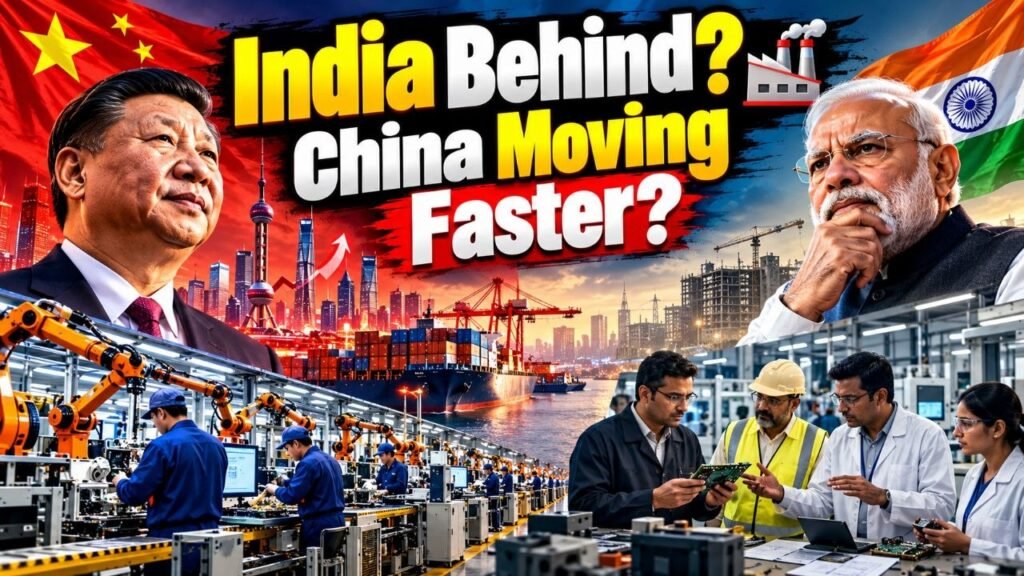
चीन Future Industries बना रहा है, भारत क्या बना रहा है? सोचिए, एक तरफ कोई देश rare earths, batteries, EVs, robots, semiconductors और advanced manufacturing पर quietly control बना रहा है। और दूसरी तरफ हमारे business headlines में bottled water, ice cream, snacks, packaged food और instant delivery जैसे consumer ideas बार-बार चमक रहे हैं। अब सवाल यह नहीं कि ice cream या delivery business खराब हैं। सवाल यह है कि 20 साल बाद दुनिया को चलाने वाली असली technology किसके हाथ में होगी? Industries यहीं RPG Group के chairman Harsh Goenka का एक तीखा सवाल Indian business world के बीच चर्चा बन गया। उन्होंने X पर लिखा कि China उन industries में dominance बना रहा है जो अगले 20 साल define करेंगी, जबकि India में कई businesses softer consumer opportunities के पीछे भाग रहे हैं। अब यह बात सिर्फ एक social media comment नहीं है। यह भारत की economic direction पर बड़ा सवाल है। क्या हम future की deep technologies बना रहे हैं, या सिर्फ आज के consumer comfort को तेज और चमकदार बना रहे हैं? और सबसे बड़ा सवाल, अगर दुनिया की अगली industrial race chips, magnets, batteries और robots पर होगी, तो India उसमें creator बनेगा या buyer? अगर आपको ऐसे Business और Economy explainers पसंद आते हैं, तो video को Like कर दीजिए और Channel Subscribe कर लीजिए, क्योंकि असली कहानी बयान से कहीं गहरी है। Industries
कंज्यूमर कन्वीनियंस बनाम हार्ड इंडस्ट्रीज का रणनीतिक अंतर
सबसे पहले Goenka के point को simple भाषा में समझिए। उनका निशाना किसी एक company या sector पर नहीं था। उनका सवाल यह था कि Indian capital, talent और entrepreneurial energy किस direction में जा रही है। China rare earth magnets, EV batteries, robotics और semiconductors जैसी hard industries में ecosystem बना रहा है। India में भी बहुत काम हो रहा है, लेकिन बहुत सा visible startup excitement consumer-facing businesses में दिखता है। यानी एक तरफ future की मशीनों के अंदर लगने वाले components हैं। दूसरी तरफ consumer की doorstep convenience है। दोनों जरूरी हो सकते हैं, लेकिन दोनों का strategic value एक जैसा नहीं होता। अगर कोई company ice cream बेचती है, तो वह पैसा कमा सकती है, jobs दे सकती है और brand बना सकती है। लेकिन अगर कोई country rare earth magnets, battery cells या semiconductor tools में strong हो जाए, तो वह पूरी global supply chain में power हासिल कर सकती है। यहीं से China की strategy समझ आती है। China सिर्फ final product बनाने तक सीमित नहीं रहना चाहता। वह raw material, processing, components, manufacturing और पूरा ecosystem अपने control में रखना चाहता है। Industries
चुंबक और सेमीकंडक्टर की असली ताकत, और चीन का इकोसिस्टम मॉडल
मैग्नेट, चिप्स और डिपेंडेंसी की असली जंग
Harsh Goenka ने JL MAG का example दिया, जो China की rare earth magnet company है। Reports के मुताबिक यह company high-performance rare-earth magnets में strong position रखती है और humanoid robots के components तक आगे बढ़ रही है। अब rare earth magnet सुनने में technical लगता है, लेकिन इसकी importance बहुत simple है। EV motor, wind turbine, industrial robot, drone, air conditioner, precision machine और humanoid robot, इन सबमें magnets critical role निभा सकते हैं। यानी जो चीज छोटी दिखती है, वही future machines की muscle बन सकती है। अगर magnet आपका नहीं, battery आपका नहीं, chip आपका नहीं, और machine tool आपका नहीं, तो final product assemble करना भी dependency से भरा रहेगा। अब इसे smartphone example से समझिए। अगर phone India में assemble होता है, तो headline अच्छी लगती है। लेकिन अगर chip बाहर से आती है, display बाहर से आता है, sensor बाहर से आता है, battery chemistry बाहर से आती है, और design IP भी बाहर का है, तो value का बड़ा हिस्सा बाहर चला जाता है। Assembly जरूरी है, लेकिन industrial power का पहला पड़ाव है, आखिरी नहीं। Real power तब आती है जब country design, material, machine, component और process knowledge भी own करे। Industries
चीन का इकोसिस्टम और भारत की सॉफ्टवेयर स्ट्रेंथ
China ने यही समझा। उसने factory को अकेली building नहीं माना। उसने factory के आसपास supplier network, ports, power, logistics, skilled workforce, finance, local government support और export discipline जोड़ा। यानी ecosystem बनाया। और ecosystem एक दिन में नहीं बनता। इसके लिए सालों तक capital, patience, policy और painful learning चाहिए। अब India की तरफ देखिए। हमारे पास young population है, engineers हैं, I T talent है, domestic market है, और entrepreneurship energy भी है।Digital payments, U P I, software services, startups, consumer internet और space technology में India ने real success दिखाई है। लेकिन Goenka का सवाल वहीं चुभता है। क्या यह enough है? क्योंकि services economy में भारत ने कमाल किया, लेकिन manufacturing depth में gap अभी भी visible है। Software industry ने jobs और exports दिए, लेकिन उसका बड़ा हिस्सा labor-cost arbitrage पर आधारित रहा। मतलब skilled Indian talent global companies के लिए cost-effective services देता रहा। यह achievement छोटी नहीं है। लेकिन question यह है कि क्या हम underlying platforms, chips, operating systems, AI infrastructure और industrial hardware भी बना रहे हैं? Industries
पॉलिसी पुश, प्राइवेट कैपिटल के इंसेंटिव्स और चीन मॉडल की कीमत
पॉलिसी पुश और ग्लोबल सप्लाई चेन की वास्तविकता
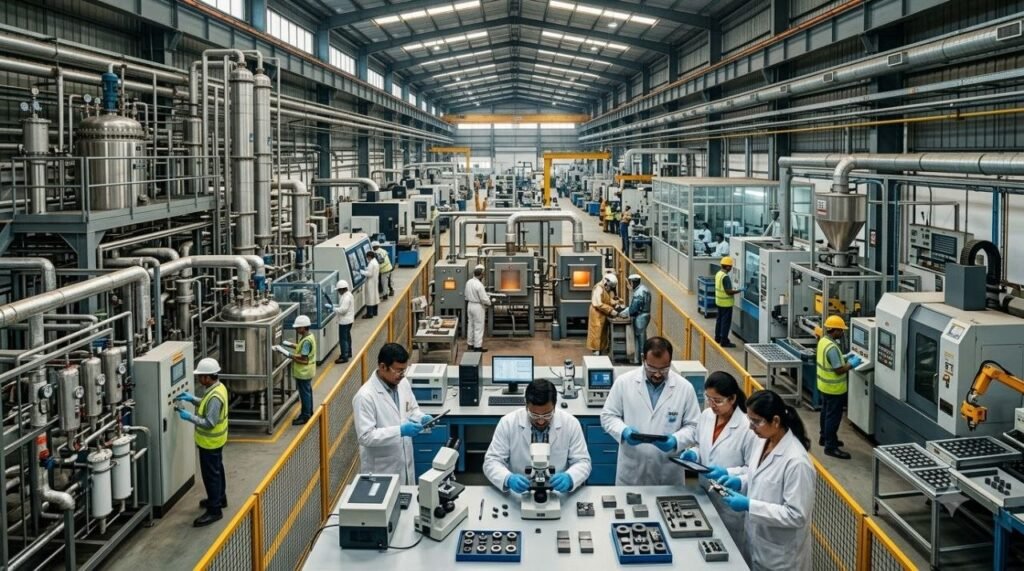
अब यहां fair balance जरूरी है। India को सिर्फ criticize करना आसान है, लेकिन पूरी picture उससे बड़ी है। Make in India, PLI schemes, semiconductor mission, electronics manufacturing और defence production जैसे क्षेत्रों में policy push हुआ है। Apple supply chain का हिस्सा India में बढ़ा है, mobile phone exports बढ़े हैं, EV और battery ecosystem पर काम हो रहा है। India China Plus One strategy से फायदा लेने की कोशिश भी कर रहा है। कई global companies China dependency कम करने के लिए India, Vietnam, Mexico और दूसरे देशों को देख रही हैं। लेकिन global supply chain में जगह मिलने और global supply chain control करने में बहुत फर्क है। किसी product को बनाना एक level है। उसके critical technology को own करना दूसरा level है। और पूरे ecosystem को control करना तीसरा level है। China कई sectors में तीसरे level तक पहुंचने की कोशिश कर रहा है। India अभी कई क्षेत्रों में पहले और दूसरे level के बीच संघर्ष कर रहा है। Industries
प्राइवेट कैपिटल के इंसेंटिव्स और चीन मॉडल की सीमाएं
अब सवाल आता है, Indian business consumer sectors की तरफ ज्यादा क्यों जाता है? इसका जवाब सिर्फ greed नहीं है। यह incentives की कहानी है। Consumer brand बनाना कई बार faster return देता है। Ice cream, snacks, delivery, packaged food, D2C brands में market visible है। Investor को growth numbers जल्दी दिखते हैं। Customer demand तुरंत मिलती है। Marketing से scale बन सकता है। Industries लेकिन semiconductor fab, advanced battery chemistry, robotics actuator, machine tools या rare earth refining में return slow है। इन fields में पैसा लगाकर 2 साल में viral brand नहीं बनता। यहां 10 से 15 साल की industrial patience चाहिए। यहाँ failure भी महंगा होता है। अब इसका मतलब यह नहीं कि consumer businesses बेकार हैं। वे economy का हिस्सा हैं। Industries Problem तब आती है जब पूरा entrepreneurial imagination सिर्फ convenience, consumption और quick commerce में सीमित होने लगे। अब China की तारीफ करते हुए एक बात भूलनी नहीं चाहिए। China model की अपनी costs भी हैं। Heavy state support, debt, overcapacity, environmental damage और geopolitical pushback जैसी challenges भी साथ आई हैं। Industries
लोकतंत्र, लालफीताशाही और क्रिटिकल टेक्नोलॉजी की सुरक्षा जंग
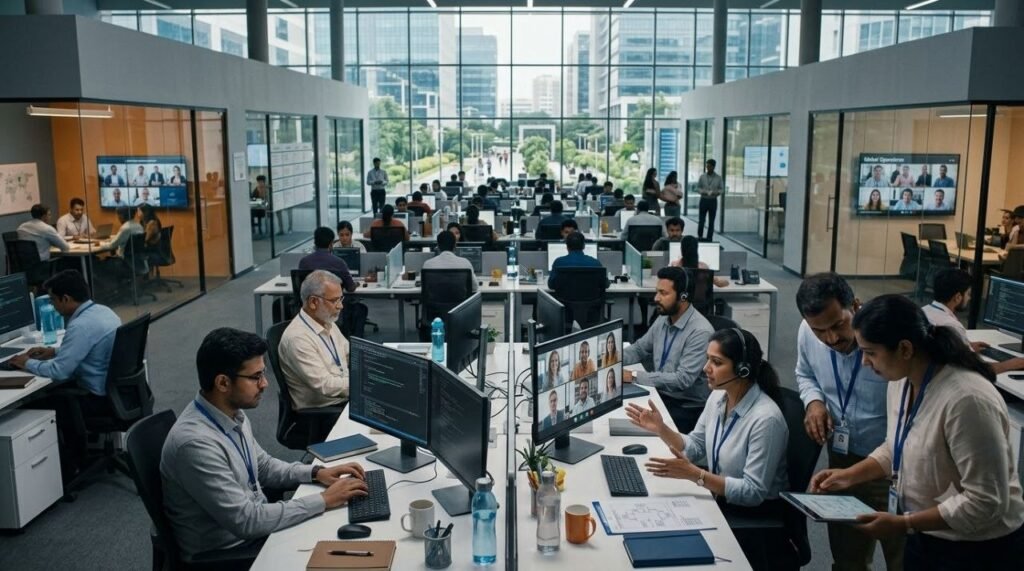
लोकतांत्रिक प्रक्रिया और मैन्युफैक्चरिंग की चुनौतियां
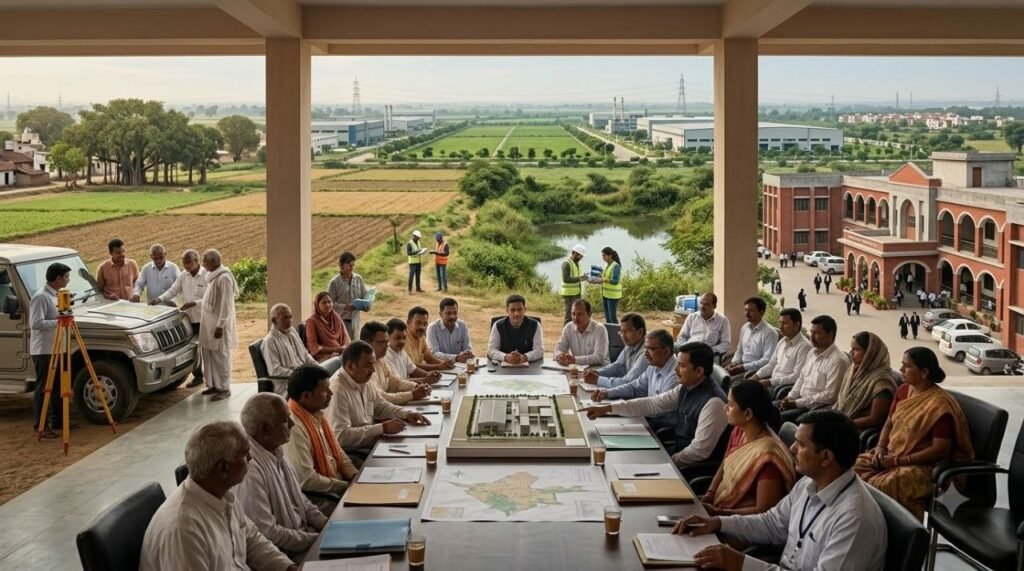
हर country China की तरह नहीं चल सकती, और India को China copy भी नहीं करना चाहिए। India लोकतंत्र है। यहां land acquisition, environment, courts, state politics, local communities और public consent important हैं। यह India की कमजोरी भी बन सकती है, और long-term strength भी। Weakness तब, जब हर project delays में फंस जाए। Strength तब, जब rules clear, fair और predictable हों। India को speed चाहिए, लेकिन accountability के साथ। Scale चाहिए, लेकिन community trust के साथ। Industries अब असली challenge है, Indian democracy को slow excuse न बनने देना। अगर approval process unpredictable रहेगा, contract enforcement कमजोर रहेगा, land records unclear रहेंगे और litigation लंबा चलेगा, तो deep manufacturing डरती रहेगी। क्योंकि hard industry में पैसा बहुत बड़ा लगता है और payback बहुत late आता है। Investor तभी आएगा जब उसे policy stability, infrastructure, skilled labor और reliable dispute resolution मिले। यहां government और private sector दोनों की responsibility है। Government को red tape कम करनी होगी, infrastructure मजबूत करना होगा, R&D support बढ़ाना होगा और long-term industrial finance देना होगा। Industries
क्रिटिकल टेक्नोलॉजी और सप्लाई चेन की नई लड़ाइयां
क्योंकि आने वाले समय में wars सिर्फ borders पर नहीं, supply chains में भी लड़ाइयां जाएंगी। जो country critical materials और technologies control करेगी, उसके पास economic leverage होगा। Rare earths इसका सबसे अच्छा example हैं। नाम rare earth है, लेकिन issue सिर्फ mining का नहीं है। Real challenge है processing, refining, metallurgy, magnet making और precision manufacturing। यानी जमीन से mineral निकालना एक बात है। उसे high-performance industrial component बनाना दूसरी बात है। Industries China ने कई decades तक इसी downstream chain पर काम किया। अगर दुनिया को EVs, wind turbines और robots चाहिए, तो magnets चाहिए। अगर magnets China से आते हैं, तो leverage China के पास है। Semiconductors में भी यही logic है। Chips modern economy का nervous system हैं। Car, phone, missile, data center, AI server, washing machine, medical device, हर जगह chips हैं। अगर chip supply disrupt हो जाए, तो factory भी रुक सकती है और defence भी प्रभावित हो सकता है। इसलिए semiconductor सिर्फ business नहीं, national security issue है। India ने semiconductor mission शुरू किया है, लेकिन इस race में entry late हुई है। Industries
भारत के लिए रोडमैप, प्रायोरिटी सेक्टर्स और माइंडसेट में बदलाव
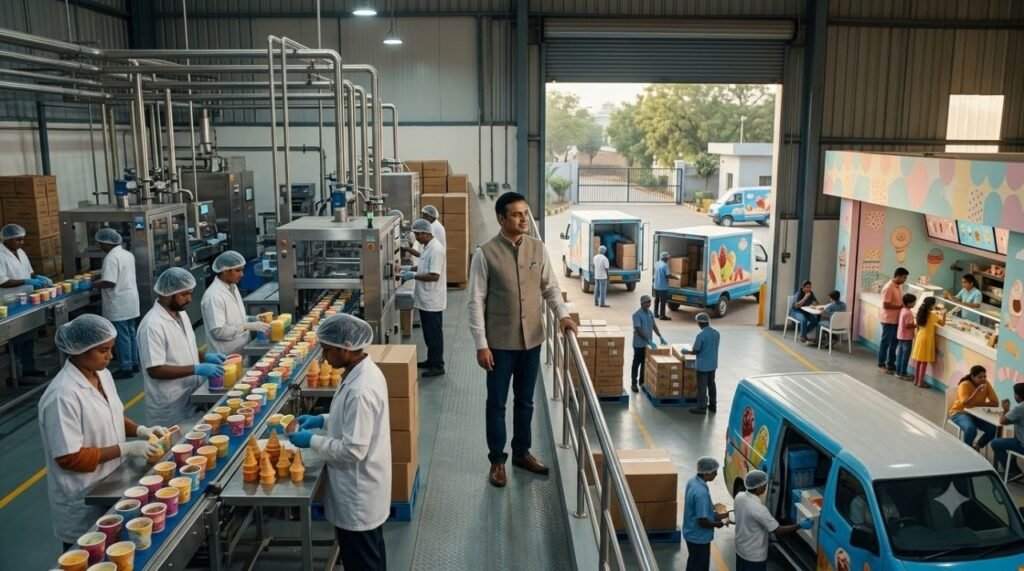
भारत के लिए पांच सूत्रीय समाधान और रोडमैप
अब solution क्या है? पहला, India को priority sectors साफ करने होंगे। Semiconductors, batteries, advanced materials, machine tools, robotics, aerospace components, green hydrogen, rare earth processing और industrial automation जैसे fields पर long-term mission चाहिए। दूसरा, procurement policy smart होनी चाहिए। Government और बड़े Indian companies early buyers बनें। अगर domestic deep-tech companies को पहला serious customer नहीं मिलेगा, तो वे lab से market तक कैसे आएंगी? तीसरा, patient capital चाहिए। Deep tech को venture capital की fast exit mindset से नहीं चलाया जा सकता। यहां development finance, long-term loans, R&D grants और strategic funds की जरूरत होती है। चौथा, failure tolerate करना पड़ेगा। अगर हर failure को scam समझ लिया जाएगा, तो कोई risky technology bet नहीं लेगा। लेकिन failure tolerance का मतलब free money नहीं। Performance milestones और accountability भी चाहिए। पांचवां, India को services और manufacturing को अलग-अलग camps की तरह नहीं देखना चाहिए। Future software plus hardware का है। AI plus robotics का है। Design plus factory का है। Indian IT strength को industrial technology से जोड़ना होगा। Industries
माइंडसेट बदलाव और भविष्य की महाशक्ति बनने की चुनौती
लेकिन इसके लिए national conversation को भी बदलना होगा। हम सिर्फ unicorn valuation पर celebrate न करें। हमें patents, process technology, export competitiveness, component depth और manufacturing productivity पर भी सवाल पूछने होंगे। किसी company ने कितना fund raise किया, यह important है। लेकिन उसने दुनिया की कौन सी hard problem solve की, यह ज्यादा important है। यही mindset shift Harsh Goenka के statement की असली value है। यह बयान criticism नहीं, direction का सवाल है। Industries India के पास मौका है। Global companies supply chains diversify कर रही हैं। Industries Geopolitics China dependency कम करने की कोशिश कर रही है। Domestic market बड़ा है। Youth talent available है। Digital infrastructure strong है। लेकिन window हमेशा खुली नहीं रहती। अगर अगले 10 से 15 साल India ने deep manufacturing और future industries में scale नहीं बनाया, तो हम consumption superpower तो बन सकते हैं, production superpower नहीं। Industries सोचिए, एक बड़े Indian industrialist अचानक कह दे कि China आज से 20 साल आगे की planning कर रहा है… और भारत अभी भी पुरानी उलझनों में फंसा है। RPG Group के Chairman Harsh Goenka के इसी बयान ने business world में बहस छेड़ दी। भारत के पास youth, talent, startups, Digital India, Make in India और PLI जैसी ताकतें हैं। लेकिन red tapism, policy delay और execution speed अभी भी बड़ा सवाल हैं। Industries
अगर हमारे आर्टिकल ने आपको कुछ नया सिखाया हो, तो इसे शेयर करना न भूलें, ताकि यह महत्वपूर्ण जानकारी और लोगों तक पहुँच सके। आपके सुझाव और सवाल हमारे लिए बेहद अहम हैं, इसलिए उन्हें कमेंट सेक्शन में जरूर साझा करें। आपकी प्रतिक्रियाएं हमें बेहतर बनाने में मदद करती हैं।
GRT Business विभिन्न समाचार एजेंसियों, जनमत और सार्वजनिक स्रोतों से जानकारी लेकर आपके लिए सटीक और सत्यापित कंटेंट प्रस्तुत करने का प्रयास करता है। हालांकि, किसी भी त्रुटि या विवाद के लिए हम जिम्मेदार नहीं हैं। हमारा उद्देश्य आपके ज्ञान को बढ़ाना और आपको सही तथ्यों से अवगत कराना है।
अधिक जानकारी के लिए आप हमारे GRT Business Youtube चैनल पर भी विजिट कर सकते हैं।
धन्यवाद!