


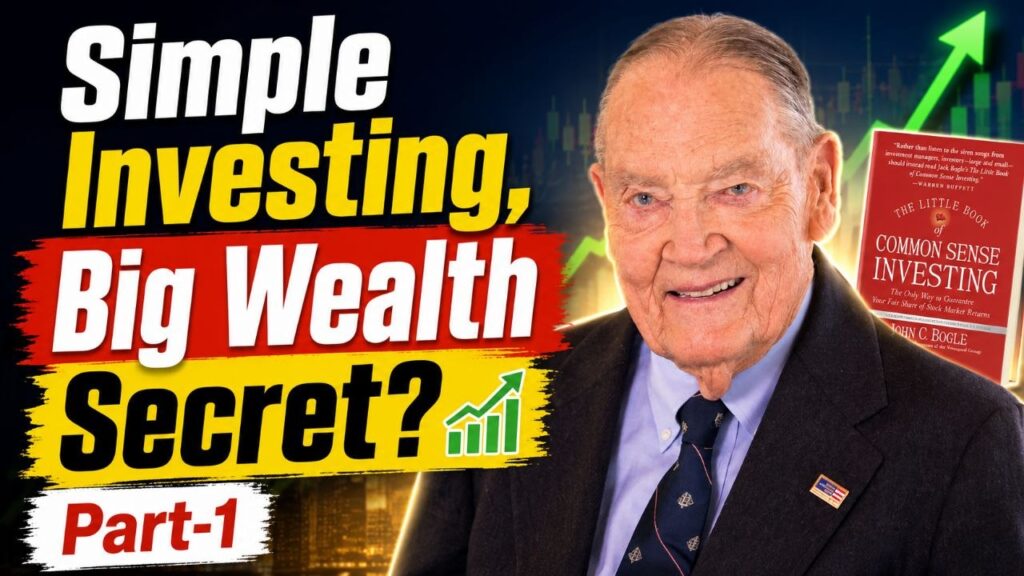
1. Index Fund और Stock Market का सच
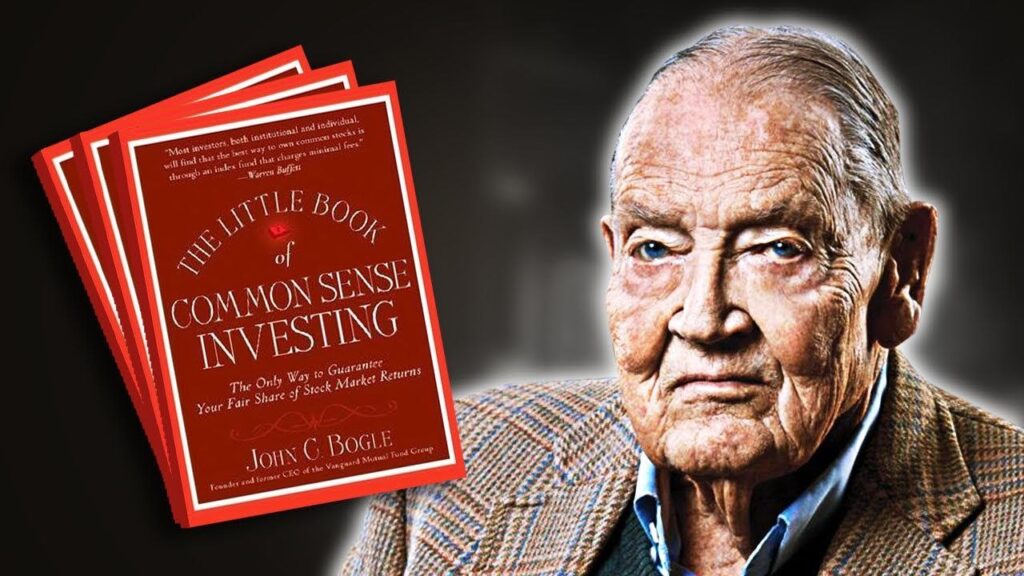
Index fund का सरल सच: John Bogle की Common Sense Investing कहानी। The Little Book of Common Sense Investing Part 1।
रात के ग्यारह बजे एक लड़का salary slip देख रहा था। पैसा account में था, पर future का डर उससे बड़ा था। FD safe लग रही थी, stocks risky, और mutual funds confusing।
Phone पर एक ad चमका, “Best fund चुनिए, wealth बनाइए।” लेकिन उसके मन में सवाल था, best fund सच में कौन चुनता है? Expert, luck, या कोई simple rule जिसे लोग boring समझते हैं?
यहीं John Bogle की कहानी शुरू होती है। उन्होंने investment world को एक सीधी बात सिखाई कि हर दिन market को हराने की जरूरत नहीं। कई बार जीत market के साथ धैर्य से चलने में है।
John Bogle की Common Sense Investing
John Bogle की book The Little Book of Common Sense Investing आम investor को यही समझाती है। Investing में smart दिखना अलग बात है, और सच में अच्छा result पाना अलग बात।
यह book हर उस इंसान के लिए है जो investing सीखना चाहता है, लेकिन charts, tips और headlines से डरता है। यह उन लोगों के लिए भी है जो bank से ज्यादा long-term growth चाहते हैं।
लेकिन एक बात साफ रहनी चाहिए। Bank interest और market return एक जैसे नहीं होते। Bank में certainty ज्यादा होती है, market में growth की संभावना होती है, पर risk भी साथ चलता है।
Share और Company की बुनियादी बातें
सबसे पहले share को समझते हैं। जब कोई company grow करना चाहती है, उसे पैसा चाहिए। वह पैसा loan से ला सकती है, या अपना छोटा हिस्सा shares के रूप में बेच सकती है।
Share खरीदने वाला इंसान उस company का छोटा हिस्सेदार बन जाता है। अगर company मजबूत होती है, तो share value बढ़ सकती है। अगर business कमजोर होता है, तो value गिर भी सकती है।
यही direct stock investing को मुश्किल बनाता है। बाहर से company अच्छी दिख सकती है, लेकिन अंदर debt, competition, management mistake या महंगी valuation छिपी हो सकती है।
Mutual Fund और Fund Manager की भूमिका
एक आम investor हर company की balance sheet नहीं पढ़ सकता। हर industry नहीं समझ सकता। हर quarter का result नहीं पकड़ सकता। इसलिए बहुत लोग mutual fund का रास्ता चुनते हैं।
Mutual fund में बहुत सारे investors अपना पैसा एक pool में डालते हैं। फिर fund manager उस पैसे को अलग-अलग companies या securities में invest करता है, ताकि पैसा एक जगह न फंसे।
Fund manager का काम होता है अच्छे stocks ढूंढना, खराब stocks से बचना, और market से बेहतर return देने की कोशिश करना। सुनने में यह बात बहुत logical और भरोसेमंद लगती है।
2. Index Funds और Investment Costs


लेकिन Bogle ने सवाल उठाया। अगर market में हजारों experts एक-दूसरे को हराने की कोशिश कर रहे हैं, तो क्या सब winner बन सकते हैं? Market में हर extra जीत के सामने कहीं cost भी होती है।
इसी सोच को उन्होंने अपनी famous line में रखा, “Don’t allow a winner’s game to become a loser’s game.” मतलब, business ownership wealth बना सकती है, लेकिन high cost और गलत behavior game बिगाड़ सकते हैं।
अब index fund समझिए। Index fund ऐसा fund है जो किसी market index को copy करता है। जैसे America में S&P 500, और India में Nifty 50 या Sensex popular examples हैं।
Active vs Index Funds
अगर कोई fund Nifty 50 track करता है, तो उसका goal Nifty को बहुत ज्यादा beat करना नहीं होता। उसका goal Nifty जैसी performance देना होता है, कम cost और rule-based तरीके से।
Active mutual fund में manager चुनता है कि कौन सा stock खरीदना है। Index fund में पहले से rule तय होता है। Index में जो companies हैं, fund mainly उन्हीं को follow करता है।
इसका फायदा simplicity है। Investor को यह guess नहीं करना पड़ता कि अगले दस साल कौन सा manager genius रहेगा। वह broad market की growth में हिस्सा लेता है।
Fees और Compounding का असर
अब सवाल आता है, expert manager से index fund बेहतर कैसे हो सकता है? इसका जवाब fees में छिपा है। Market gross return देता है, लेकिन investor के हाथ में net return आता है।
Active funds में research, trading, management और distribution cost ज्यादा हो सकती है। Index funds rules follow करते हैं, इसलिए उनकी cost generally कम रहती है। Long term में यही फर्क बड़ा बन जाता है।
मान लीजिए दो लोग same market में invest करते हैं। एक high-cost fund में, दूसरा low-cost index fund में। शुरुआत में फर्क छोटा लगेगा, पर compounding के साथ fees भी compound होती है।
John Bogle और Vanguard का Philosophy
John Bogle कहते थे, investor market return control नहीं कर सकता। कोई नहीं जानता next year market ऊपर जाएगा या नीचे। लेकिन investor cost, discipline और patience जरूर control कर सकता है। Vanguard की philosophy भी इसी idea पर बनी। Goals, balance, low costs और discipline। यही चार words आम investor को दिखाते हैं कि investing glamour नहीं, system का game है।
John Bogle ने Vanguard की शुरुआत 1975 में की। बाद में Vanguard 500 Index Fund retail investors के लिए बड़ा turning point बना, क्योंकि उसने आम लोगों को S&P 500 जैसी broad exposure दी।
3. Warren Buffett की Bet और Diversification


आज Vanguard दुनिया की सबसे बड़ी investment firms में है। लेकिन Bogle की असली legacy सिर्फ company का size नहीं है। उनकी legacy यह है कि investing आम आदमी के लिए fair और simple हो सकती है।
अब Warren Buffett वाली कहानी सुनिए। Buffett ने hedge funds के खिलाफ famous long-term bet लगाई। उनका भरोसा था कि low-cost S&P 500 index fund, fees के बाद, selected hedge funds से बेहतर करेगा।
Historic Bet का सबक
यह bet 2008 से 2017 तक चली। शुरुआत financial crisis से हुई, जब market बहुत गिरा। पहले hedge funds safe लग रहे थे, लेकिन decade खत्म होते-होते Buffett की index fund side जीत गई।
इसका मतलब यह नहीं कि index fund हर period में हर strategy को beat करेगा। Market में guarantee नहीं होती। सीख यह है कि complexity और high fees, better result की guarantee नहीं देते।
Diversification का फायदा
India के investor के लिए भी सवाल वही है। कौन सा stock multibagger बनेगा? कौन सा sector boom करेगा? कौन सा fund top रहेगा? Bogle कहते, पहले broad market का हिस्सा बनो।
Index fund diversification देता है। एक company खराब हो जाए तो पूरा portfolio खत्म नहीं होता। Index अपने rules के हिसाब से बदलता रहता है, इसलिए कमजोर और मजबूत companies का balance समय के साथ adjust हो सकता है।
इससे investor को हर रोज news देखकर panic करने की जरूरत कम होती है। वह किसी एक company या किसी एक manager पर पूरी उम्मीद नहीं लगाता। वह market basket own करता है।
Risk और Patience की जरूरत
लेकिन index fund risk-free नहीं है। अगर stock market गिरता है, तो index fund भी गिरता है। Nifty या S&P 500 bank FD की तरह guaranteed return नहीं देते।
Index fund risk खत्म नहीं करता, risk spread करता है। Company risk कम होता है, market risk बचता है। इसलिए यह short-term excitement नहीं, long-term patience मांगता है।
4. Trader vs Investor Mindset और System
Bogle speculation से बचने की बात करते थे। Speculation कहता है, जल्दी खरीदो और जल्दी बेचो। Investment कहता है, अच्छे businesses की long-term growth में partner बनो।
यह mindset का फर्क है। Trader screen के रंग देखकर decision लेता है। Investor अपने goals, time horizon, income और risk capacity देखकर decision लेता है। Index fund दूसरा रास्ता आसान करता है।
आम आदमी के लिए Simple System
एक आम आदमी की life सोचिए। Job, family, बच्चों की education, home loan और medical emergency। वह full-time analyst नहीं बन सकता। उसे investing का simple system चाहिए।
अगर वह हर महीने disciplined तरीके से broad index fund में पैसा लगाता है, तो market timing का pressure कम हो सकता है। SIP habit बना सकती है, लेकिन patience फिर भी जरूरी है।
Active Management के सच
Active mutual funds पूरी तरह गलत नहीं हैं। कुछ managers अच्छे periods में benchmark से बेहतर कर सकते हैं। कुछ categories में active management useful भी हो सकता है।
लेकिन Bogle का point था कि पहले से long-term winner चुनना बहुत मुश्किल है। जो fund आज top है, जरूरी नहीं अगले decade में भी top रहे। Past performance future guarantee नहीं है।
Index Fund चुनने का तरीका
Active fund चुनने में manager, strategy, risk, fees, turnover और consistency समझनी पड़ती है। Index fund में भी जांच चाहिए, लेकिन सवाल simple हो जाते हैं। कौन सा index, कितनी cost, कितना tracking error।
Tracking error बताता है कि fund अपने index को कितनी closely follow कर रहा है। Expense ratio कम होना अच्छा है, पर tracking quality भी जरूरी है। सिर्फ cheap होना काफी नहीं।
5. Discipline, Emotion और Life Stages

अब hidden enemy समझिए, emotion. Market गिरता है तो fear आता है। Market चढ़ता है तो greed आती है। Social media पर किसी की profit story देखकर comparison आता है।
John Bogle की common sense कहती है कि boring रहना कई बार profitable हो सकता है। बार-बार action लेने से control का illusion आता है, लेकिन हर action mistake का chance भी बढ़ाता है।
Discipline और Control
Index investing investor को humility सिखाती है। Market को consistently beat करना कठिन है। इसलिए energy उन चीजों पर लगाइए जिन्हें आप control कर सकते हैं।
आप savings rate control कर सकते हैं। Debt कम रख सकते हैं। Emergency fund बना सकते हैं। Insurance से family protect कर सकते हैं। फिर long-term investing को disciplined habit बना सकते हैं। बड़ी गलती यह है कि लोग investment को quick income समझ लेते हैं। Index fund overnight अमीर बनाने की मशीन नहीं। यह slow engine है, जिसे time और consistency चाहिए।
Age और Life Stages की Strategy
Young investors के लिए यह lesson बहुत powerful है। Time लंबा है तो compounding को सांस लेने की जगह मिलती है। लेकिन हर गिरावट पर exit किया, तो compounding टूट जाती है।
Older investors के लिए lesson अलग है। पूरा पैसा equity index fund में डालना जरूरी नहीं। Life stage के हिसाब से equity, debt, cash और safety का balance जरूरी है।
Industry Charges और Behavior Gap
इसलिए index fund magic नहीं, strong building block है। जैसे घर में foundation जरूरी है, portfolio में low-cost broad market exposure foundation बन सकता है।
Mutual fund industry कभी-कभी hope बेचती है। Hope गलत नहीं, लेकिन महंगी hope dangerous हो सकती है। High fee तभी सही है जब long-term net return सच में बेहतर हो।
Bogle कहते थे, investment business में market gross return बनाता है, पर investor को net return मिलता है। बीच में जितने charges और transactions होंगे, investor का हिस्सा उतना घट सकता है।
एक और problem है behavior gap। Fund अच्छा perform करता है, लेकिन investor गलत time entry और exit करके खराब return कमा लेता है। इसलिए product से ज्यादा behavior important है।
6. Investor का Edge और Summary

Index investing behavior gap पूरी तरह खत्म नहीं करती, पर उसे कम कर सकती है। क्योंकि product simple है। Investor समझता है कि वह market own कर रहा है, magic trick नहीं खरीद रहा।
Market में professionals, algorithms और research teams हैं। आम investor का edge क्या है? Bogle का जवाब था, patience, low cost, diversification और staying power।
Goal Planning और Staying Power
Staying power का मतलब है गिरावट में टिकना। अगर पैसा short-term जरूरत का है, तो market fall में मजबूरी से बेचने का खतरा होता है। इसलिए goal planning जरूरी है।
पहले emergency fund, फिर high-interest debt control, फिर insurance, और फिर investing। यह order boring लगता है, लेकिन financial crisis में यही boring system सबसे ज्यादा काम आता है।
Index fund को ऐसे समझिए। आप market से लड़ नहीं रहे, आप market की नाव में बैठे हैं। लहर कभी ऊपर जाएगी, कभी नीचे। लेकिन panic में कूदना सबसे बड़ा risk बन सकता है।
Personality और Long-term Journey
अगर कोई हर महीने थोड़ा पैसा लगाता है, तो गिरते market में ज्यादा units मिल सकती हैं और महंगे market में कम units। यह habit emotions को process में बदल सकती है।
लेकिन SIP भी guarantee नहीं है। Time horizon छोटा हो, या गिरावट में plan बंद हो जाए, तो benefit कम हो सकता है। Index investing का असली partner behavior है।
John Bogle चाहते थे कि financial industry investor के लिए काम करे, investor industry के लिए नहीं। इसलिए उन्होंने low-cost, client-focused और common sense investing पर जोर दिया।
उनका message ordinary लोगों के लिए खास है। आपको genius बनने की जरूरत नहीं। हर headline predict करने की जरूरत नहीं। आपको broad ownership, low cost और discipline अपनाना है।
जब कोई beginner पूछता है, कौन सा stock खरीदूं, Bogle शायद पूछते, goal क्या है? Time horizon कितना है? Risk कितनी झेल सकते हो? Simple plan पर टिक पाओगे?
Investing का असली सवाल product से पहले personality का है। Impatient investor best fund से भी खराब result ले सकता है। Disciplined investor simple fund से भी मजबूत journey बना सकता है।
इस part की सबसे बड़ी सीख यही है। Index fund shortcut नहीं, common sense system है। Market को हराने की costly race में मत फंसो, market की growth में low-cost तरीके से हिस्सा लो।
लेकिन कहानी यहीं खत्म नहीं होती। अगले part में असली twist आएगा, जब हम देखेंगे कि expense ratio, fees और compounding आपकी wealth को quietly बना भी सकते हैं, और quietly खा भी सकते हैं।
Video Summary और Outro
रात को एक आम इंसान अपनी savings देख रहा था। बैंक interest धीमा था, market डरावना लग रहा था, और मन में सवाल था, “पैसा बढ़ेगा कैसे, अगर गलत जगह फंस गया तो?”
यहीं कहानी में आते हैं John Bogle, Vanguard Group के founder. उन्होंने एक ऐसा रास्ता दिखाया, जहां investing किसी बड़े expert की guessing पर नहीं, बल्कि पूरे market की growth पर टिकती है।
इस book summary में हम समझते हैं कि mutual fund में fund manager आपका पैसा अलग-अलग companies में लगाता है। लेकिन डर ये है कि manager की choice हमेशा सही हो, ऐसा जरूरी नहीं।
Index fund भी पैसा कई companies में लगाता है, पर अपनी मर्जी से नहीं। वह पहले से बने index, जैसे NIFTY50 या S&P500, को follow करता है। और असली मोड़ तब आता है, जब John Bogle कहते हैं कि long run में ज्यादा active funds index fund को beat नहीं कर पाते। पूरी सच्चाई जानने के लिए description में दिए लिंक पर क्लिक कर अभी पूरी वीडियो देखें!
अगर हमारे आर्टिकल ने आपको कुछ नया सिखाया हो, तो इसे शेयर करना न भूलें, ताकि यह महत्वपूर्ण जानकारी और लोगों तक पहुँच सके। आपके सुझाव और सवाल हमारे लिए बेहद अहम हैं, इसलिए उन्हें कमेंट सेक्शन में जरूर साझा करें। आपकी प्रतिक्रियाएं हमें बेहतर बनाने में मदद करती हैं।
GRT Business विभिन्न समाचार एजेंसियों, जनमत और सार्वजनिक स्रोतों से जानकारी लेकर आपके लिए सटीक और सत्यापित कंटेंट प्रस्तुत करने का प्रयास करता है। हालांकि, किसी भी त्रुटि या विवाद के लिए हम जिम्मेदार नहीं हैं। हमारा उद्देश्य आपके ज्ञान को बढ़ाना और आपको सही तथ्यों से अवगत कराना है।
अधिक जानकारी के लिए आप हमारे GRT Business Youtube चैनल पर भी विजिट कर सकते हैं।
धन्यवाद!