


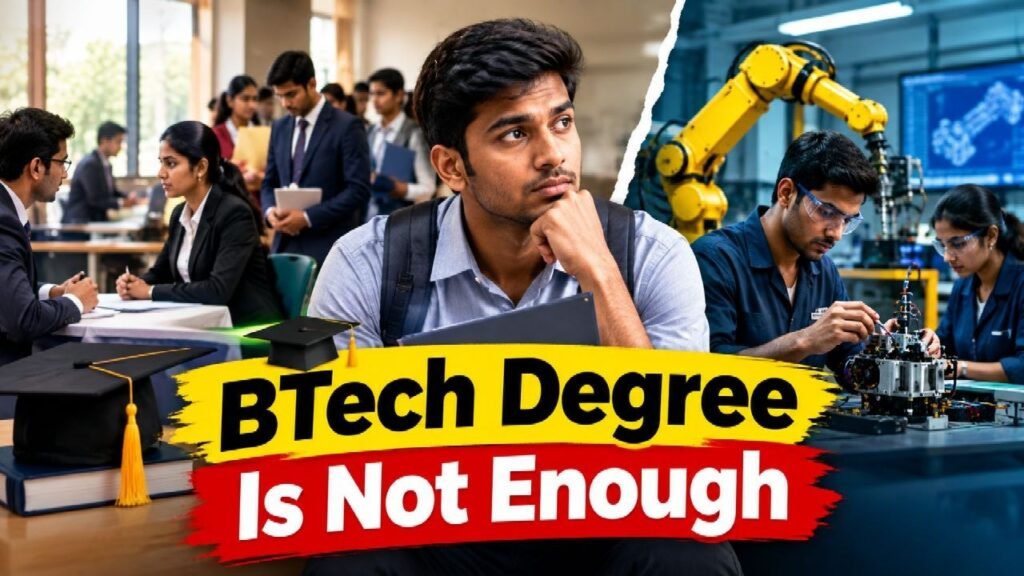
Part 1: BTech का Career Trap और Reality Check
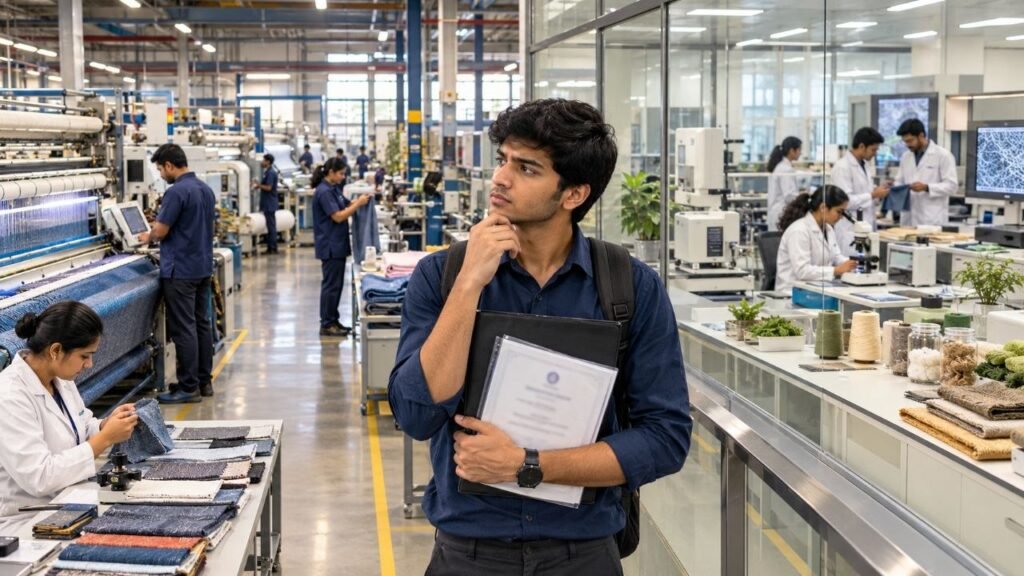
100% Placement का सच और Middle-Class Student का सपना
BTech का Career Trap: 5 Branches जहाँ Degree नहीं, Market फैसला करता है।
सोचिए, एक middle-class family ने बेटे की engineering admission के लिए अपनी savings लगा दी। BTech
College का brochure चमक रहा है, campus की फोटो शानदार है, और हर जगह एक ही line लिखी है, “100% placement.”
घर में सबको लगता है कि बस चार साल की मेहनत है। उसके बाद बेटा engineer बनेगा, salary आएगी, loan खत्म होगा, और family की जिंदगी थोड़ी आसान हो जाएगी।
लेकिन असली shock चार साल बाद आता है, जब placement hall में वही student बैठा होता है, resume हाथ में होता है, और companies उसकी branch देखकर आगे बढ़ जाती हैं। BTech
Degree या Gamble? AI और Changing Market Trends
यहीं सबसे बड़ा सवाल खड़ा होता है। क्या engineering degree आज भी safe career ticket है, या कुछ branches में admission लेना अब एक महंगा gamble बन चुका है? BTech
इस video में हम किसी student का सपना तोड़ने नहीं जा रहे। हम यह समझने जा रहे हैं कि आखिर कौन से engineering courses job market में सबसे ज्यादा risk लेकर आते हैं, और क्यों। BTech
अगर आप student हैं, parent हैं, या किसी को BTech admission की advice दे रहे हैं, तो video को Like कर दीजिए। क्योंकि यह बात चार साल और लाखों रुपये बचा सकती है।
भारत में engineering का craze नया नहीं है। Maths से 12वीं करने वाले लाखों students के लिए BTech आज भी default option है। Problem यह है कि default option हमेशा best option नहीं होता।
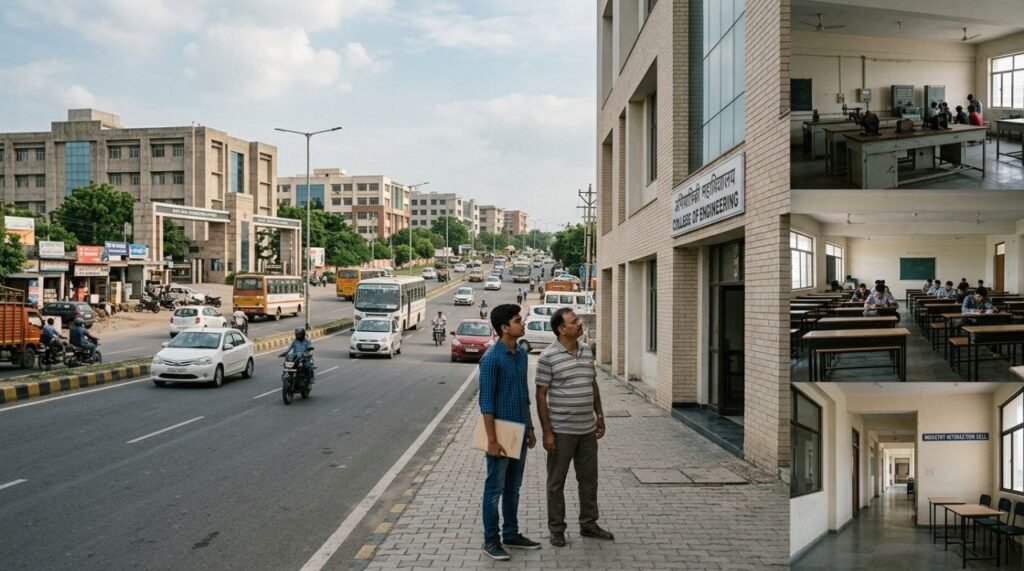
गली-मोहल्ले से लेकर highways तक, private engineering colleges की भरमार दिखती है। बाहर से सब कुछ modern लगता है, लेकिन अंदर कई जगह labs कमजोर, faculty average और industry connection लगभग zero होता है।
ऊपर से AI, automation और digital tools ने hiring का पूरा खेल बदल दिया है। Companies अब सिर्फ degree नहीं देख रहीं, वे देख रही हैं कि candidate असल problem solve कर सकता है या नहीं। BTech
AICTE Reports, Enrolment Shift और Reuters Insights
इसी बदलते माहौल में reports के मुताबिक 2026 में AICTE data से जुड़े updates में 58 engineering institutions बंद हुए और 950 से ज्यादा courses discontinue हुए। यह सिर्फ numbers नहीं, demand और quality का signal है। BTech
एक और बड़ा संकेत यह है कि 2025 में BTech enrolment में Computer Science का हिस्सा बहुत तेजी से बढ़ा, जबकि core branches पर pressure बढ़ता दिखा। Market साफ बता रहा है कि skill demand बदल रही है।
Reuters की एक report में भी India के करीब 1.5 million annual engineering graduates और AI की वजह से बदलती hiring needs का जिक्र हुआ। मतलब competition सिर्फ students के बीच नहीं, skills के बीच भी है। BTech
Part 2: Risky Branch 1 – Textile Engineering

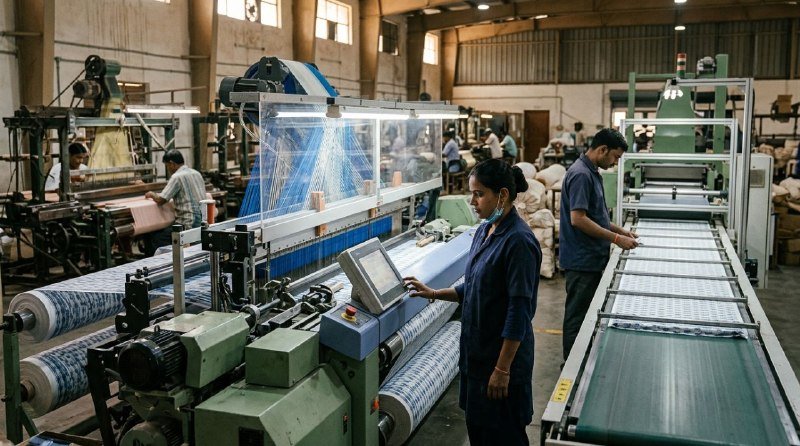
Outdated Syllabus और Industrial Automation
अब यहां एक बात साफ समझिए। कोई branch जन्म से बेकार नहीं होती। बेकार तब बनती है, जब college outdated हो, market छोटा हो, और student को employable skills न मिलें।
सबसे ज्यादा risk तब होता है जब course का नाम बड़ा हो, लेकिन उसके आसपास jobs कम हों। Student dream देखकर admission लेता है, पर company spreadsheet देखकर hiring करती है। BTech
अब पहली risky branch की बात करते हैं, Textile Engineering। नाम सुनते ही कपड़ा industry, mills, fabric और production line की तस्वीर आती है। एक समय था जब यह branch सच में powerful मानी जाती थी।
भारत की industrial story में textile का बहुत बड़ा role रहा है। Cotton mills, garment exports, spinning units, weaving units, सबने economy को jobs दीं। लेकिन आज का textile business पहले जैसा labour-heavy नहीं रहा। BTech
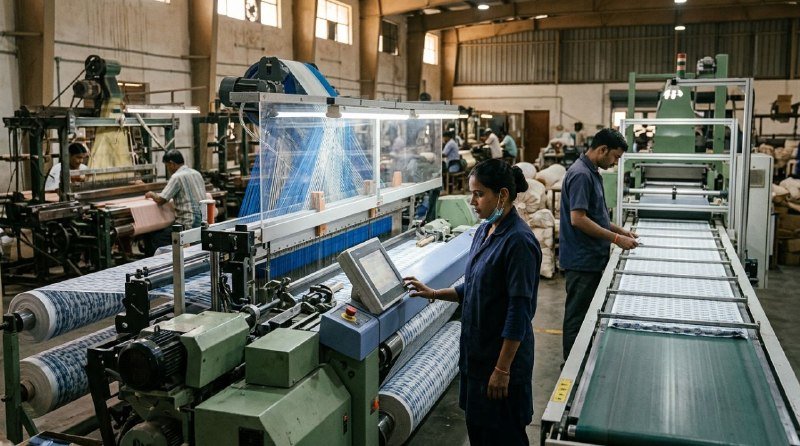
Modern mills में automation आ चुका है। Machines ज्यादा तेज, ज्यादा precise और ज्यादा connected हो गई हैं। पहले जहां कई लोगों की जरूरत होती थी, अब कम trained operators और process experts काम संभाल लेते हैं। BTech
Industry Gap और Skills vs Reality
Problem textile industry की नहीं है। Problem ordinary Textile Engineering degree की है, खासकर तब जब college के पास modern machinery, industry internship और latest software exposure न हो।
कई colleges में student अभी भी पुराने syllabus में yarn, weaving और fabric chemistry पढ़ता है, लेकिन market technical textiles, smart fabrics, sustainability और global supply chain की language बोल रहा होता है। BTech
यानी student जो पढ़ रहा है और company जो मांग रही है, उनके बीच gap बन जाता है। यही gap placement season में सबसे महंगा साबित होता है।
Textile Engineering में Future Prospects और Precautions
Textile में opportunity खत्म नहीं हुई। Technical textiles, sportswear, medical fabrics, export quality control और sustainable materials में काम है। लेकिन वहां जाने के लिए सिर्फ degree नहीं, specialized exposure चाहिए।अगर कोई student Textile Engineering चुनता है, तो उसे पहले यह देखना चाहिए कि college का textile companies से tie-up है या नहीं। क्या real plant visits हैं? क्या paid internships मिलती हैं?
वरना course का नाम engineering रहेगा, लेकिन career production supervisor या low salary quality checking तक सीमित हो सकता है। और यही वह point है जहां dream छोटा पड़ जाता है। BTech
Part 3: Risky Branch 2 – Biomedical Engineering
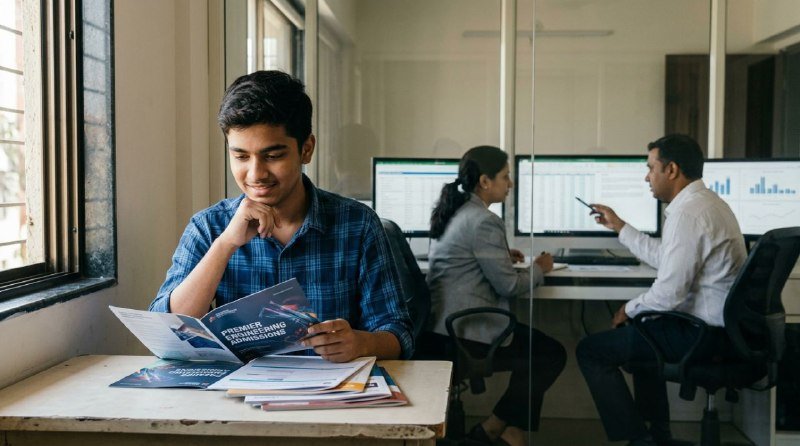
Healthcare Sector का Reality Check
दूसरी risky branch है Biomedical Engineering। सुनने में यह बहुत futuristic लगती है। Medical science, machines, hospitals, MRI, robotic surgery, implants, devices, सब कुछ high-tech लगता है। BTech
Student को लगता है कि यह doctor और engineer का perfect combination है। लेकिन असली सवाल है, India में इस combination के लिए entry-level jobs कितनी हैं?
Hospitals sensitive machines किसी fresher को आसानी से नहीं सौंपते। MRI, ventilator, dialysis machine या surgical robot जैसे systems में छोटी गलती भी patient safety से जुड़ सकती है। BTech
इसलिए hospitals अक्सर experienced service engineers, OEM-trained technicians या specialized biomedical professionals को preference देते हैं। Fresher के लिए door खुलता है, लेकिन बहुत narrow होता है।
Mid-Tier Colleges का Half-Baked Knowledge
Course की दूसरी problem यह है कि कई जगह यह neither here nor there बन जाता है। Student electronics भी पूरी depth में नहीं सीखता, software भी नहीं, और medical science भी doctor जैसी नहीं।
अब contradiction देखिए। Healthcare sector grow कर रहा है, medical devices की demand बढ़ रही है, लेकिन Biomedical Engineering graduate फिर भी struggle कर सकता है। क्यों? BTech
क्योंकि industry को सिर्फ degree वाला candidate नहीं चाहिए। उसे ऐसा person चाहिए जो electronics, sensors, data, regulatory approval, product testing और hospital workflow समझ सके।
Right Approach and Skillset for Biomedical Engineers
अगर college के पास hospital collaboration, medical device lab, clinical exposure और startup ecosystem नहीं है, तो यह branch बहुत risky हो जाती है।
बहुत से students बाद में medical equipment sales, service coordination या general support roles में चले जाते हैं। काम गलत नहीं है, लेकिन सपना R&D engineer का था और reality कुछ और निकलती है। BTech
Biomedical choose करना है तो software, embedded systems, AI in healthcare, regulatory affairs और device design को साथ लेकर चलना पड़ेगा। वरना course सुंदर नाम के बावजूद weak career path दे सकता है। BTech
Part 4: Risky Branch 3 – Chemical Engineering

Chemical Sector का Tough Nature और Job Concentration
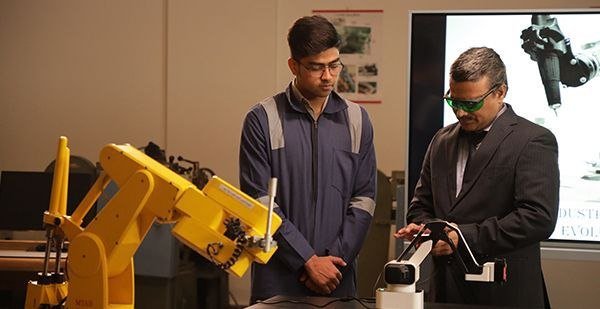
तीसरी branch है Chemical Engineering। यह branch सच में tough है और historically respected भी है। इसमें process, reactions, heat transfer, plant design और industrial production जैसी गंभीर चीजें आती हैं। BTech
लेकिन मुश्किल यह है कि Chemical Engineering की high-paying jobs हर जगह नहीं होतीं।
वे ज्यादातर refineries, petrochemicals, pharma, specialty chemicals, fertilizers और large manufacturing plants में concentrated होती हैं।
ऐसी companies freshers को randomly hire नहीं करतीं। वे strong colleges, strong labs, safety understanding और practical exposure देखती हैं। Tier-3 college से graduate student के लिए competition बहुत hard हो जाता है।
Heavy Investments, Safety Rules और AI Automation
Chemical plants capital-intensive होते हैं। एक factory लगाना software startup जैसा नहीं है कि laptop उठाया और काम शुरू कर दिया।
Land, compliance, safety, environment clearance, machinery, सबकुछ महंगा होता है।
इसका मतलब jobs की growth slow और selective हो सकती है। अगर economy में manufacturing investment कम हुआ, तो freshers के लिए openings और भी tight हो जाती हैं।
Environmental rules और safety standards भी अब सख्त होते जा रहे हैं। यह अच्छी बात है, लेकिन इसका असर यह होता है कि companies inexperienced लोगों को critical roles में रखने से बचती हैं।
फिर AI और automation process monitoring में भी आ रहे हैं। Sensors, control systems और predictive maintenance routine work को reduce कर रहे हैं। अब सिर्फ theory पढ़ना काफी नहीं है। BTech
Green Future और Success Path
Chemical Engineering dead नहीं है। Batteries, green hydrogen, pharma manufacturing, specialty chemicals, water treatment और clean energy में future बन सकता है। लेकिन उसके लिए strong technical base चाहिए।
अगर student ने सिर्फ exams pass किए, plant कभी देखा नहीं, process simulation tool नहीं सीखा, safety culture नहीं समझा, तो degree market में कमजोर पड़ जाती है।
इस branch में career बचाने का तरीका है internships, GATE preparation, process simulation, data analytics और industry certifications।यानी Chemical Engineering में success possible है, पर casual admission बहुत risky है।
Part 5: Risky Branch 4 & 5 – Mining-Metallurgy and Aeronautical

Mining and Metallurgy: Remote Life और Limited Scope
चौथी risky field है Mining और Metallurgical Engineering। यह सुनते ही खदान, minerals, steel plants और heavy industry की image आती है। एक समय था जब PSU इस branch की backbone थे।
Coal, iron ore, aluminium, steel, ये सब देश की economy के लिए जरूरी हैं। इसलिए field important है। लेकिन field important होने का मतलब यह नहीं कि हर graduate को अच्छी job मिल जाएगी। BTech
Mining jobs अक्सर remote locations, tough working conditions और safety risks से जुड़ी होती हैं। हर student mentally और physically उस lifestyle के लिए ready नहीं होता।
PSU jobs attractive हैं, लेकिन वहां competition बहुत high है। GATE, strong academics और limited seats का game है। सिर्फ degree लेने से PSU का door अपने आप नहीं खुलता।
Private sector में mining roles limited हो सकते हैं, और local conditions, commodity cycles और regulation पर depend करते हैं। जब mining approvals slow हों या demand cycle weak हो, hiring भी slow हो जाती है। BTech
Metallurgy को भी कई students old-school branch समझकर ignore करते हैं। सच यह है कि metals, alloys, EV batteries और advanced materials में future है। लेकिन फिर वही बात, quality matters.
अगर college में proper material testing labs, industry projects और research exposure नहीं है, तो student सिर्फ theory पढ़कर निकलता है। और theory अकेली salary नहीं दिलाती। BTech
Mining और Metallurgy में risk इसलिए बड़ा है क्योंकि opportunities narrow हैं। गलत college से यह branch लेने पर student के पास fallback options कम रह जाते हैं।
इस field में जाना है तो पहले खुद से पूछिए, क्या आप remote plant life के लिए ready हैं? क्या आप GATE या higher studies seriously कर सकते हैं? क्या college का industry link real है?
अगर इन सवालों का जवाब weak है, तो यह branch passion से ज्यादा pressure बन सकती है। और career में pressure सबसे महंगा interest होता है। BTech
Aeronautical Engineering: Glamour vs Reality
पांचवीं branch है Aeronautical Engineering। यह शायद इस list की सबसे glamorous branch है। नाम सुनते ही rockets, fighter jets, aircraft और space missions आंखों के सामने आ जाते हैं।
बहुत से students सोचते हैं कि Aeronautical Engineering मतलब सीधा ISRO, DRDO, NASA या aircraft design.
सपना बड़ा है, लेकिन India का aviation manufacturing ecosystem अभी limited और highly specialized है।
ISRO या DRDO जैसे institutions में जाना सिर्फ branch के नाम से नहीं होता। वहां exams, research aptitude, strong fundamentals, projects और top-level competition matter करते हैं।
Ordinary private college से Aeronautical Engineering करने वाला student कई बार ऐसी labs में पढ़ता है जहां wind tunnel नाम का equipment brochure में ज्यादा दिखता है, practical में कम।
Aerospace design में fluid dynamics, propulsion, structures, control systems, materials और simulation की गहरी understanding चाहिए। यह branch flashy नाम से नहीं, hard fundamentals से चलती है।
Reality में कई students बाद में airline ground roles, maintenance support, CAD drafting या unrelated jobs में चले जाते हैं। Salary और expectation का mismatch बहुत बड़ा shock बनता है।
Specialized Opportunities in Aerospace
लेकिन Aeronautical में opportunity zero नहीं है। Drones, defence manufacturing, aerospace suppliers, MRO services और simulation-based design में scope बन रहा है।
Problem यह है कि opportunity elite और skill-heavy है। अगर student ने mechanical fundamentals, CAD, CFD, programming और real projects नहीं किए, तो branch का नाम अकेला काफी नहीं होगा।
इसलिए Aeronautical Engineering चुनने से पहले college की labs, faculty, alumni, placement records और project culture को बहुत ध्यान से check करना चाहिए।
अगर यह सब weak है, तो आसमान छूने का सपना एक महंगी degree बनकर जमीन पर अटक सकता है।
Part 6: College Reality, Action Plan and Final Conclusion
Overall Placement vs Branch-Wise Placement
अब इन पांचों branches को जोड़कर बड़ी picture देखिए। Textile, Biomedical, Chemical, Mining-Metallurgy और Aeronautical में common problem course का नाम नहीं, market bridge का टूटना है।
College कहता है, “हम engineer बनाएंगे।” Market पूछता है, “आप कौन सी real problem solve कर सकते हैं?” और student बीच में फंस जाता है।
यहीं वजह है कि admission से पहले overall placement number पर भरोसा नहीं करना चाहिए। College 100% placement बोल सकता है, लेकिन branch-wise placement अलग कहानी बता सकता है।आपको पूछना चाहिए कि पिछले तीन साल में इस specific branch से कितने students placed हुए। Average package क्या था? Core companies आईं या सिर्फ generic sales और support roles मिले?
यह भी देखिए कि internships compulsory हैं या सिर्फ formality। Industry tools कौन से सिखाए जाते हैं? Labs working condition में हैं या सिर्फ inspection day पर खुलती हैं?
Parents के लिए भी यह important है। सिर्फ “बेटा engineer बन जाएगा” सोचकर admission न लें। आज degree से ज्यादा employability बिकती है।
Students के लिए भी warning है। सिर्फ Computer Science popular है, इसलिए सब safe है, ऐसा भी नहीं। अगर coding, problem solving और projects नहीं हैं, तो CSE भी भीड़ में खो सकती है।
Action Plan: Passive Student से Active Builder बनिए
असल बात यह है कि हर branch में दो तरह के students बनते हैं। एक जो सिर्फ syllabus पूरा करते हैं, और दूसरे जो market की जरूरत समझकर खुद को upgrade करते हैं।
अगर आप already इनमें से किसी branch में हैं, तो panic मत कीजिए। Game खत्म नहीं हुआ। लेकिन अब आपको passive student से active career builder बनना पड़ेगा।
Internships ढूंढिए, software tools सीखिए, projects बनाइए, LinkedIn पर alumni से बात कीजिए, और अपने branch को किसी growing area से connect कीजिए।
Textile है तो sustainability और technical fabrics।
Biomedical है तो medical devices और embedded systems।
Chemical है तो pharma, energy और process simulation।
Mining या Metallurgy है तो materials, quality, EV supply chain और GATE।
Aeronautical है तो CAD, CFD, drones और mechanical fundamentals।
यानी branch अगर narrow है, तो आपको skill set wide बनाना होगा। यही आज के engineering market का सबसे बड़ा rule है।
Conclusion and Final Question
पहले engineering degree एक identity थी। आज engineering degree सिर्फ starting point है। उसके बाद market पूछता है, “ठीक है, अब काम क्या आता है?”
तो इन courses को “रद्दी” कहना आसान है, लेकिन सच थोड़ा ज्यादा sharp है। ये courses risky हैं, अगर college weak है, student passive है और industry connection missing है।
लेकिन अगर सही college, सही skill, सही internship और सही direction मिल जाए, तो इनमें भी career बन सकता है। फर्क सिर्फ इतना है कि margin for error बहुत कम है।
आखिर में सवाल वही है जिससे कहानी शुरू हुई थी। क्या चार साल की degree future secure करती है, या सही decision, सही skills और सही market understanding future secure करती है?
आपको क्या लगता है, BTech admission में branch ज्यादा important है या college और skills? Comment में अपनी राय जरूर बताइए।
12वीं के बाद बच्चा सोचता है, BTech कर ली तो life set। परिवार फीस भरता है, college सपने बेचता है, और student चार साल बाद पूछता है—job कहां है?
असल दिक्कत branch में छिपी है। Textile, Biomedical, Chemical, Mining-Metallurgy और Aeronautical जैसे courses नाम में बड़े लगते हैं, लेकिन हर जगह market वैसा नहीं है।
कई छोटे colleges में पढ़ाई theory-heavy रहती है, जबकि companies skills, coding, R&D exposure और practical experience मांगती हैं। यहीं से उम्मीद और reality का gap शुरू होता है।
सबसे बड़ा shock placement के time आता है। जिस degree को secure future समझा गया था, वही कई students को low salary, unrelated job या बेरोजगारी के मोड़ पर ला देती है।
अब असली सवाल यह है—क्या गलती course चुनने में है, college चुनने में, या बदलते job market को समझने में? पूरी सच्चाई जानने के लिए discription में दिए लिंक पर क्लिक कर अभी पूरी वीडियो देखें।!
अगर हमारे आर्टिकल ने आपको कुछ नया सिखाया हो, तो इसे शेयर करना न भूलें, ताकि यह महत्वपूर्ण जानकारी और लोगों तक पहुँच सके। आपके सुझाव और सवाल हमारे लिए बेहद अहम हैं, इसलिए उन्हें कमेंट सेक्शन में जरूर साझा करें। आपकी प्रतिक्रियाएं हमें बेहतर बनाने में मदद करती हैं।
GRT Business विभिन्न समाचार एजेंसियों, जनमत और सार्वजनिक स्रोतों से जानकारी लेकर आपके लिए सटीक और सत्यापित कंटेंट प्रस्तुत करने का प्रयास करता है। हालांकि, किसी भी त्रुटि या विवाद के लिए हम जिम्मेदार नहीं हैं। हमारा उद्देश्य आपके ज्ञान को बढ़ाना और आपको सही तथ्यों से अवगत कराना है।
अधिक जानकारी के लिए आप हमारे GRT Business Youtube चैनल पर भी विजिट कर सकते हैं।
धन्यवाद!