


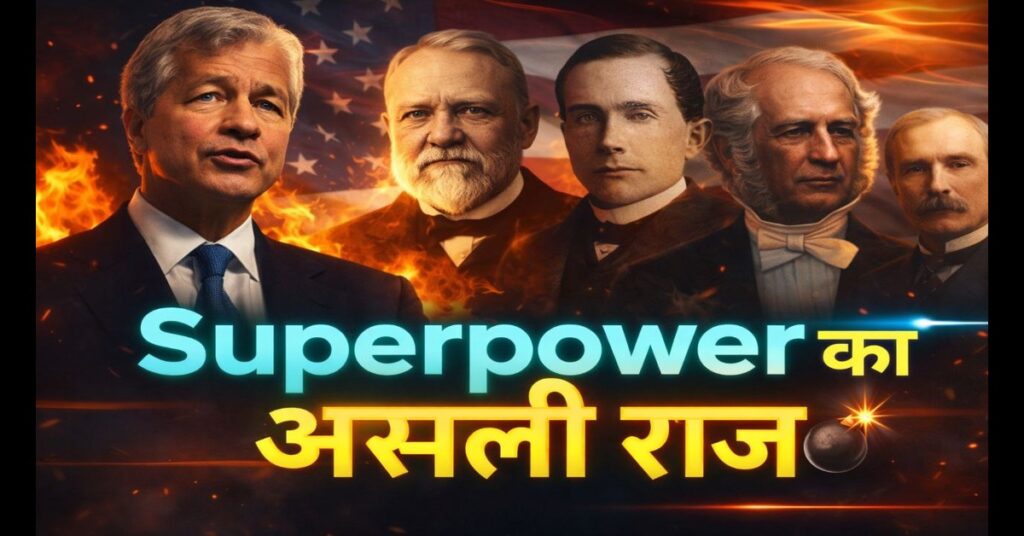
कल्पना कीजिए, 19वीं सदी का अमेरिका। धूल उड़ाती पटरियां, भाप छोड़ती रेलगाड़ियां, तेल से चमकते कारखाने, और बैंकिंग हॉल में गूंजती सौदों की आवाजें। देश अभी युवा है, राजनीतिक रूप से मजबूत हो रहा है, लेकिन आर्थिक रूप से बिखरा हुआ है। तभी कुछ ऐसे नाम उभरते हैं, जो सिर्फ बिजनेस नहीं करते, बल्कि पूरे सिस्टम की दिशा बदल देते हैं। आज जब दुनिया America राष्ट्रपति Donald Trump की tariff policies पर बहस कर रही है और global trade में हलचल है, तभी भारतीय उद्योगपति Anil Agarwal एक सवाल उठाते हैं—अमेरिका को अमेरिका किसने बनाया? क्या यह सिर्फ राजनीति की कहानी है? या इसके पीछे कुछ ऐसे उद्यमी थे, जिन्होंने पूरा economic architecture खड़ा किया?
Anil Agarwal ने अपनी Facebook post में History Channel की series “The Men Who Built America” का जिक्र किया। उन्होंने लिखा कि 19वीं सदी के हजारों entrepreneurs में से सिर्फ पांच ने आधुनिक अमेरिका की नींव रखी। ये पांच नाम हैं—Cornelius Vanderbilt, Andrew Carnegie, John D Rockefeller, JP Morgan और Henry Ford। ये सिर्फ अमीर लोग नहीं थे। ये system builders थे। इन्होंने infrastructure, steel, oil, banking और automobile जैसे core sectors को reshape किया। और इन्हीं sectors ने अमेरिका को industrial revolution की दौड़ में आगे बढ़ाया।

आज अमेरिका की nominal GDP लगभग 30 से 31 trillion dollars के बीच मानी जाती है। यह दुनिया की सबसे बड़ी अर्थव्यवस्था है। लेकिन यह overnight नहीं बना। इसके पीछे decades की industrial expansion, capital formation, technology adoption और financial consolidation की कहानी है। और इस कहानी के केंद्र में वही पांच नाम बार-बार दिखाई देते हैं।
Cornelius Vanderbilt की शुरुआत humble थी। 1794 में जन्मे Vanderbilt ने किशोरावस्था में ferry business शुरू किया। लेकिन उनकी असली चाल थी transportation network पर control। उन्होंने shipping से लेकर railway तक empire बनाया। New York Central Railroad उनके control में आया। उस दौर में railway सिर्फ transport नहीं थी, बल्कि economic bloodstream थी। Rail network ने raw materials को factories तक और finished goods को markets तक पहुंचाया। Vanderbilt ने fragmented rail lines को consolidate किया। Efficiency बढ़ाई। America का internal trade तेज हुआ। यही infrastructure future industrial growth की backbone बना।
Andrew Carnegie की कहानी immigrant success की मिसाल है। Scotland से आए Carnegie ने steel industry में revolution किया। 19वीं सदी के अंत में steel bridges, rail tracks, skyscrapers—सबका आधार बना। Carnegie Steel Company इतनी efficient थी कि production cost dramatically कम हो गई। 1901 में जब उन्होंने अपनी company J P Morgan को बेची, तो वह deal लगभग 480 million dollars की थी। उस समय के हिसाब से यह unimaginable wealth थी। लेकिन Carnegie की legacy सिर्फ industry नहीं, philanthropy भी है। उन्होंने 2,500 से ज्यादा libraries बनवाईं। Carnegie Mellon University जैसे institutions उनके vision का हिस्सा हैं। उनका belief था—“The man who dies rich dies disgraced.” यानी wealth अंत में society को लौटनी चाहिए।
John D Rockefeller का नाम सुनते ही Standard Oil याद आता है। 1870 में शुरू हुई company ने oil refining sector को dominate किया। Rockefeller ने vertical integration और cost efficiency का model अपनाया। Transport, refining, distribution—सब control में। Standard Oil एक समय पर America के 90% oil refining को control करती थी। Critics ने उन्हें monopoly कहा, 1911 में Supreme Court ने Standard Oil को break भी किया। लेकिन उस break-up से भी Rockefeller की wealth और diversified holdings बढ़ी। वह modern history के पहले billionaire माने जाते हैं। उनकी philanthropy से University of Chicago, Rockefeller Foundation जैसे institutions बने। Public health और medical research में उनका योगदान आज भी visible है।
J P Morgan finance के architect थे। 19वीं सदी के अंत और 20वीं सदी की शुरुआत में जब financial panic आता था, तो Morgan private rescue organize करते थे। 1907 का financial panic याद कीजिए, जब banking system collapse के कगार पर था। Morgan ने bankers को अपने library room में बुलाया और emergency liquidity organize की। बाद में Federal Reserve system की स्थापना भी ऐसे crises के बाद हुई। Morgan ने U S Steel और General Electric जैसी companies के formation में key role निभाया। उन्होंने fragmented industries को consolidate कर national champions बनाए। Banking सिर्फ money lending नहीं, industrial coordination का tool बन गई।
Henry Ford ने industry को democratize किया। 1908 में Model T launch हुआ। लेकिन असली revolution assembly line production थी। Mass production से car affordable हुई। Ford ने workers को 5 डॉलर per day wage दिया, जो उस समय high माना जाता था। इससे middle class purchasing power बढ़ी। Consumption cycle तेज हुआ। Automobile industry ने oil, steel, rubber, road construction—कई sectors को boost दिया। Fordism सिर्फ production technique नहीं, socio-economic shift था।
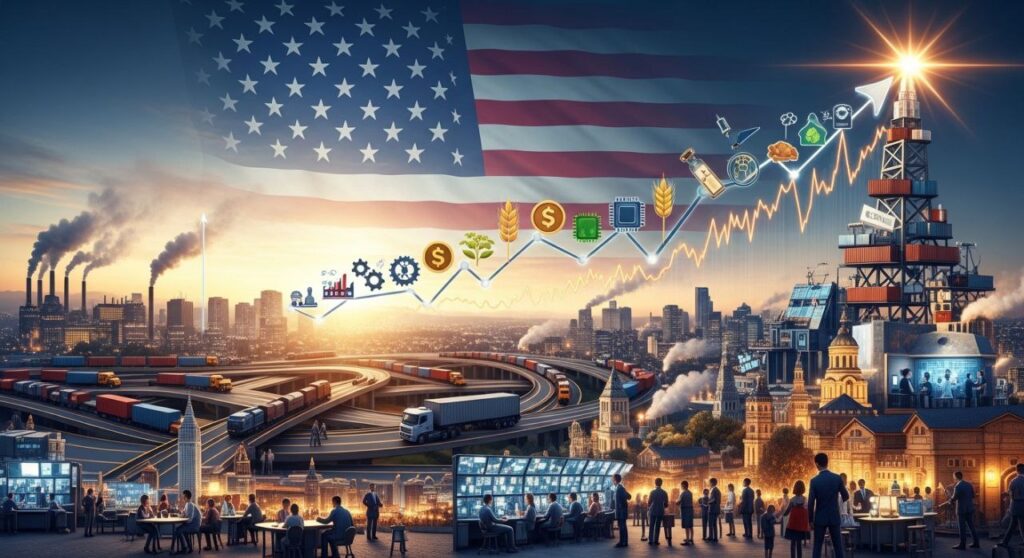
इन पांचों की एक common thread थी—scale और system building। इन्होंने individual wealth build की, लेकिन उससे भी बड़ा industrial ecosystem खड़ा किया। America rural economy से industrial powerhouse बना। Urbanization बढ़ा। Jobs create हुईं। Infrastructure expand हुआ। Capital markets mature हुए। यही cumulative effect America को super economic power की ओर ले गया।
Anil Agarwal ने एक और बात highlight की—philanthropy। ये entrepreneurs सिर्फ profit machine नहीं थे। उन्होंने universities, hospitals, research institutes establish किए। America की top universities में कई के पीछे private endowments का योगदान है। Carnegie libraries, Rockefeller Foundation grants, Vanderbilt University—ये सब examples हैं कि wealth creation और social investment साथ-साथ चल सकते हैं। यह model सिर्फ America तक सीमित नहीं रहा। Modern capitalism का template बना। Scale, innovation, consolidation और philanthropy का mix। लेकिन कहानी का दूसरा पहलू भी है—monopoly, labor disputes, inequality debates। Gilded Age को glamorous भी कहा गया और controversial भी। Workers movements हुए। Anti-trust laws बने। System evolve हुआ। यानी entrepreneurs ने system बनाया, और system ने entrepreneurs को regulate किया।
आज जब America trade wars, tariff policies और global competition का सामना कर रहा है, तब उसकी economic foundation अभी भी उन्हीं sectors पर टिकी है—energy, finance, manufacturing, infrastructure और innovation। Tech giants जैसे Apple, Microsoft, Amazon भी उसी tradition को आगे बढ़ाते हैं—scale, integration और global dominance।

अब सवाल भारत का है। Anil Agarwal कहते हैं कि भारत और America में कई समानताएं हैं। दोनों विशाल देश, diverse population, natural resources से भरपूर। भारत में भी entrepreneurship की परंपरा पुरानी है—Marwari traders, Gujarati merchants, South Indian industrialists, Punjabi manufacturers। लेकिन क्या हमारे पास वह ecosystem है जो five system builders जैसा impact दे सके?
भारत की economy लगभग 3.5 trillion dollars के आसपास है और तेजी से grow कर रही है। Demographic dividend है। Startup ecosystem boom कर रहा है। लेकिन scale building, capital formation और global integration की चुनौती अब भी है। America की कहानी बताती है कि अगर कुछ visionary entrepreneurs को supportive policy environment मिले, तो वे economy की दिशा बदल सकते हैं।
Anil Agarwal का संदेश clear है—उद्यमियों को सम्मान और सहयोग मिलना चाहिए। Regulatory complexity कम हो। Self-certification जैसी policies से compliance burden घटे। Entrepreneur अपनी energy innovation और expansion में लगाए। Government facilitation करे, obstruction नहीं। Society wealth creators को suspicious नजर से नहीं, nation builders की तरह देखे। लेकिन यह भी जरूरी है कि entrepreneurship inclusive हो। Women entrepreneurs की participation बढ़े। Skill development हो। Infrastructure improve हो। Capital access आसान हो। तभी India भी system builders पैदा कर सकता है।
America की कहानी हमें यह भी सिखाती है कि wealth creation के साथ responsibility आती है। Carnegie और Rockefeller ने philanthropy से institutions बनाए। Modern India में भी corporate social responsibility और private philanthropy critical role निभा सकती है। Education, healthcare, research—इन sectors में private investment nation building का हिस्सा बन सकता है।

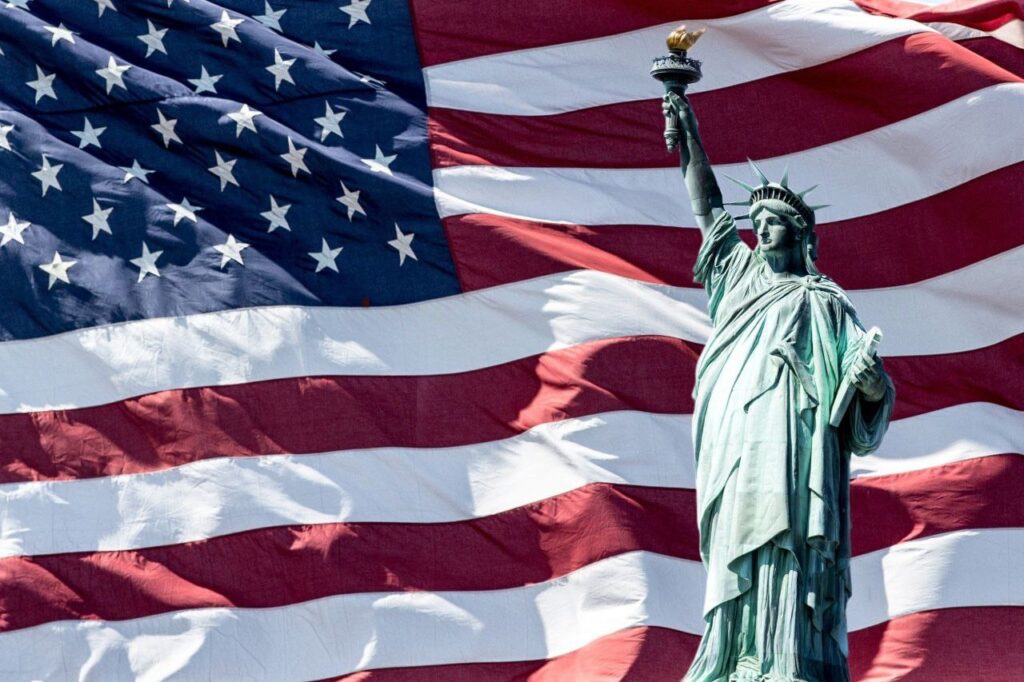
अगर हम broader economic lens से देखें, तो super economic power बनने के लिए सिर्फ GDP नहीं, institutional depth चाहिए। Financial markets, innovation ecosystem, skilled workforce, strong infrastructure—ये सब pillars हैं। Vanderbilt, Carnegie, Rockefeller, Morgan और Ford ने इन pillars को मजबूत किया। Political leadership supportive रही, लेकिन driving force private enterprise था।
आज जब global supply chains shift हो रही हैं, geopolitical tensions बढ़ रही हैं, तब India के सामने opportunity है। Manufacturing push, digital economy, renewable energy, infrastructure build-out—ये सब areas हैं जहां visionary entrepreneurs impact डाल सकते हैं। लेकिन long-term thinking जरूरी है। Quick profit mentality से system build नहीं होता।
और शायद यही इस कहानी का core है—system thinking। पांच नामों ने America को overnight नहीं बनाया। Decades लगे। Failures हुए। Criticism हुआ। Regulation आया। लेकिन foundation मजबूत हुई। Super economic power बनने की प्रक्रिया messy होती है, लेकिन consistent होती है। तो क्या America को super power politicians ने बनाया? या scientists ने? या entrepreneurs ने? शायद answer mix है। लेकिन यह undeniable है कि इन पांच system builders के बिना America का industrial rise अधूरा होता।
अब सवाल हम सबके सामने है—क्या भारत अपने Vanderbilt, Carnegie, Rockefeller, Morgan और Ford पैदा करेगा? क्या हम entrepreneurs को suspect की तरह नहीं, strategic asset की तरह देखेंगे? क्या wealth creation और social responsibility साथ-साथ चल पाएंगे? क्योंकि अंत में राष्ट्र वही आगे बढ़ते हैं, जहां vision और execution मिलते हैं। जहां capital fear से नहीं, confidence से invest होती है। जहां system individuals से बड़ा बनता है। America की कहानी warning भी है और inspiration भी। और शायद यही कारण है कि Anil Agarwal ने इन पांच नामों को याद किया—क्योंकि इतिहास सिर्फ अतीत नहीं, भविष्य की blueprint भी होता है।
Conclusion
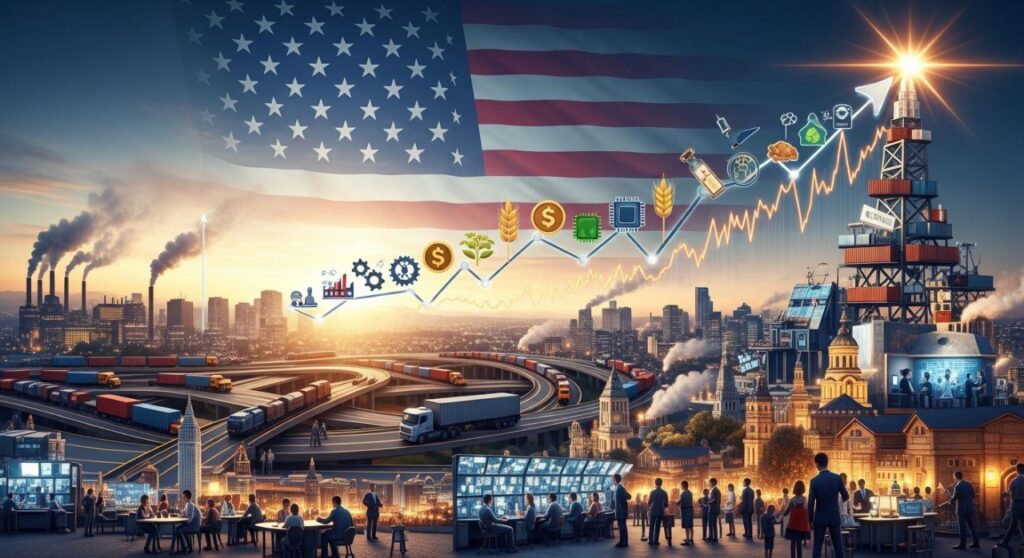
अमेरिका को सुपर इकोनॉमिक पावर किसने बनाया? क्या सिर्फ राष्ट्रपति और नीतियां? या कुछ ऐसे नाम, जिनकी सोच ने देश की दिशा बदल दी? डर ये है कि कहीं हम असली ताकत को पहचानने में चूक तो नहीं रहे… और जिज्ञासा ये कि वो पांच लोग कौन थे? अनिल अग्रवाल ने बताया कि अमेरिका की नींव नेताओं ने नहीं, बल्कि पांच उद्यमियों ने रखी। The Men Who Built America के अनुसार ये थे— Cornelius Vanderbilt, Andrew Carnegie, John D Rockefeller, JP Morgan और Henry Ford।
किसी ने रेलवे खड़ी की, किसी ने स्टील और तेल से उद्योग मजबूत किए, किसी ने बैंकिंग सिस्टम संभाला, और किसी ने कार को आम लोगों तक पहुंचाया। 19वीं सदी में लिए गए उनके फैसलों ने अमेरिका को औद्योगिक ताकत बना दिया। आज उसकी GDP 30 ट्रिलियन डॉलर से ज्यादा है… लेकिन असली सवाल ये है—क्या भारत में भी ऐसे पांच नाम उभरेंगे, या हम अभी भी इंतजार कर रहे हैं…?
अगर हमारे आर्टिकल ने आपको कुछ नया सिखाया हो, तो इसे शेयर करना न भूलें, ताकि यह महत्वपूर्ण जानकारी और लोगों तक पहुँच सके। आपके सुझाव और सवाल हमारे लिए बेहद अहम हैं, इसलिए उन्हें कमेंट सेक्शन में जरूर साझा करें। आपकी प्रतिक्रियाएं हमें बेहतर बनाने में मदद करती हैं।
GRT Business विभिन्न समाचार एजेंसियों, जनमत और सार्वजनिक स्रोतों से जानकारी लेकर आपके लिए सटीक और सत्यापित कंटेंट प्रस्तुत करने का प्रयास करता है। हालांकि, किसी भी त्रुटि या विवाद के लिए हम जिम्मेदार नहीं हैं। हमारा उद्देश्य आपके ज्ञान को बढ़ाना और आपको सही तथ्यों से अवगत कराना है।
अधिक जानकारी के लिए आप हमारे GRT Business Youtube चैनल पर भी विजिट कर सकते हैं। धन्यवाद!”