


Part 1: Introduction and the Fresher’s Dilemma


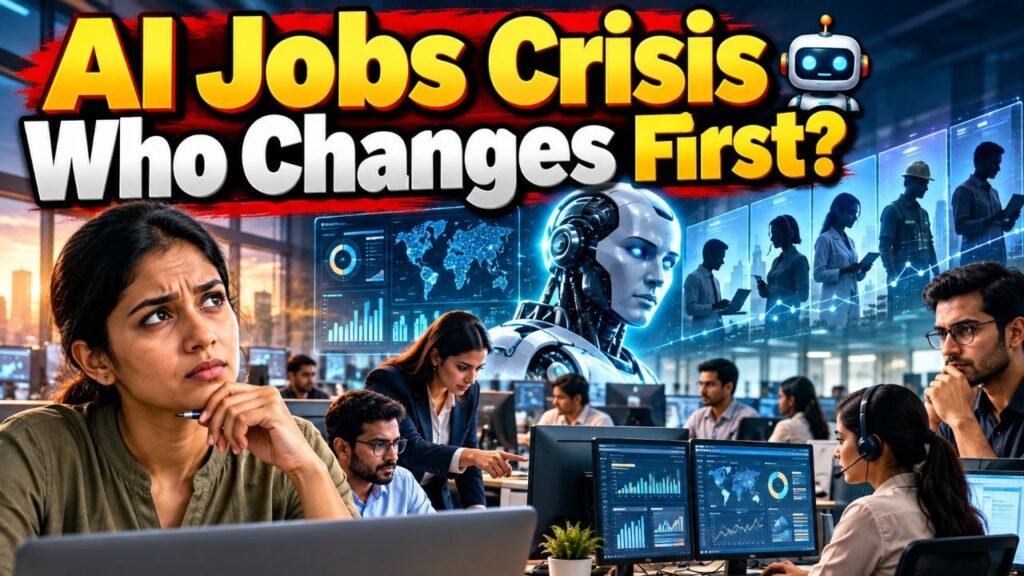
AI Jobs Crisis: सबसे पहले किसकी नौकरी बदलेगी?
सोचिए, एक fresher ने चार साल degree की, fees भरी, coding सीखी, English improve की, resume बनाया… और जब नौकरी ढूंढने निकला, तो सामने vacancy नहीं, एक AI tool खड़ा था।
The Reality Behind Tech Evolution
ऊपर से देखने पर यह सिर्फ technology upgrade लगता है। कंपनी कहती है productivity बढ़ेगी, cost घटेगी, customer को fast service मिलेगी। लेकिन अंदर का सवाल कहीं ज्यादा डराने वाला है।
अगर वही काम software कुछ seconds में कर दे, जिसके लिए पहले पूरी team लगती थी, तो नई hiring क्यों होगी? और अगर entry-level jobs ही कम हो गईं, तो युवा experience लाएंगे कहां से?
The Paradigm Shift in Career Ladder
यहीं AI की असली कहानी शुरू होती है। यह सिर्फ jobs खत्म करने की कहानी नहीं है। यह jobs के ladder को बदलने की कहानी है, जहां पहला step ही गायब होने लगा है।
अगर आपको career, AI और future jobs वाली ऐसी practical stories पसंद हैं, तो video को like कर दीजिए। क्योंकि यह topic सिर्फ tech people का नहीं, हर family का सवाल बन चुका है।
पहले एक simple बात समझिए। AI अचानक आसमान से नहीं गिरा। सालों से automation factories, banking और software में मौजूद था। फर्क यह है कि पहले machines repetitive काम करती थीं।
अब Generative AI लिख सकता है, बोल सकता है, code बना सकता है, design suggest कर सकता है, data पढ़ सकता है, customer से बात कर सकता है, और कुछ cases में decision support भी दे सकता है।
यानी पहले खतरा सिर्फ manual काम पर था। अब खतरा उन white-collar jobs पर भी दिख रहा है, जिन्हें लोग “safe career” मानकर चलते थे।
Part 2: Corporate Shift, BPO, and IT Sectors

सबसे बड़ा shock यही है। जिन sectors को middle-class growth का ticket माना गया था, जैसे software, BPO, content, digital marketing और support roles, वहीं सबसे पहले pressure दिख रहा है।
Corporate Efficiency and Hiring Slowdown
लेकिन इसका मतलब यह नहीं कि कल सुबह सारे office खाली हो जाएंगे। असली बदलाव धीरे-धीरे होता है। पहले hiring slow होती है, फिर team size छोटा होता है, फिर job description बदलता है।
कंपनी सीधे यह नहीं कहती कि AI ने नौकरी ले ली। वह कहती है, “हम efficiency improve कर रहे हैं, restructuring कर रहे हैं, productivity बढ़ा रहे हैं।”
अब business side से देखिए। अगर एक company को वही output 10 लोगों की जगह 4 लोग और AI tools देकर मिल जाए, तो उसके लिए यह tempting decision बन जाता है।
Salary, training, office space, benefits, management cost, leave, attrition—इन सबका खर्चा घटता है।
AI subscription comparatively cheaper लग सकता है, खासकर repetitive knowledge work में।
यहीं वजह है कि कई companies नई hiring रोककर पहले यह देख रही हैं कि मौजूदा employees AI से कितना काम निकाल सकते हैं।
फ्रेशर्स के लिए problem यहीं पैदा होती है। पहले junior roles training ground होते थे। simple coding, testing, data cleaning, support replies, documentation, basic design—इनसे career शुरू होता था।
लेकिन अब यही basic tasks AI tools से तेजी से हो रहे हैं। company सोचती है, junior hire करके train क्यों करें, जब senior employee AI की मदद से वही काम संभाल सकता है?
अब जरा सोचिए, अगर junior role कम होगा, तो future senior कहां से आएंगे? यही contradiction AI job market का सबसे बड़ा hidden risk है।
BPO and Support Roles Disruption
कॉल सेंटर और BPO sector में यह बदलाव सबसे साफ दिखता है।
पहले customer support में बड़ी teams लगती थीं। calls उठाना, complaints समझना, ticket बनाना, response देना—यह massive employment engine था।
আজ chatbots, voice bots और AI assistants customer queries को instantly handle कर रहे हैं। उन्हें break नहीं चाहिए, mood swing नहीं होता, और वे 24×7 available रहते हैं।
कंपनी के लिए यह dream solution है। customer को fast answer, management को lower cost, और operations में scalability। लेकिन employee के लिए सवाल सीधा है—मेरी जगह कहां है?
फिर भी यहां पूरी तस्वीर एकतरफा नहीं है। हर customer query simple नहीं होती। जब मामला emotional, complex, legal, refund-heavy या high-value customer का होता है, तब human judgment अभी भी जरूरी है।
इसलिए future का support role शायद call उठाने वाला नहीं, बल्कि AI के जवाब को supervise करने वाला, complex cases संभालने वाला और customer trust बचाने वाला होगा।
लेकिन जो लोग सिर्फ script पढ़कर जवाब देते थे, उनके लिए खतरा real है। क्योंकि AI script पढ़ने से आगे बढ़कर context समझने लगा है।
Part 3: Software Engineering and Creative Industries

अब software development पर आइए। कुछ साल पहले coding को सबसे secure skill माना जाता था। parents कहते थे—बेटा coding सीख लो, life set है।आज coding खत्म नहीं हुई, लेकिन coding का entry-level काम बदल गया है। AI code suggest करता है, bug ढूंढता है, test cases बनाता है, documentation लिखता है।
Software Engineering Evolution
इसका असर junior developers पर पड़ता है। पहले जो काम सीखने के लिए दिया जाता था, वही अब AI से जल्दी हो सकता है। इसलिए companies कम people में ज्यादा output चाहती हैं।
लेकिन यहां भी twist है। AI code लिख सकता है, पर business problem समझना, architecture decide करना, security risk पहचानना, customer need translate करना—ये अभी भी human-heavy काम हैं।
यानी जो developer सिर्फ syntax जानता है, वह risk में है। लेकिन जो developer system समझता है, product सोचता है और AI को सही direction देता है, उसकी value बढ़ सकती है।
अब सवाल उठता है—क्या AI सच में jobs खत्म कर रहा है या jobs की shape बदल रहा है? जवाब दोनों के बीच में है।
कुछ tasks जरूर गायब होंगे। data entry, basic translation, generic content, simple customer replies, repetitive reports—इनकी demand कम हो सकती है।
लेकिन कुछ नए roles भी बनेंगे। AI trainer, prompt specialist, automation consultant, AI auditor, cyber security analyst, data governance expert, human-AI workflow designer जैसे roles बढ़ सकते हैं।
World Economic Forum जैसे global job reports का broad संकेत यही रहा है कि आने वाले वर्षों में कई jobs displace होंगी, लेकिन नई jobs भी बनेंगी। असली challenge transition का है।
क्योंकि नई job बनना और पुराने worker का उस job तक पहुंचना, ये दोनों अलग बातें हैं। market में opportunity हो सकती है, लेकिन skill gap बहुत बड़ा हो सकता है।
एक 22 साल का fresher अगर AI tools सीख लेता है, तो वह जल्दी adapt कर सकता है। लेकिन 12 साल से एक ही process कर रहे employee के लिए बदलाव painful हो सकता है।
यहीं सरकारों, colleges और companies की responsibility आती है। सिर्फ “reskill yourself” बोल देना आसान है।
लेकिन reskilling को practical, affordable और job-linked बनाना मुश्किल है।
Pressure on Content and Creative Fields
अब content writing और creative fields की बात करते हैं। पहले blog, caption, ad copy, product description, basic script writing—इनसे हजारों freelancers कमाते थे।
Generative AI ने इस space में सबसे ज्यादा confusion पैदा किया है। client पूछता है—जब tool free में draft बना देता है, तो writer को पैसे क्यों दूं?
लेकिन असली फर्क draft और strategy में है। AI average content बना सकता है, पर brand voice, audience psychology, cultural timing, legal sensitivity और original insight अभी भी इंसानी काम है।
फिर भी जो लोग सिर्फ generic लिखते थे, उन्हें pressure झेलना पड़ेगा। अब market उस creator को reward करेगा जो AI output को better idea, better emotion और better accuracy में बदल सके।
Part 4: Marketing, Value Layers, and Student Reality

Graphic design में भी यही हो रहा है। basic thumbnails, posters, layouts और stock-style visuals AI से बन रहे हैं।
Digital Marketing and Value Creation
लेकिन brand identity, campaign thinking और final execution अभी भी human skill मांगते हैं।
Digital marketing में AI ads optimize कर सकता है, copy variations बना सकता है, audience segments suggest कर सकता है।
लेकिन पैसा कहां लगाना है, brand risk क्या है, और consumer behavior क्यों बदल रहा है—यह इंसान समझेगा।
यानी AI की वजह से सिर्फ jobs नहीं बदल रहीं। हर skill के अंदर low-value और high-value layer अलग हो रही है।
Low-value layer है repetitive execution। high-value layer है judgment, context, trust और responsibility। future में salary इसी difference पर depend करेगी।
Practical Advice for Students and Freshers
अब सबसे बड़ा डर students और parents का है। अगर campus placement घटे, internship कम हो, और companies experience मांगें, तो fresher शुरुआत कैसे करे?
यहां एक uncomfortable truth है। Degree अब अकेले काफी नहीं होगी। Degree plus proof of work चाहिए।
यानी projects, portfolio, internships, freelancing, case studies और AI-enabled output।
आपने course किया, यह कम important होगा। आपने AI की मदद से क्या solve किया, यह ज्यादा important होगा।
उदाहरण के लिए सिर्फ Python सीखना काफी नहीं। अगर आपने small business के लिए inventory dashboard बनाया, customer support bot बनाया, या local shop का sales data analyze किया, तो आपकी story मजबूत होगी।
AI era में resume की जगह evidence बोलेगा। certificates कम, काम ज्यादा। क्योंकि employer को अब सिर्फ मेहनत नहीं, outcome चाहिए।
लेकिन यहां एक और बड़ा सवाल है। अगर AI productivity बढ़ा देगा, तो क्या working hours कम होंगे या companies कम लोगों से ज्यादा काम लेंगी?History बताती है कि technology का फायदा अपने-आप बराबर distribute नहीं होता।
अगर policies, bargaining power और business ethics कमजोर हों, तो productivity gain company के profit में चला जाता है।
इसलिए AI सिर्फ technology issue नहीं है। यह economic issue भी है। फायदा किसे मिलेगा? employees को better tools मिलेंगे या layoffs?
customers को सस्ती service मिलेगी या सिर्फ companies का margin बढ़ेगा?
Part 5: Macro Economy and Actionable Strategy

भारत जैसे देश के लिए यह सवाल और बड़ा है। क्योंकि हमारी population young है, और हर साल लाखों students job market में आते हैं।
Macroeconomic Impact and Business Opportunities
BPO और I T services जैसे sectors ने भारत को global services economy में जगह दी। अगर यही sectors hiring model बदलते हैं, तो हमें नए employment engines बनाने होंगे।
Small businesses के लिए AI opportunity भी है। पहले जो काम महंगी agency करती थी, अब छोटा entrepreneur भी AI tools से कर सकता है—marketing, accounting, customer replies, product photos, basic website।
इससे competition democratize हो सकता है। लेकिन दूसरी तरफ, अगर सबके पास वही tools हैं, तो differentiation मुश्किल हो जाएगा।
तब winning factor होगा—आप customer को कितना समझते हैं, कितनी जल्दी experiment करते हैं, और AI को अपने business workflow में कितनी समझदारी से जोड़ते हैं।
Step-by-Step Survival Guide for Employees
अब employees के लिए practical question है—career बचाएं कैसे? इसका जवाब डर में नहीं, direction में है।
सबसे पहले अपने काम को tasks में तोड़िए। आपके job में कौन सा हिस्सा repetitive है, कौन सा judgment-based है, कौन सा relationship-based है, और कौन सा compliance या accountability वाला है।
जो हिस्सा repetitive है, वह AI से प्रभावित होगा। जो हिस्सा judgment, trust, negotiation, leadership, domain knowledge और responsibility मांगता है, उसकी value बच सकती है।
दूसरा कदम है AI को enemy की तरह नहीं, amplifier की तरह सीखना। सिर्फ tool का नाम जानना काफी नहीं। उसे अपने काम में use करना आना चाहिए।
अगर आप HR में हैं, तो AI से JD draft कराइए, लेकिन final hiring judgment खुद रखिए।
अगर आप finance में हैं, तो AI से report summarize कराइए, लेकिन numbers verify खुद कीजिए।
अगर आप developer हैं, तो AI से code लिखवाइए, लेकिन architecture, security और testing समझिए।
अगर आप writer हैं, तो AI से rough draft लीजिए, लेकिन story, emotion और fact-checking खुद जोड़िए।
तीसरा कदम है domain depth। सिर्फ AI prompt सीखने से long-term career नहीं बनेगा। AI plus domain knowledge ही असली edge देगा।
Healthcare, law, finance, agriculture, manufacturing, education, logistics—हर जगह AI आएगा।
लेकिन हर field की reality अलग है। जो person field समझता है, वही AI को सही काम दे पाएगा।
Part 6: Institutional Role, Mindset, and Conclusion

चौथा कदम है communication। आने वाले समय में वह व्यक्ति strong होगा जो complex चीजों को आसान भाषा में समझा सके।
Corporate, Government, and Educational Reforms
क्योंकि AI बहुत information देगा। लेकिन decision-makers को clarity चाहिए। कौन सा option सही है, risk क्या है, priority क्या है—यह explain करना human skill है।
अब companies के लिए भी warning है। अगर वे सिर्फ cost-cutting के लिए AI अपनाएंगी, तो short-term profit मिल सकता है, पर long-term skill pipeline टूट सकती है।
अगर juniors को मौका नहीं मिलेगा, तो future में senior talent shortage पैदा हो सकता है। इसलिए smart companies AI के साथ apprenticeship model को भी redesign करेंगी।
यानी fresher को हटाना नहीं, fresher को AI-enabled बनाना होगा। training का तरीका बदलना होगा, entry-level role की definition बदलनी होगी।
Government और education system को भी outdated syllabus से बाहर आना होगा। सिर्फ theory नहीं, live projects, AI literacy, data ethics, cyber safety और problem-solving skills पर focus चाहिए।
क्योंकि AI era में सिर्फ नौकरी मांगने वाला youth नहीं चलेगा। problem solve करने वाला youth चाहिए।
The Future Rule and Final Conclusion
अब सबसे हैरान करने वाली बात यह है कि AI से डरना और AI को blindly worship करना, दोनों गलत हैं।
डरेंगे तो adapt नहीं करेंगे। blindly trust करेंगे तो गलत output, bias, privacy risk और misinformation में फंस सकते हैं।
AI confident दिखता है, लेकिन हमेशा correct नहीं होता। यह wrong facts को भी polished भाषा में पेश कर सकता है। इसलिए human verification की value और बढ़ जाती है।
यही future का नया rule है। AI speed देगा, लेकिन इंसान direction देगा।
AI draft देगा, इंसान decision देगा।
AI pattern देखेगा, इंसान consequence समझेगा।तो क्या AI आपकी नौकरी ले लेगा? शायद नहीं। लेकिन AI का इस्तेमाल करने वाला व्यक्ति आपकी नौकरी जरूर challenge कर सकता है।
यह line डराने के लिए नहीं है। यह reality check है। future में competition सिर्फ इंसान बनाम AI नहीं होगा, बल्कि AI-enabled इंसान बनाम non-AI worker होगा।
और यही पूरी कहानी का payoff है। AI jobs को खत्म करने से ज्यादा jobs की value chain बदल रहा है।
जो काम easy to explain, easy to repeat और easy to measure है, वहां pressure बढ़ेगा।
जो काम trust, creativity, accountability और deep understanding मांगता है, वहां इंसानी value बनी रहेगी।
अब viewer के तौर पर आपको अपने career को एक सवाल से देखना चाहिए—मेरे काम का कौन सा हिस्सा machine कर सकती है, और कौन सा हिस्सा सिर्फ मेरे judgment से बेहतर होता है?
अगर इस सवाल का जवाब मिल गया, तो panic कम होगा और plan साफ होगा।
कल्पना कीजिए, एक fresher college से निकलता है, resume ready है, सपने ready हैं… लेकिन company कहती है, “ये काम अब AI कर लेगा।” डर नौकरी खोने का नहीं, career शुरू ही न होने का है।
पहले जो काम पूरी team करती थी, अब वही AI tools seconds में कर रहे हैं। इसलिए कई companies नई hiring रोककर existing staff को AI के साथ ज्यादा काम कराने लगी हैं।
सबसे ज्यादा झटका call center और BPO jobs को लग रहा है। Chatbots और virtual assistants customer की problems तुरंत handle कर रहे हैं। उन्हें break, salary hike या छुट्टी नहीं चाहिए।
Software और I T में भी कहानी पलट रही है। Junior coders, testing, bug fixing और basic writing जैसे काम AI assistants तेजी से कर रहे हैं।
अब असली सवाल यह है कि इस दौर में कौन बचेगा—degree वाला इंसान या AI चलाना जानने वाला इंसान? पूरी सच्चाई जानने के लिए discription में दिए लिंक पर क्लिक कर अभी पूरी वीडियो देखें।!
अगर हमारे आर्टिकल ने आपको कुछ नया सिखाया हो, तो इसे शेयर करना न भूलें, ताकि यह महत्वपूर्ण जानकारी और लोगों तक पहुँच सके। आपके सुझाव और सवाल हमारे लिए बेहद अहम हैं, इसलिए उन्हें कमेंट सेक्शन में जरूर साझा करें। आपकी प्रतिक्रियाएं हमें बेहतर बनाने में मदद करती हैं।
GRT Business विभिन्न समाचार एजेंसियों, जनमत और सार्वजनिक स्रोतों से जानकारी लेकर आपके लिए सटीक और सत्यापित कंटेंट प्रस्तुत करने का प्रयास करता है। हालांकि, किसी भी त्रुटि या विवाद के लिए हम जिम्मेदार नहीं हैं। हमारा उद्देश्य आपके ज्ञान को बढ़ाना और आपको सही तथ्यों से अवगत कराना है।
अधिक जानकारी के लिए आप हमारे GRT Business Youtube चैनल पर भी विजिट कर सकते हैं।
धन्यवाद!