


AI Citation का खतरा: Supreme Court ने NCLT का फैसला क्यों रद्द किया?

एक courtroom में सब कुछ normal लग रहा था। lawyers अपनी files लेकर खड़े थे, judge order पढ़ रहा था, और बाहर किसी company का future दांव पर था। लेकिन उस judgment के अंदर एक ऐसी चीज छिपी थी, जो किसी witness, document या contract से भी ज्यादा खतरनाक थी। वहां कुछ पुराने court decisions के नाम लिखे थे। दिखने में वे बिल्कुल real लग रहे थे, citation भी legal style में था, language भी confident थी।
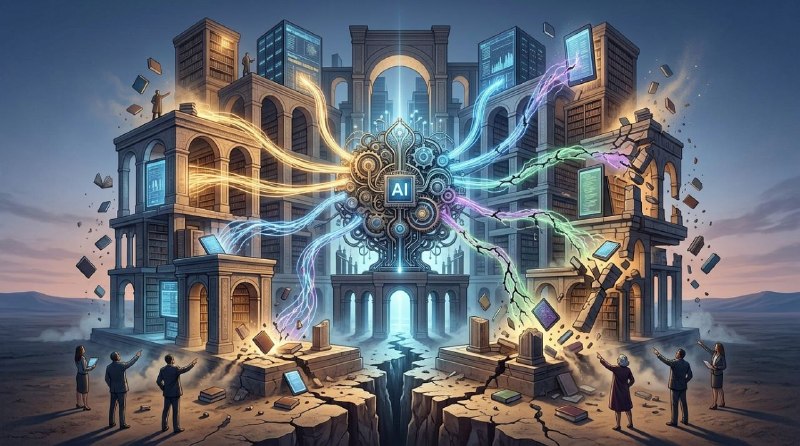
डर यहीं से शुरू होता है। अगर किसी court का फैसला ऐसे cases पर आधारित हो, जो कभी exist ही नहीं करते थे, तो न्याय की नींव कहां रह जाएगी? और curiosity यह है कि क्या AI अब legal research में helper है, या बिना verification के वह justice system के लिए silent poison बन सकता है? Supreme Court ने हाल ही में एक important judgment में इसी खतरे पर बहुत सख्त message दिया। मामला Essel Infraprojects से जुड़े insolvency dispute का था।
Case का बैकग्राउंड और NCLT का फैसला
Insolvency process की शुरुआत और अदालती आदेश
Case का नाम था Pooja Ramesh Singh versus Jammu and Kashmir Bank Limited. यह matter Insolvency and Bankruptcy Code के Section 7 application से जुड़ा था। Jammu and Kashmir Bank ने financial debt और default के आधार पर NCLT में application दी थी। Corporate debtor side Essel Infraprojects से connected थी। NCLT ने application admit की, interim resolution professional appoint हुआ, और insolvency process की direction में order चला गया। AI Citation
फिर मामला NCLAT गया। NCLAT ने भी NCLT के view को support किया। बाहर से लग रहा था कि ordinary insolvency litigation आगे बढ़ रहा है। लेकिन जब मामला Supreme Court पहुंचा, तो वहां एक shock सामने आया। जिन judicial precedents के सहारे reasoning बनाई गई थी, उनमें problem थी। Supreme Court ने पाया कि कुछ cited judgments non-existent थे। कुछ citations real cases से जुड़ी थीं, लेकिन उनसे जो paragraphs जोड़े गए थे, वे reports में थे ही नहीं। यानी यह simple typing mistake नहीं थी। यह ऐसा legal material था, जो असली जैसा दिखता था, लेकिन verification पर टूट जाता था। AI Citation
AI Hallucination का लीगल सिस्टम पर हमला
AI की दुनिया में इसे hallucination कहा जाता है। मतलब AI ऐसी information बना देता है, जो confident और polished दिखती है, पर सच नहीं होती। Legal field में यह और ज्यादा dangerous है, क्योंकि एक fake precedent सिर्फ गलत information नहीं, बल्कि किसी इंसान या company के rights को affect कर सकता है। Court ने साफ कहा कि judicial process fake या hallucinated material पर नहीं चल सकता। अगर decision की नींव imaginary law पर है, तो वह decision टिक नहीं सकता। AI Citation
सुप्रीम कोर्ट का ऐतिहासिक फैसला
Orders को set aside करना और मैरिट्स को ओपन छोड़ना
Supreme Court ने NCLT और NCLAT के orders set aside कर दिए। Section 7 application को वापस NCLT के सामने fresh consideration के लिए restore किया गया। यहां सबसे important बात समझिए। Supreme Court ने यह नहीं कहा कि bank का claim सही है या wrong। Merits open छोड़े गए। Court की चिंता यह थी कि फैसला genuine legal authorities पर आधारित होना चाहिए। AI Citation अगर law ही fake है, तो reasoning चाहे कितनी भी सुंदर दिखे, वह unsafe है।
यह case इसलिए historic है, क्योंकि AI hallucination अब सिर्फ students या office drafts की गलती नहीं रहा। यह court order तक पहुंच गया। कभी lawyer AI से draft बनाता है, कभी researcher case law खोजता है, कभी कोई assistant quick summary निकालता है। यही convenience risk बन सकती है। AI तेज है, लेकिन law में speed से ज्यादा सत्य जरूरी है। एक सेकंड में बना हुआ answer अगर fake हो, तो वह सालों की litigation बिगाड़ सकता है।
जीरो टॉलरेंस और एडवोकेट्स की जवाबदेही
Supreme Court ने कहा कि courts को AI-generated precedents, without verification पर zero tolerance रखना चाहिए। इसका मतलब है कि AI का output सिर्फ starting point हो सकता है। Final reliance तभी होनी चाहिए, जब citation official source या trusted law database से verify हो। AI Citation Court ने advocates को भी सख्त message दिया। अगर कोई advocate AI-generated fake judgments बिना verify किए court में cite करता है, तो यह professional misconduct हो सकता है।
एकाउंटेबिलिटी की नई परिभाषा
मशीन की गलती पर इंसान की जिम्मेदारी
यह line बहुत बड़ी है। अब कोई lawyer यह बहाना नहीं कर सकता कि AI ने दिया था, इसलिए मैंने use कर लिया। Court में filing करने वाला इंसान responsible है। Machine गलती करे, फिर भी जवाबदेही उस person की होगी जिसने उसे verify किए बिना present किया। Supreme Court ने judges को भी caution किया। अगर judge fake या hallucinated AI material को precedent मानकर rely करता है, तो यह serious lapse है। क्योंकि judgment पर signature machine का नहीं होता। Judgment human institution की authority से आता है।
AI answer generate कर सकता है, लेकिन न्याय का अंतिम भार judge, lawyer और legal system पर ही रहता है। इस case में एक और interesting point आया। Record के अनुसार bank की तरफ से कहा गया कि उसके lawyers ने disputed fake authorities cite नहीं की थीं। Supreme Court ने note किया कि tribunal ने उन्हें अपनी own research से obtain किया था। यह point accountability को और complicated बना देता है। अगर fake material advocate से आया होता, तो blame का रास्ता आसान दिखता। लेकिन जब material adjudicatory process के अंदर आया, तो सवाल बड़ा हो गया।
ट्रिब्यूनल की विफलता और उसके गंभीर परिणाम
किसने research की? क्या AI tool use हुआ? क्या output verify हुआ? क्या NCLAT ने check किया? ये सवाल justice system के process से जुड़ते हैं। NCLAT की failure भी important थी। Appellate tribunal ने NCLT reasoning को examine करते समय fake authorities को पकड़ नहीं पाया। यानी hallucinated law एक level से दूसरे level तक चला गया। यही बात Supreme Court को ज्यादा alarming लगी।
रियल वर्ल्ड पर इसका असर
संस्थागत चेतावनी और बार काउंसिल को निर्देश
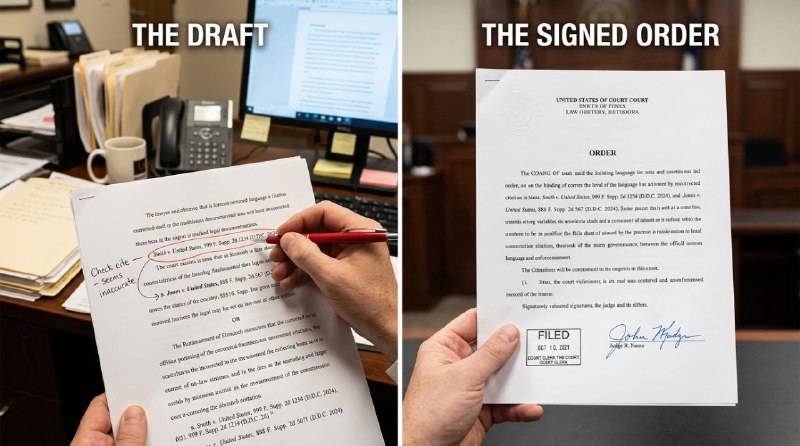
एक fake citation अगर draft में रह जाए, तो correction possible है। लेकिन वही citation signed order में चला जाए, तो उसका असर real world में शुरू हो जाता है। Insolvency case में ऐसा order company control, moratorium, creditors और management पर serious असर डाल सकता है। इसलिए यह कोई छोटी legal technicality नहीं थी। यह एक institutional warning थी कि AI legal system में बिना guardrail नहीं आ सकता।
Supreme Court ने Bar Council of India को भी issue examine करने को कहा। जरूरत पड़े तो rules और disciplinary framework बनाए जा सकते हैं। BCI lawyers की professional conduct से जुड़ा regulator है। अगर AI misuse पर clear rules बनते हैं, तो future में advocates के लिए accountability sharp हो जाएगी। Legal profession में यह नया era है। पहले lawyer की गलती wrong citation, outdated law या misreading तक limited दिखती थी। अब नई गलती है, ऐसा case cite कर देना जो कभी हुआ ही नहीं। AI-generated confidence इस गलती को और dangerous बना देता है।
शॉर्टकट का जाल और वेरिफिकेशन का अनुशासन
क्योंकि hallucinated citation अक्सर कमजोर नहीं दिखता। वह proper party names, SCC style references, paragraphs और legal tone के साथ आता है। एक overworked lawyer, intern या researcher उसे देखकर मान सकता है कि यह real है। यही AI hallucination की सबसे खतरनाक खूबी है। वह झूठ को doubt के साथ नहीं, confidence के साथ लिखता है। AI Citation Legal research में पहले verification का discipline naturally था। किताब खोलनी पड़ती थी, database search करना पड़ता था, judgment पढ़ना पड़ता था। AI Citation
सच और झूठ का मिश्रण
एआई की सही भूमिका और उसकी सीमाएं
AI ने shortcut दिया। लेकिन shortcut ने एक नया trap भी बना दिया, जहां answer पहले आता है और verification बाद में भूल जाती है। Supreme Court का message यही है कि law में verification optional नहीं है। हर citation, हर quote, हर precedent cross-check होना चाहिए। अगर कोई judgment Supreme Court का बताया गया है, तो वह official record, reliable legal database या authenticated source पर मिलना चाहिए। AI Citation अगर citation real है, तो भी quoted paragraph verify होना चाहिए। क्योंकि कई बार AI real case name के साथ fake paragraph जोड़ देता है। AI Citation
यही इस case में भी problem का हिस्सा था। कुछ authorities पूरी तरह fake थीं, और कुछ में genuine citations के साथ invented content जोड़ा गया था। यह बात आम लोगों के लिए भी समझना जरूरी है। AI सिर्फ गलत answer नहीं देता, AI Citation कई बार आधा सच और आधा झूठ मिलाकर देता है। Legal field में आधा झूठ भी full damage कर सकता है। आज AI का use courts में completely banned नहीं है। AI Citation Supreme Court ने ऐसा नहीं कहा कि AI कभी use नहीं हो सकता। AI translation, summarisation, document sorting, research assistance और accessibility में मदद कर सकता है। लेकिन AI judge नहीं बन सकता। AI precedent का final source नहीं बन सकता। AI के output को law मान लेना dangerous है। AI Citation
भविष्य की चुनौतियाँ और अंतिम सबक
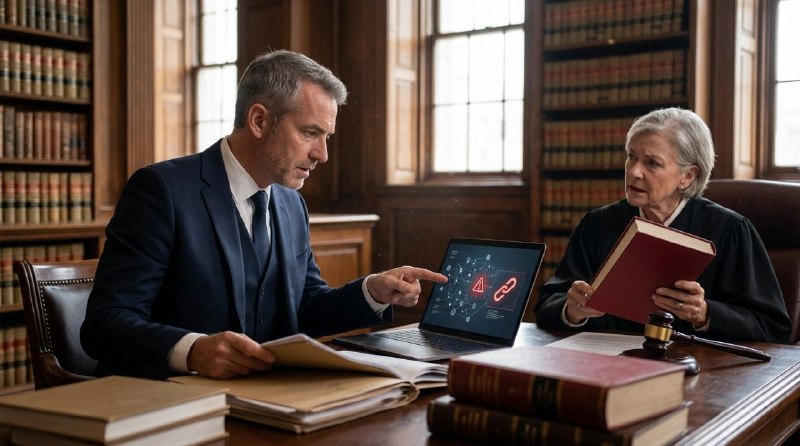
Court ने essentially कहा कि AI एक tool है, authority नहीं। Tool से मदद ली जा सकती है, लेकिन भरोसा verification के बाद ही किया जा सकता है। यह बात सिर्फ lawyers के लिए नहीं, students और content creators के लिए भी important है। AI Citation अगर आप AI से legal script, business advice, health information या financial content बनाते हैं, तो fact-check जरूर करें। क्योंकि audience आपकी बात पर भरोसा कर सकती है। और गलत legal information किसी को गलत complaint, गलत deadline या गलत decision की तरफ ले जा सकती है। AI Citation AI के आने से responsibility कम नहीं हुई, बढ़ गई है। पहले गलती ढूंढना writer का काम था, अब AI की गलती पकड़ना भी writer का काम है। AI Citation
ज्यूडिशियरी के लिए ट्रेनिंग और ह्यूमन डिसिप्लिन
न्याय की बुनियाद में सच का महत्व
Judiciary के लिए भी training जरूरी होगी। Judges, tribunal members, clerks और researchers को समझना होगा कि AI output कैसे verify करना है। Court systems को शायद future में citation-checking tools, AI-use disclosure और official databases से linked verification protocols चाहिए होंगे। लेकिन technology alone solution नहीं है। आखिर में human discipline ही सबसे बड़ा safeguard रहेगा। अगर किसी researcher को जल्दी है, किसी judge पर workload है, और किसी lawyer को deadline है, तब hallucination slipping का risk बढ़ता है। Indian courts पहले से massive pendency और workload से जूझते हैं। ऐसे में AI speed का आकर्षण और मजबूत हो जाता है। लेकिन speed अगर गलत law लेकर आए, तो वह न्याय को fast नहीं, fragile बनाती है। AI Citation
इस judgment का symbolic impact बहुत बड़ा है। Supreme Court ने बता दिया कि legal system AI को welcome कर सकता है, लेकिन blind trust नहीं करेगा। एक fake precedent law की दुनिया में नकली नोट जैसा है। वह दिखता real है, चलता कुछ देर है, लेकिन पकड़े जाने पर पूरा भरोसा तोड़ देता है। Courtrooms trust पर चलते हैं। Judge भरोसा करता है कि lawyer सही citation दे रहा है। Lawyer भरोसा करता है कि database reliable है। जब AI hallucination इस chain में घुसता है, तो हर link suspicious हो जाता है। तब court को हर citation verify करनी पड़ेगी, और process धीमा हो जाएगा। इसलिए fake AI citations सिर्फ एक case की problem नहीं, पूरे system के trust की problem हैं। AI Citation
Supreme Court ने अपने judgment से यही boundary खींची है। AI का इस्तेमाल करो, लेकिन उसे unchecked मत छोड़ो। Advocate cite करे तो verify करे। Judge rely करे तो verify करे। Tribunal research करे तो source trace करे। यह decision आने वाले समय में legal education को भी बदल सकता है। Law students को अब सिर्फ case law पढ़ना नहीं, AI-generated legal output को test करना भी सीखना होगा। AI Citation Firms और chambers को internal AI policy बनानी पड़ सकती है। कौन tool use करेगा, citation कैसे verify होगी, final responsibility किसकी होगी। Courts को भी शायद disclosure culture अपनाना पड़े। अगर AI-assisted research use हुई है, तो verification record maintain करना useful हो सकता है। AI Citation
लेकिन सबसे बड़ी बात ethics की है। Law में शब्द सिर्फ शब्द नहीं होते, वे किसी की liberty, property, reputation और future तय कर सकते हैं। अगर एक fake citation किसी company को insolvency में धकेल दे, किसी accused को bail से दूर कर दे, या किसी victim को justice से रोक दे, तो damage real है। AI ने legal profession को शक्तिशाली tool दिया है। लेकिन शक्ति के साथ सावधानी भी चाहिए। AI Citation Supreme Court का यह फैसला AI के खिलाफ नहीं, careless AI use के खिलाफ है। यह judgment कहता है कि technology court की मदद कर सकती है, लेकिन court की आत्मा नहीं बन सकती। क्योंकि न्याय सिर्फ pattern matching नहीं है। न्याय facts, law, context, conscience और human responsibility का combination है। Machine language बना सकती है, लेकिन fairness महसूस नहीं कर सकती। AI citation बना सकता है, लेकिन उसकी सच्चाई की कसम नहीं खा सकता। AI Citation
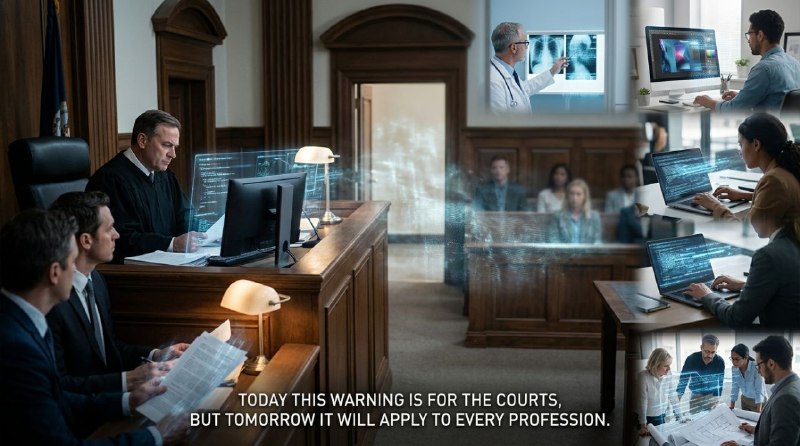
इसलिए जब भी कोई legal document AI से बने, तो पहला सवाल होना चाहिए, क्या यह सच है? दूसरा सवाल होना चाहिए, इसका source क्या है? और तीसरा सवाल होना चाहिए, अगर यह गलत निकला, तो जिम्मेदार कौन होगा? Supreme Court ने इस case में जवाब साफ कर दिया है। जिम्मेदारी इंसान की है, और fake law के लिए tolerance zero होना चाहिए। आज यह warning courts के लिए आई है, लेकिन कल यह हर profession पर लागू होगी। Doctor AI advice verify करेगा। Journalist AI facts check करेगा। Teacher AI material परखेंगे। Business owner AI contract blindly sign नहीं करेगा। क्योंकि AI जितना powerful होगा, उतनी ही ज्यादा human verification की जरूरत होगी। Essel Infraprojects case ने हमें एक डरावना mirror दिखाया है। अगर fake citation judgment में घुस सकता है, तो कोई भी professional document safe नहीं है। AI Citation
लेकिन इस story में hope भी है। Supreme Court ने गलती पकड़ ली, order set aside किया और system को alert कर दिया। अब challenge यह है कि warning headline बनकर न रह जाए। उसे training, rules और daily discipline में बदलना होगा। क्योंकि justice system में एक fake precedent भी छोटा नहीं होता। वह पूरी reasoning को poison कर सकता है। और जब न्याय की नींव में झूठ घुस जाए, तो सबसे पहले building नहीं गिरती, लोगों का भरोसा गिरता है। इसलिए आज का सबसे बड़ा lesson यही है। AI से मदद लीजिए, लेकिन आंख बंद करके भरोसा मत कीजिए। क्योंकि court में फैसला algorithm नहीं सुनाता। आखिर में न्याय इंसान करता है, और इंसान को ही सच की जिम्मेदारी उठानी पड़ती है। AI Citation सोचिए, अदालत में किसी का भविष्य तय हो रहा है। सामने कानून की किताबें हैं, पुराने फैसलों के हवाले हैं, और सबको भरोसा है कि फैसला सच पर खड़ा है। लेकिन डर यहीं से शुरू होता है। अगर जिन court citations पर फैसला आधारित है, वे असली हों ही नहीं, बल्कि AI ने खुद बना दिए हों, तो न्याय की नींव कितनी खतरनाक हो सकती है? Essel Infraprojects से जुड़े insolvency case में Supreme Court ने पाया कि NCLT के फैसले में कुछ ऐसे judicial precedents का हवाला था, जिनका कोई असली रिकॉर्ड नहीं मिला। Court ने कहा कि AI तेज जरूर है, लेकिन वह hallucination में झूठी जानकारी भी असली जैसी बना सकता है। AI Citation बिना verify किए AI पर भरोसा करना justice system के लिए विनाशकारी हो सकता है। सबसे बड़ा मोड़ यह है कि Supreme Court ने NCLT का फैसला रद्द कर दिया और lawyers-judges दोनों को चेताया। पूरी सच्चाई जानने के लिए discription में दिए लिंक पर क्लिक कर अभी पूरी वीडियो देखें।! AI Citation
अगर हमारे आर्टिकल ने आपको कुछ नया सिखाया हो, तो इसे शेयर करना न भूलें, ताकि यह महत्वपूर्ण जानकारी और लोगों तक पहुँच सके। आपके सुझाव और सवाल हमारे लिए बेहद अहम हैं, इसलिए उन्हें कमेंट सेक्शन में जरूर साझा करें। आपकी प्रतिक्रियाएं हमें बेहतर बनाने में मदद करती हैं।
GRT Business विभिन्न समाचार एजेंसियों, जनमत और सार्वजनिक स्रोतों से जानकारी लेकर आपके लिए सटीक और सत्यापित कंटेंट प्रस्तुत करने का प्रयास करता है। हालांकि, किसी भी त्रुटि या विवाद के लिए हम जिम्मेदार नहीं हैं। हमारा उद्देश्य आपके ज्ञान को बढ़ाना और आपको सही तथ्यों से अवगत कराना है।
अधिक जानकारी के लिए आप हमारे GRT Business Youtube चैनल पर भी विजिट कर सकते हैं।
धन्यवाद!