


भाग 1: दिखावे से ज्यादा अनुभव पर जोर!


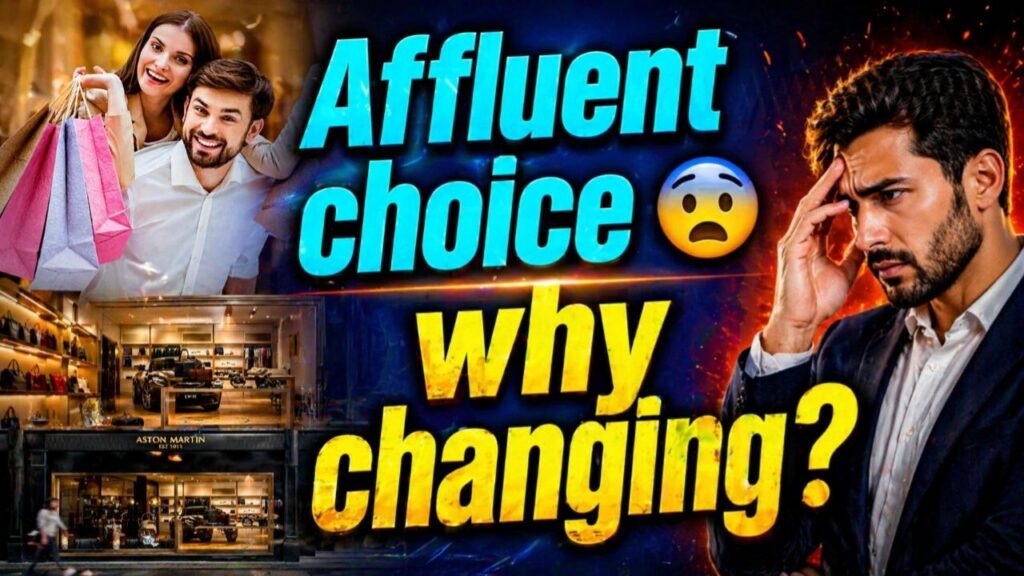
दिखावे से ज्यादा अनुभव पर जोर! affluent consumers की नई पसंद ने रिटेल बाजार के सामने खड़ी की बड़ी चुनौती। रात का समय है। एक बड़े शहर के चमकते mall में रोशनी वैसे ही फैली हुई है, जैसे किसी festival की रात हो। luxury brands के शो-रूम जगमगा रहे हैं, perfume की खुशबू हवा में तैर रही है, और storefronts इतने polished हैं कि देखकर लगता है, बस खरीदारी की बाढ़ आने वाली है। लेकिन अंदर की कहानी कुछ और है। affluent consumers
रईस ग्राहकों की बदलती प्राथमिकताएं
कई रईस ग्राहक अब showroom में सिर्फ bag, watch या jacket देखने नहीं आते, वे पूछते हैं—यहां experience क्या है, exclusivity क्या है, personalization क्या है। डर इस बात का है कि अगर retail ने यह बदलाव नहीं समझा, तो चमकदार stores होने के बावजूद ग्राहक जेब खोलने की जगह कहीं और चले जाएंगे। affluent consumers
जिज्ञासा और नई पसंद का जन्म
और जिज्ञासा यहीं जन्म लेती है कि आखिर ऐसा क्या बदल गया कि, चीजें खरीदने की जगह यादें खरीदना अमीर ग्राहकों की नई पसंद बन गया। भारत में affluent consumers की spending बढ़ रही है, लेकिन उस spending का character बदल रहा है। Mint की हालिया रिपोर्ट के मुताबिक, wealth बढ़ने के साथ retail पर होने वाले कुल खर्च का हिस्सा घट रहा है। Emerging affluent households में जहां करीब आधा खर्च retail goods पर जाता है, वहीं बहुत affluent households में यह share करीब 28 percent तक सिमट जाता है। affluent consumers
भाग 2: खर्च का नया रुख और स्ट्रक्चरल बदलाव
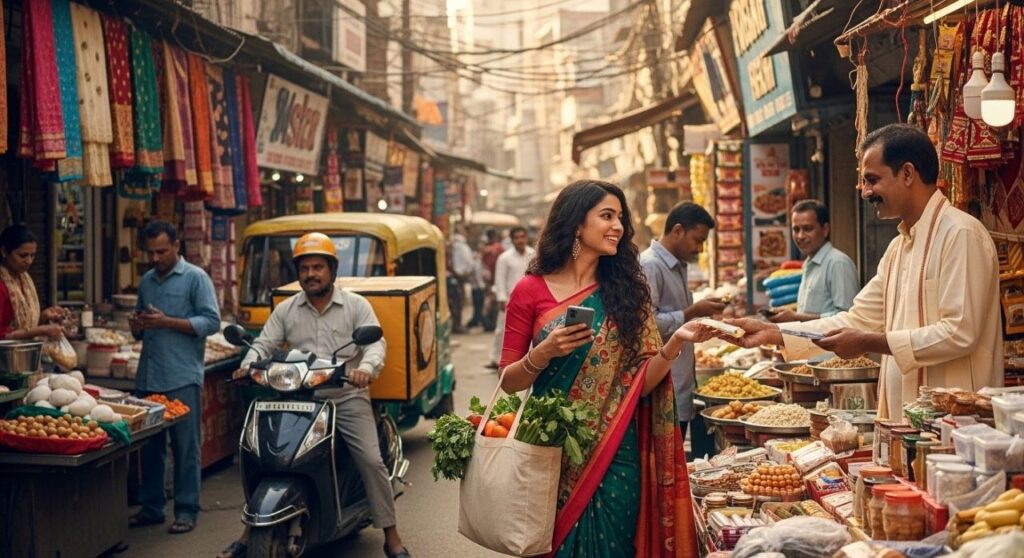
यानी पैसा कम नहीं खर्च हो रहा, लेकिन उसका रुख बदल रहा है। Fashion, accessories और gadgets अब भी मौजूद हैं, पर उनके साथ travel, fine dining, curated events और lifestyle experiences ने बहुत मजबूत जगह बना ली है। affluent consumers यहीं से retail sector के लिए असली challenge शुरू होता है। पहले luxury का मतलब अक्सर visible ownership से जोड़ा जाता था। कौन सा bag है, कौन सी watch है, कौन सी car है, कौन सा phone है। affluent consumers
विजिबल ओनरशिप से एक्सेस की ओर
लेकिन अब affluent buyer के लिए status का मतलब सिर्फ possession नहीं, access भी बनता जा रहा है। किस concert में गए, कौन सा wellness retreat किया, किस chef’s table का हिस्सा बने, किस private event में invitation मिला—ये बातें नई social currency बनती जा रही हैं। affluent consumers
कंजम्पशन बिहेवियर का गहरा बदलाव
यही वजह है कि चीजों की दुनिया से अनुभवों की दुनिया की तरफ यह shift सिर्फ fashion trend नहीं, consumption behavior का structural change दिखाई दे रहा है। इस बदलाव को केवल भावना समझना गलती होगी, क्योंकि इसके पीछे ठोस आंकड़े भी हैं। उसी रिपोर्ट के मुताबिक, affluent Indians premium खरीदारी से दूर नहीं हुए हैं। उल्टा, 4 में से 3 affluent Indians हर quarter में कम से कम एक expensive purchase करते हैं, और 4 में से 1 व्यक्ति हर दो हफ्ते में कोई premium product खरीदता है। affluent consumers
भाग 3: लाइफस्टाइल बास्केट और स्टोर की नई कहानी

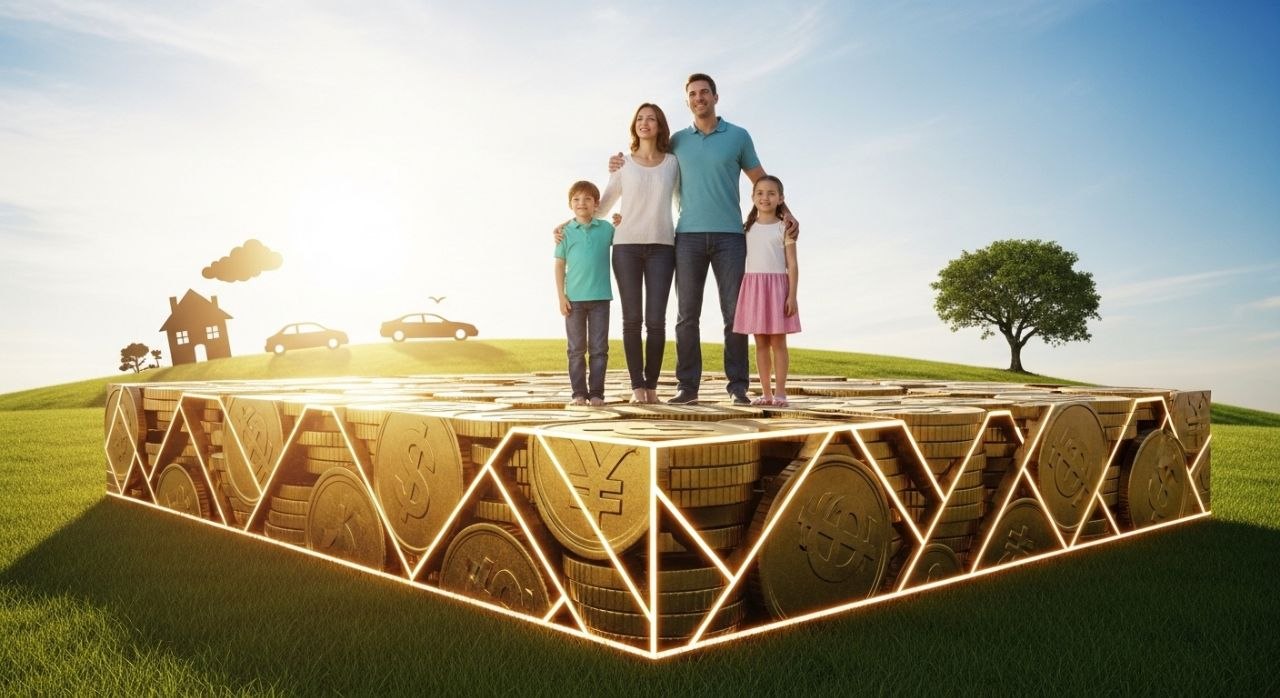
इसका मतलब यह नहीं कि luxury shopping खत्म हो रही है। असली बात यह है कि luxury shopping अकेली नहीं रह गई है। अब वह एक wider lifestyle basket का हिस्सा बन गई है, जहां jewelry, high-end gadgets और premium fashion के साथ travel itineraries, fine dining reservations, wellness escapes और event-led spending भी बराबरी से जगह ले रहे हैं। सोचिए, यह बदलाव कितना गहरा है। affluent consumers
प्रोडक्ट से ब्रांड इमर्शन का सफर
पहले consumer mall में जाता था, product चुनता था, बिल भरता था और लौट आता था। अब affluent buyer चाहता है कि पूरा journey curated हो। उसे store में सिर्फ shelves नहीं, story चाहिए। सिर्फ display नहीं, discovery चाहिए। सिर्फ sales executive नहीं, advisor चाहिए। सिर्फ product trial नहीं, brand immersion चाहिए। affluent consumers
रिटेल का नया मंच और मेमोरेबल विजिट
यही वजह है कि retail अब केवल वस्तु बेचने का काम नहीं रह गया, बल्कि एक stage बनता जा रहा है, जहां brands को हर visit को memorable बनाना पड़ रहा है। Retail experts भी यही कह रहे हैं कि, affluent consumers के लिए spending का मतलब अब utility से आगे बढ़ चुका है। जब household income ऊपर जाती है, तो spending का focus basic ownership से हटकर identity, comfort और memorable moments की तरफ जाने लगता है। affluent consumers
भाग 4: अनुभवों का आर्थिक प्रभाव और मनोवैज्ञानिक पहलू
यही कारण है कि concerts, private gatherings, destination travel, gourmet experiences और wellness formats affluent households की baskets में तेजी से ऊपर आए हैं। भारत का live events market भी इसी wider trend का हिस्सा माना जा रहा है। EY Parthenon और Book MyShow की report के मुताबिक, live experiences brand engagement और consumer recall पर measurable असर डाल रही हैं। यानी experience अब सिर्फ entertainment नहीं, economic behavior का powerful driver बन चुका है।
साइकोलॉजी और एक्सपीरियंस प्रीमियम
अब सवाल यह है कि जब affluent spending बढ़ रही है, तो retail share घट क्यों रहा है। इसका जवाब psychology में छुपा है। जब किसी व्यक्ति के पास wealth और options दोनों बढ़ जाते हैं, तो वह अक्सर एक ही category में endlessly spending नहीं करता। वह चीजों के collection से आगे निकलकर time, comfort और exclusivity की quality पर खर्च करने लगता है। affluent consumers
ब्रांड्स के लिए संकट और अवसर
एक और luxury handbag शायद कुछ समय बाद excitement कम दे, लेकिन एक rare dining experience, a private cultural evening, ya a carefully planned international holiday उसे ज्यादा emotional satisfaction दे सकती है। यही “experience premium” आज affluent consumption की नई धुरी बन रहा है। इसका मतलब retail sector के लिए संकट है, लेकिन अवसर भी है। संकट इसलिए, क्योंकि पुराना model—better product, bigger store, brighter lighting—अब अपने दम पर काफी नहीं है। affluent consumers
भाग 5: मॉल कल्चर का रूपांतरण और ग्राहकों की मांग

अवसर इसलिए, क्योंकि जो brands जल्दी समझ जाएंगे कि affluent buyer को environment, attention, customization और memory भी चाहिए, वे इस shift का फायदा उठा सकते हैं। CBRE ने experiential retail पर अपने analysis में लिखा कि, malls और retail spaces increasingly immersive environments बनाने की कोशिश कर रहे हैं, जिनमें interactive art, pop-up events, gourmet zones और wellness-led spaces शामिल हैं। यानी retail अब transaction से relation की तरफ बढ़ रहा है। यही कारण है कि कई companies अपने stores को फिर से design कर रही हैं। affluent consumers
डिजाइन में बदलाव और पर्सनल टच
अब product को glass shelf पर रख देना काफी नहीं समझा जा रहा। Personalized service, appointment-based shopping, private lounges, live customization, digital mirrors, interactive displays, in-store cafes, even cultural programming जैसे formats बढ़ रहे हैं। Affluent buyer के लिए convenience तो जरूरी है ही, लेकिन उससे भी ज्यादा जरूरी है “feel”। उसे लगना चाहिए कि वह किसी ordinary shopping floor पर नहीं, बल्कि किसी carefully designed experience universe में आया है। अगर brand यह एहसास नहीं दे पाता, तो ग्राहक online order कर देगा, और store उसकी जिंदगी में irrelevant होता चला जाएगा। affluent consumers
मॉल से लाइफस्टाइल इकोसिस्टम तक
Mall culture में भी यही transformation साफ दिख रहा है। पहले malls shopping destination थे, फिर they became hangout spaces, और अब वे lifestyle ecosystems बनते जा रहे हैं। Gaming, bowling, food experiences, events, indoor entertainment और community activity zones अब सिर्फ side attraction नहीं रहे। CBRE और Invest India से जुड़े survey findings के अनुसार, experience-based entertainment के लिए participatory options—जैसे bowling, escape rooms और amusement formats—को मजबूत preference मिल रही है, और food-plus-entertainment combination भी खासा लोकप्रिय हो रहा है। affluent consumers
भाग 6: भविष्य का रिटेल और अंतिम निष्कर्ष
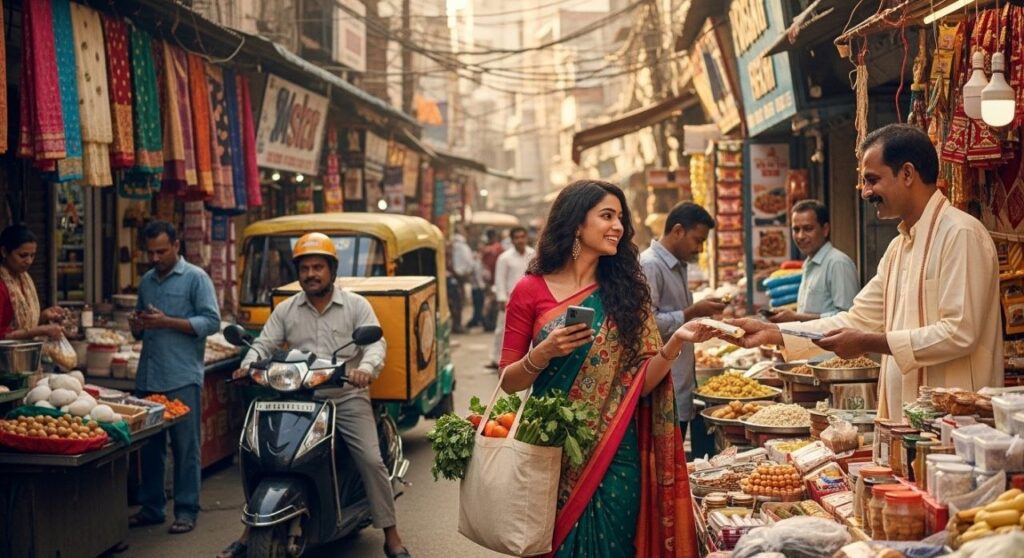
इससे साफ है कि लोगों को केवल सामान नहीं, पूरा day-out चाहिए। खासकर younger affluent consumers में यह trend और तेज है। यह generation ownership को पूरी तरह reject नहीं करती, लेकिन experiences को अपनी identity का हिस्सा ज्यादा मानती है। उन्हें ऐसी जगहें चाहिए जहां content भी बने, memory भी बने, social value भी बने, aur personal satisfaction भी मिले। एक exclusive dinner, a members-only event, a premium wellness experience या a travel-led celebration उनके लिए सिर्फ खर्च नहीं, self-expression बन चुका है। इसलिए mall visit का मतलब अब shopping list पूरी करना नहीं, एक story collect करना भी है। affluent consumers
रिटेल रियल एस्टेट का दबाव
लेकिन retail के लिए यह story इतनी आसान नहीं है। क्योंकि experience बनाना product बेचने से कहीं ज्यादा मुश्किल है। Product inventory, pricing और merchandising एक तरह का science है; लेकिन experience design में atmosphere, human behavior, service training, taste, community, technology और storytelling सब शामिल हो जाते हैं। यही वजह है कि जिन brands ने यह बदलाव जल्दी नहीं समझा, उनके stores चमकते हुए भी flat महसूस हो सकते हैं। बाहर से premium, अंदर से predictable—और आज का affluent customer predictability से जल्दी ऊब जाता है। India के retail real estate landscape में भी यह बदलाव pressure create कर रहा है। affluent consumers
भविष्य की जीत और वीडियो का बुलावा
JLL India के मुताबिक 2,025 में malls ने retail leasing activity का बड़ा हिस्सा capture किया, जबकि organized retail demand मजबूत बनी रही। इसका मतलब यह है कि brands physical spaces छोड़ नहीं रहे, बल्कि उन spaces से ज्यादा value निकालना चाहते हैं। दूसरी तरफ Reuters की एक report यह भी दिखाती है कि, India में true luxury mall space अभी बहुत limited है, और high-end brands को quality space की कमी face करनी पड़ रही है। यानी affluent demand है, brands की interest है, लेकिन premium physical ecosystem अभी भी पूरी तरह पर्याप्त नहीं है। यहीं “बड़ी चुनौती” का असली अर्थ समझ आता है। Challenge यह नहीं कि affluent Indians spending कम कर रहे हैं। affluent consumers Challenge यह है कि वे smarter, more selective और more experience-oriented हो रहे हैं। अगर retail brand अब भी सोचता है कि सिर्फ expensive products, fancy packaging और celebrity campaign से काम चल जाएगा, तो शायद वह नए ग्राहक को पूरी तरह नहीं समझ रहा। आज का affluent buyer पूछ रहा है—क्या यह brand मुझे समझता है, क्या यह मेरा time value करता है, क्या यह मुझे कुछ ऐसा देता है जो सिर्फ purchase नहीं, memory बने। यह trend केवल luxury fashion या premium gadgets तक सीमित नहीं है। Beauty, dining, travel, events, jewelry और even home categories में भी consumers, personalization और emotional relevance पर ज्यादा ध्यान देने लगे हैं। Reuters ने पिछले साल India को global beauty और luxury brands के लिए major growth market बताया था, लेकिन साथ ही यह भी दिखाया कि local conditions, consumer preferences और, category-specific adaptation अब पहले से ज्यादा जरूरी हो चुके हैं। इसका मतलब है कि India में rich consumer को सिर्फ imported aspiration नहीं चाहिए; उसे relevance भी चाहिए, local understanding भी और service excellence भी। एक और महत्वपूर्ण बात यह है कि retail खत्म नहीं हो रहा, उसका role evolve हो रहा है। यह कहना गलत होगा कि अब लोग products खरीदना छोड़ देंगे। ऐसा बिल्कुल नहीं है। Premium buying मजबूत बनी हुई है। Jewelry और high-end gadgets जैसी categories में spending जारी है। लेकिन अब product, experience का competitor नहीं, साथी बनता जा रहा है। उदाहरण के लिए, एक luxury watch की purchase अगर private consultation, storytelling session, members-only preview और post-sale relationship के साथ आती है, तो वही product एक plain transaction से कहीं ज्यादा powerful बन जाता है। Future retail शायद यहीं जीतेगा—जहां वस्तु और अनुभव एक-दूसरे को मजबूत करें। इसलिए brands के लिए असली सवाल अब यह नहीं है कि “हम क्या बेचते हैं”, बल्कि यह है कि “हम ग्राहक को कैसा महसूस कराते हैं”। क्या ग्राहक को store में आने का reason है? क्या repeat visit के लिए कोई emotional pull है? क्या space social और sensory दोनों स्तर पर appealing है? क्या food, leisure, discovery और community elements integrated हैं? क्या human interaction warm और intelligent है? अगर जवाब हां है, तो retail अभी भी बहुत मजबूत future रखता है। affluent consumers अगर जवाब नहीं है, तो richest customer भी शायद wallet लेकर किसी दूसरी दुनिया में चला जाएगा—जहां उसे सिर्फ luxury नहीं, meaning भी मिले। आने वाले समय में malls और stores शायद और ज्यादा hybrid बनेंगे। Shopping के साथ live events, wellness formats, private previews, curated dining, creators के साथ collaborations, digital layering और community programming जैसे elements बढ़ेंगे। यही वजह है कि कई analysts इस बदलाव को temporary phase नहीं, long-term structural shift मानते हैं। India का affluent base बढ़ रहा है, लेकिन उसके साथ expectations भी बढ़ रही हैं। और expectation का मतलब अब सिर्फ “better product” नहीं, “better life moment” है। अंत में पूरी कहानी एक सीधी-सी बात पर आकर टिकती है। अमीर ग्राहक अब कम खर्च नहीं कर रहा, वह ज्यादा सोच-समझकर खर्च कर रहा है। वह दिखावे से पूरी तरह दूर नहीं गया, affluent consumers लेकिन उसने दिखावे से ऊपर उठकर experience को ज्यादा अहमियत देनी शुरू कर दी है। यही बदलाव retail sector को मजबूर कर रहा है कि वह खुद को नए सिरे से देखे। अब shelves से ज्यादा scenes मायने रखते हैं। अब product से ज्यादा journey मायने रखती है। अब shopping bag से ज्यादा memory value रखती है। और जो brand इस बदलती धड़कन को समझ जाएगा, वही आने वाले retail भारत में टिकेगा, बढ़ेगा, और शायद नए दौर का असली winner भी वही बनेगा। एक समय था जब अमीरी का मतलब बड़े brands, महंगे कपड़े और दिखावटी shopping bags से जोड़ा जाता था। लेकिन अब डर इस बात का है कि retail market का पुराना खेल quietly बदल रहा है। जिज्ञासा यहीं से शुरू होती है—आखिर क्यों भारत के रईस ग्राहक अब चीजों से ज्यादा experiences पर पैसा खर्च कर रहे हैं, और इससे malls, brands और stores के सामने कैसी नई चुनौती खड़ी हो गई है? हालिया रिपोर्ट के मुताबिक, affluent Indians का कुल खर्च बढ़ रहा है, लेकिन spending mix बदल रही है—उभरते अमीर वर्ग में retail का हिस्सा करीब 50% तक रहता है, जबकि बेहद अमीर ग्राहकों में यह घटकर लगभग 28% रह जाता है। वहीं तीन में से चार wealthy Indians हर quarter कम-से-कम एक premium खरीद करते हैं, और चार में से एक हर दो हफ्ते में कुछ premium खरीदता है। अब ब्रांड्स समझ रहे हैं कि सिर्फ product बेचकर काम नहीं चलेगा… असली लड़ाई customer के दिल, समय और experience पर है। पूरी सच्चाई जानने के लिए discription में दिए लिंक पर क्लिक कर अभी पूरी वीडियो देखें। affluent consumers
अगर हमारे आर्टिकल ने आपको कुछ नया सिखाया हो, तो इसे शेयर करना न भूलें, ताकि यह महत्वपूर्ण जानकारी और लोगों तक पहुँच सके। आपके सुझाव और सवाल हमारे लिए बेहद अहम हैं, इसलिए उन्हें कमेंट सेक्शन में जरूर साझा करें। आपकी प्रतिक्रियाएं हमें बेहतर बनाने में मदद करती हैं।
GRT Business विभिन्न समाचार एजेंसियों, जनमत और सार्वजनिक स्रोतों से जानकारी लेकर आपके लिए सटीक और सत्यापित कंटेंट प्रस्तुत करने का प्रयास करता है। हालांकि, किसी भी त्रुटि या विवाद के लिए हम जिम्मेदार नहीं हैं। हमारा उद्देश्य आपके ज्ञान को बढ़ाना और आपको सही तथ्यों से अवगत कराना है।
अधिक जानकारी के लिए आप हमारे GRT Business Youtube चैनल पर भी विजिट कर सकते हैं। धन्यवाद!